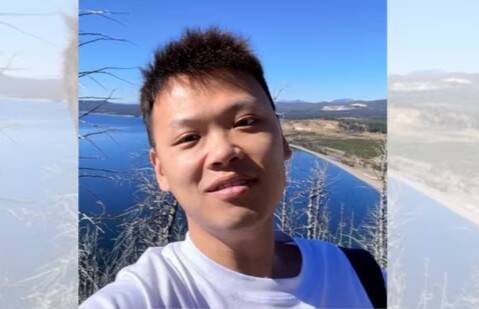
Meta Scientist Zifan Wang on ‘Genius Visa’ Denied Re-Entry into US
The United States has long been a hub for innovation and technological advancements, attracting top talent from around the world. The O-1 visa, also known as the “genius visa,” is a special category of visa reserved for individuals of “extraordinary ability” in fields such as science, technology, engineering, and mathematics (STEM). However, a recent incident has highlighted the uncertainty and unpredictability of the US immigration system, even for highly skilled individuals. Meta AI researcher Zifan Wang, who had been living in the US for seven years on an O-1 visa, was denied re-entry into the country after a visit to China.
Wang, who had been working legally in the US, took to social media to express his frustration and disappointment at being denied re-entry. His story has sparked concern among the international community, particularly among those who have been granted O-1 visas or are in the process of applying for one. The incident raises questions about the reliability of the US immigration system and its treatment of highly skilled individuals who have contributed significantly to the country’s technological advancements.
According to Wang, he had been living in the US for seven years, working for Meta, and had an O-1 visa that was valid for another three years. However, after returning from a visit to China, he was denied re-entry into the US. The reason for the denial was not immediately clear, but it is believed to be related to his travel history and the current geopolitical tensions between the US and China. Wang’s experience is not isolated, as several other individuals with O-1 visas have reported similar issues when traveling to and from the US.
The O-1 visa is a highly sought-after visa category, and the application process is rigorous and competitive. To qualify for an O-1 visa, an individual must demonstrate “extraordinary ability” in their field, which can include achievements such as awards, publications, and leadership roles. The visa is typically granted for a period of three years, with the option to extend it. However, as Wang’s experience shows, having an O-1 visa does not guarantee re-entry into the US, even if the individual has been living and working in the country for an extended period.
Wang’s decision to move to London instead of pursuing further action to regain entry into the US is telling. The UK has been actively promoting itself as a hub for tech talent, with a more streamlined visa application process and a more welcoming environment for international workers. The UK’s “global talent visa” is similar to the O-1 visa, but with a more straightforward application process and a faster processing time. Wang’s decision to relocate to London may be a sign of things to come, as other highly skilled individuals may also consider alternative destinations that offer more stability and predictability.
The incident also highlights the challenges faced by international students and workers in the US. Despite the country’s reputation as a hub for innovation and technological advancements, the immigration system can be complex and unpredictable. The current administration’s policies have created an environment of uncertainty, with many international students and workers feeling unwelcome and uncertain about their future in the US.
In recent years, the US has seen a decline in international student enrollment, particularly from China and India. The decline is attributed to a combination of factors, including the current administration’s immigration policies, the rise of alternative destinations such as Canada and the UK, and the growing perception that the US is no longer a welcoming environment for international students and workers. The incident involving Wang may further exacerbate this trend, as other highly skilled individuals may think twice before applying for an O-1 visa or pursuing a career in the US.
In conclusion, the incident involving Meta AI researcher Zifan Wang highlights the uncertainty and unpredictability of the US immigration system, even for highly skilled individuals with O-1 visas. Wang’s decision to move to London instead of pursuing further action to regain entry into the US may be a sign of things to come, as other highly skilled individuals may also consider alternative destinations that offer more stability and predictability. The US government must take steps to address the concerns of international students and workers, including streamlining the visa application process and creating a more welcoming environment for top talent from around the world.
As the US continues to compete with other countries for top talent, it is essential to recognize the value that international students and workers bring to the country. The O-1 visa category is an important tool for attracting and retaining highly skilled individuals, but it must be accompanied by a more predictable and streamlined immigration system. The incident involving Wang serves as a reminder that the US must do more to create a welcoming environment for international students and workers, or risk losing them to alternative destinations.
About the Author