Social beliefs drive rural water adoption: Study
Access to clean drinking water is a fundamental human right, yet millions of people in rural India still lack this basic necessity. The Indian government has been working tirelessly to improve water infrastructure and provide affordable solutions for water purification. However, a new study reveals that the adoption of household water purification systems in rural India depends more on social trust and collective norms than infrastructure access.
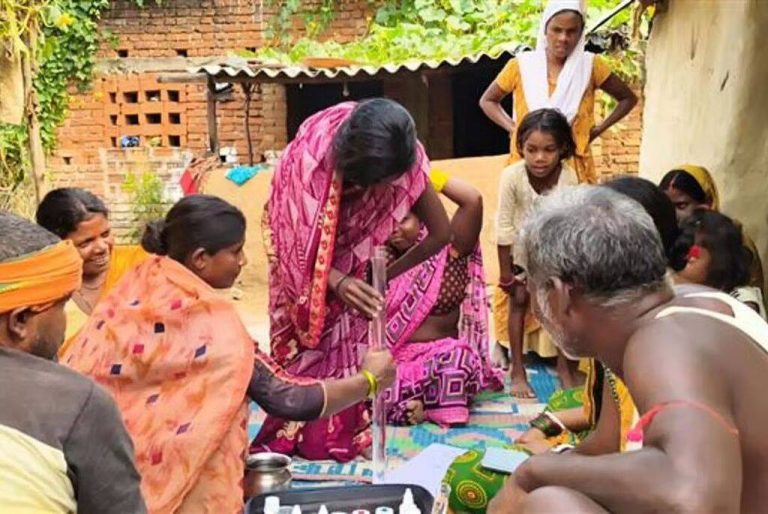
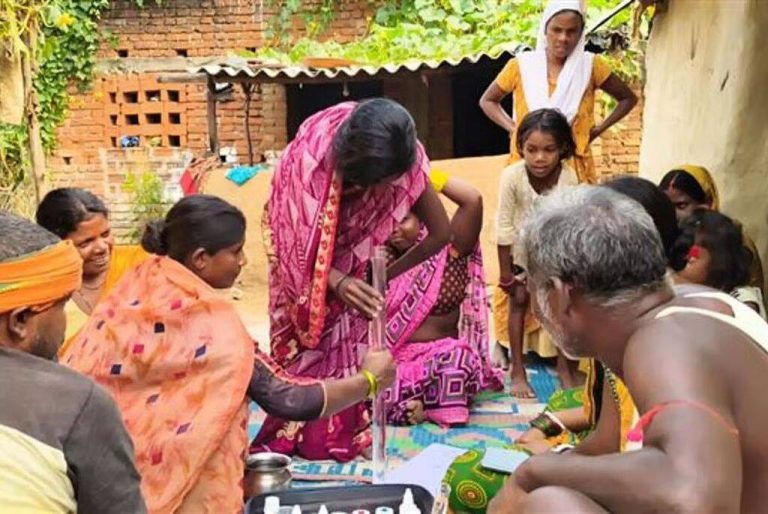
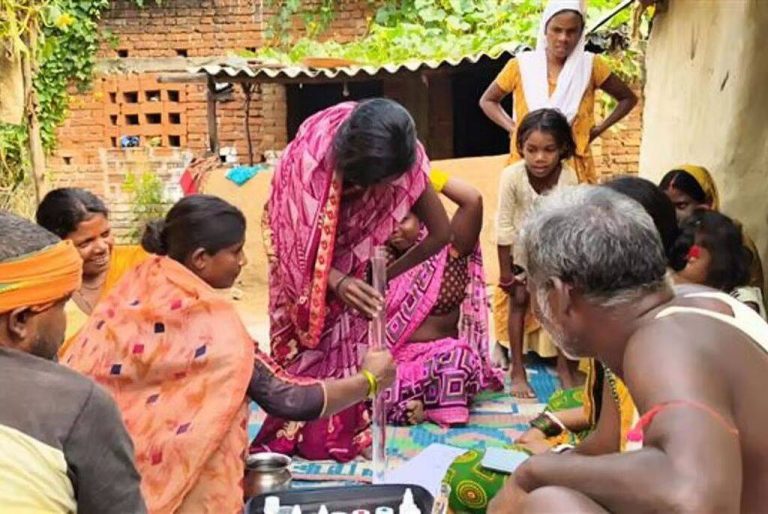
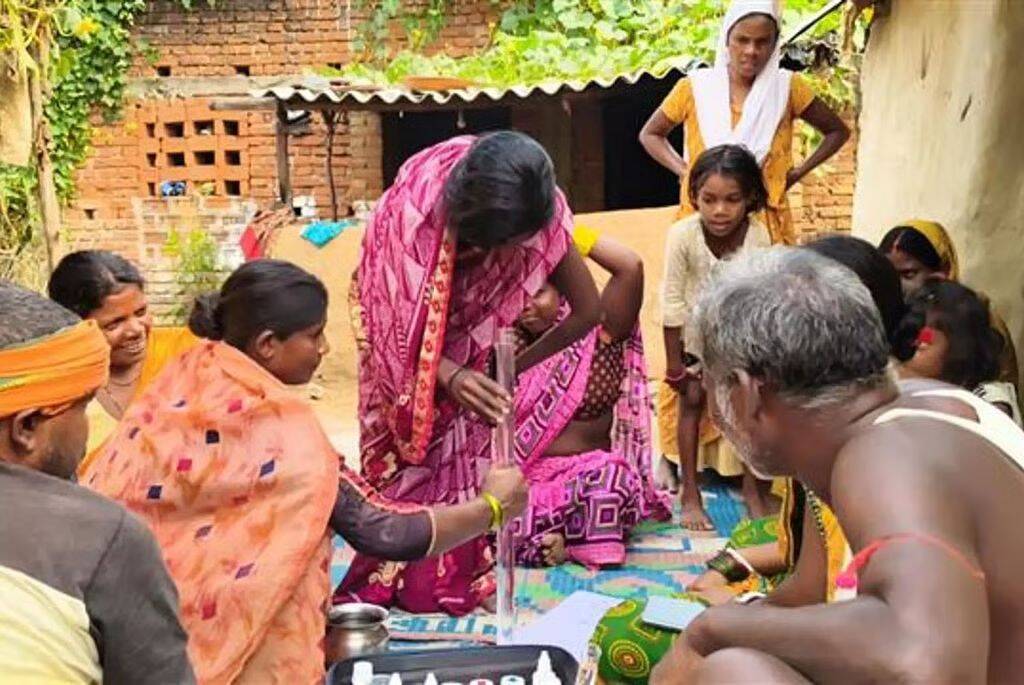
The study, which analyzed data from several rural communities in India, found that communities with stronger peer influence and shared beliefs reported higher uptake of low-cost purification methods. This suggests that water programs must align with local social dynamics to be effective. The researchers identified that social beliefs and norms play a significant role in shaping the adoption of water purification systems, and that communities with a strong sense of collective identity and trust are more likely to adopt these systems.
One of the key findings of the study was that communities with a strong sense of social cohesion and collective efficacy were more likely to adopt water purification systems. Collective efficacy refers to the shared belief that the community can work together to achieve a common goal. In this case, the goal was to provide clean drinking water for all members of the community. The study found that communities with high collective efficacy were more likely to have a higher percentage of households using water purification systems.
The study also found that social influence plays a significant role in the adoption of water purification systems. Households that had friends or family members who were already using water purification systems were more likely to adopt these systems themselves. This suggests that social networks and peer influence can be a powerful tool in promoting the adoption of water purification systems.
Another important factor that influenced the adoption of water purification systems was the level of trust in the community. Communities with high levels of trust and social capital were more likely to have a higher percentage of households using water purification systems. This suggests that building trust and social capital within communities is essential for promoting the adoption of water purification systems.
The study’s findings have significant implications for water programs in rural India. Rather than focusing solely on providing infrastructure and technology, water programs must also take into account the social dynamics of the community. This includes building trust and social capital, promoting collective efficacy, and leveraging social influence to promote the adoption of water purification systems.
One of the ways to promote the adoption of water purification systems is through community-based initiatives. Community-based initiatives that involve local leaders and community members in the planning and implementation of water programs can help build trust and social capital. These initiatives can also provide a platform for social influence and peer-to-peer learning, which can help promote the adoption of water purification systems.
Another approach is to use social norms marketing campaigns to promote the adoption of water purification systems. Social norms marketing campaigns involve using social influencers and community leaders to promote the adoption of water purification systems. These campaigns can help create a sense of social norms and collective identity around the use of water purification systems, which can help drive adoption.
In conclusion, the study’s findings highlight the importance of social beliefs and norms in driving the adoption of household water purification systems in rural India. Communities with stronger peer influence and shared beliefs reported higher uptake of low-cost purification methods. The findings suggest that water programs must align with local social dynamics to be effective. By building trust and social capital, promoting collective efficacy, and leveraging social influence, water programs can promote the adoption of water purification systems and help provide clean drinking water to millions of people in rural India.
The study’s findings are a reminder that providing access to clean drinking water is not just a technical challenge, but also a social one. By taking into account the social dynamics of the community, water programs can be more effective in promoting the adoption of water purification systems and improving the health and well-being of rural communities.
About the Author