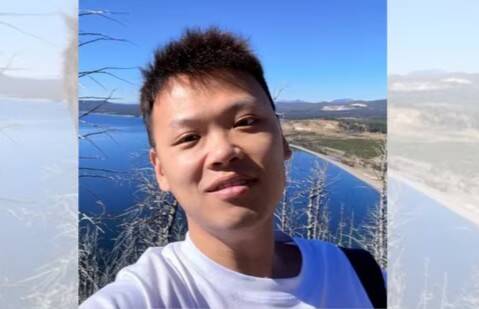
Meta Scientist Zifan Wang on ‘Genius Visa’ Denied Re-Entry into US
The United States has long been a hub for innovation and technological advancement, attracting top talent from around the world. However, a recent incident has highlighted the complexities and uncertainties of the US immigration system. Meta AI researcher Zifan Wang, who had been living in the US for seven years on an O-1 visa, was denied re-entry into the country after a visit to China. The O-1 visa, also known as the “genius visa,” is reserved for individuals of extraordinary ability in fields such as science, technology, engineering, and mathematics (STEM).
Wang, who had been working legally in the US, was shocked and frustrated by the decision. He took to social media to express his disappointment and announced that he would be moving to London instead. The incident has sparked a debate about the US immigration system and its treatment of highly skilled immigrants. Wang’s story is a prime example of the challenges faced by many foreign nationals who come to the US to work and contribute to the country’s innovation ecosystem.
The O-1 visa is a non-immigrant visa that allows individuals with extraordinary ability to work in the US for a specific period. To qualify for an O-1 visa, applicants must demonstrate that they have achieved national or international recognition in their field, have a proven track record of achievements, and are coming to the US to work in their field of expertise. The visa is highly sought after, and the application process is rigorous, with a high bar for qualification.
Wang, who had been working at Meta, one of the world’s leading technology companies, had clearly met the requirements for an O-1 visa. He had been living and working in the US for seven years, contributing to the country’s tech industry and paying taxes. However, despite his credentials and contributions, Wang was denied re-entry into the US after a visit to China. The reasons for the denial are not entirely clear, but it is believed that the decision may be related to the current geopolitical tensions between the US and China.
The incident has raised concerns about the treatment of Chinese nationals in the US, particularly those working in the tech industry. In recent years, there have been reports of increased scrutiny and delays in visa processing for Chinese nationals, particularly those working in sensitive fields such as AI and robotics. The US government has cited national security concerns as a reason for the increased scrutiny, but many argue that this approach is overly broad and unfairly targets innocent individuals.
Wang’s decision to move to London is a significant loss for the US tech industry. The UK has been actively courting top tech talent, offering a more welcoming and streamlined immigration process. The UK’s Global Talent visa, for example, offers a fast-track route to settlement for top tech entrepreneurs and innovators. The visa allows applicants to work, study, and live in the UK, with the option to settle permanently after three years.
The US, on the other hand, has been struggling to attract and retain top tech talent. The country’s immigration system is complex and often unpredictable, with long wait times and uncertain outcomes. The H-1B visa, which is commonly used by tech companies to hire foreign workers, is capped at 85,000 per year, and the application process is highly competitive. The O-1 visa, while available to individuals of extraordinary ability, is also subject to strict requirements and limited availability.
The denial of Wang’s re-entry into the US is a wake-up call for the country’s immigration system. The US needs to reconsider its approach to attracting and retaining top tech talent, particularly in fields such as AI and robotics. The country’s immigration system should be designed to facilitate the entry of highly skilled individuals, rather than creating barriers and uncertainties.
In conclusion, the denial of Zifan Wang’s re-entry into the US is a significant loss for the country’s tech industry. Wang’s decision to move to London highlights the need for the US to re-examine its immigration system and create a more welcoming environment for top tech talent. The US should prioritize the creation of a streamlined and predictable immigration process, one that allows highly skilled individuals to contribute to the country’s innovation ecosystem without unnecessary barriers and uncertainties.
About the Author