Social beliefs drive rural water adoption: Study
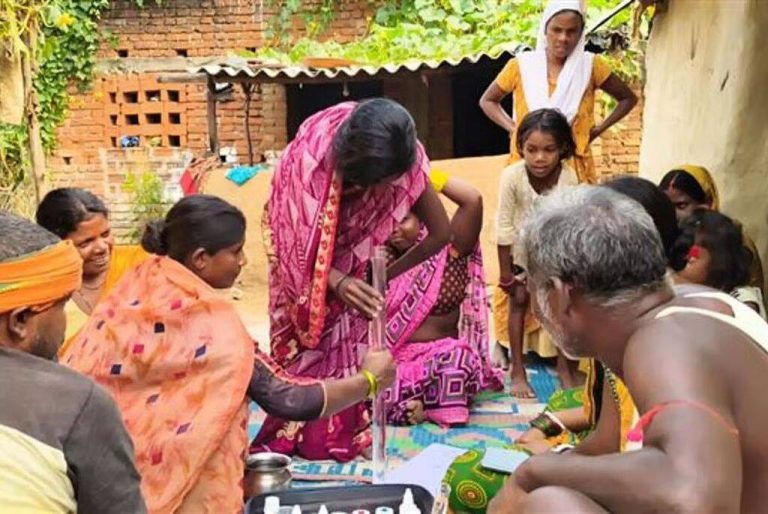
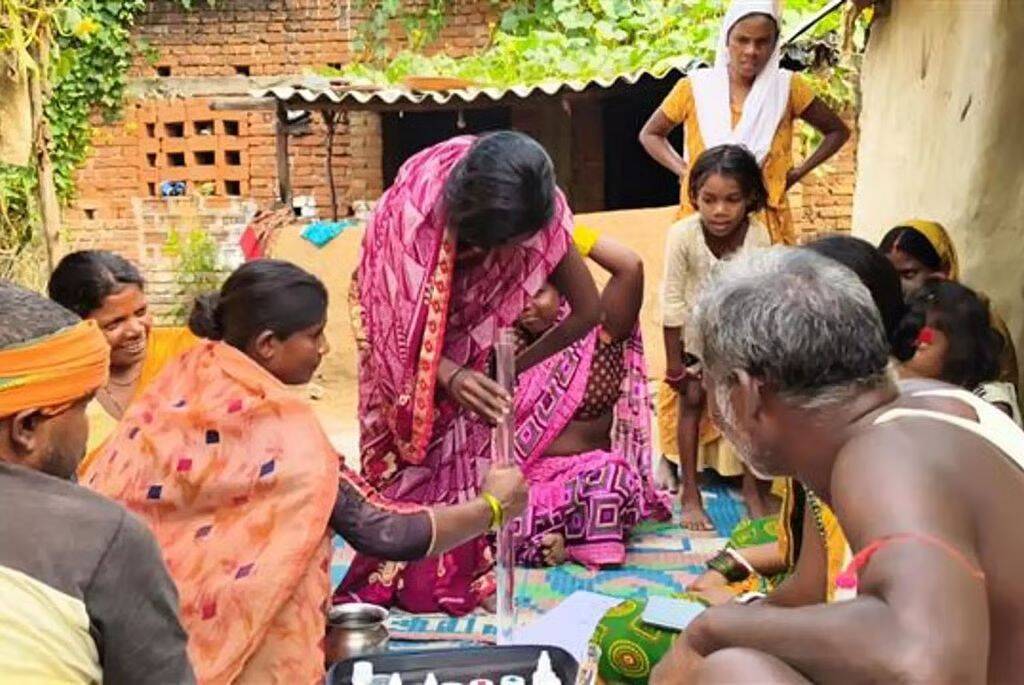
Access to clean drinking water is a fundamental human right, yet millions of people in rural India struggle to get safe and reliable water supply. The Indian government has been working to improve water infrastructure, but the adoption of household water purification systems in rural areas remains a significant challenge. A new study has shed light on the factors that influence the adoption of water purification systems in rural India, and the findings are surprising. According to the research, social beliefs and collective norms play a much more significant role in driving the adoption of household water purification systems than access to infrastructure.
The study, which was conducted in several rural villages in India, found that communities with stronger social bonds and shared beliefs reported higher uptake of low-cost water purification methods. The researchers discovered that social trust and peer influence were key factors in determining whether a household would adopt a water purification system. In other words, if a household saw their neighbors and friends using a water purification system, they were more likely to adopt one themselves.
This finding has significant implications for water programs in rural India. Traditionally, water programs have focused on building infrastructure, such as pipes and treatment plants, to provide clean water to rural communities. However, the study suggests that this approach may not be enough to ensure the adoption of household water purification systems. Instead, water programs must align with local social dynamics and take into account the social beliefs and collective norms of the community.
The study also found that communities with stronger social capital, such as those with active community groups and social networks, were more likely to adopt water purification systems. This suggests that investing in community development and social capital can have a positive impact on the adoption of water purification systems.
The importance of social beliefs in driving the adoption of water purification systems is not limited to rural India. Similar studies have been conducted in other parts of the world, with similar findings. For example, a study in Africa found that social norms and peer influence played a significant role in determining whether households adopted water purification systems.
So, what can be done to promote the adoption of household water purification systems in rural India? The study suggests that water programs should focus on building social trust and promoting collective norms around the use of water purification systems. This can be achieved through community-based initiatives, such as social marketing campaigns and community outreach programs.
Additionally, water programs should invest in community development and social capital, such as building community groups and social networks. This can help to create an environment in which households are more likely to adopt water purification systems.
The study also highlights the importance of involving local leaders and influencers in water programs. Local leaders can play a significant role in promoting the adoption of water purification systems, particularly if they are seen as trusted and respected members of the community.
In conclusion, the adoption of household water purification systems in rural India is a complex issue that depends on a range of factors, including social beliefs and collective norms. The study suggests that water programs must align with local social dynamics and take into account the social beliefs and collective norms of the community. By investing in community development and social capital, and promoting collective norms around the use of water purification systems, water programs can increase the adoption of these systems and improve access to clean drinking water in rural India.
About the Author