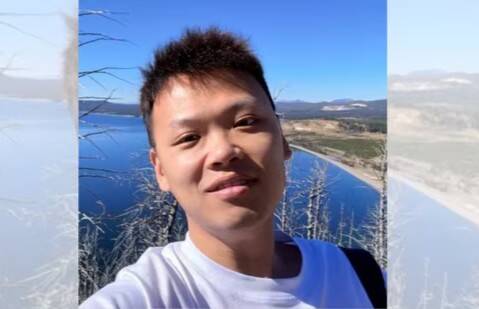
Meta Scientist Zifan Wang on ‘Genius Visa’ Denied Re-Entry into US
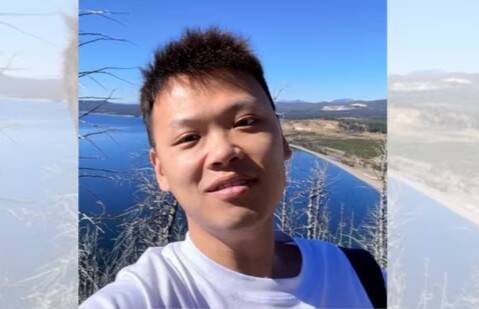
The United States has long been a hub for innovation and technological advancements, attracting top talent from around the world. However, a recent incident has highlighted the complexities and uncertainties of the US immigration system. Zifan Wang, a Meta AI researcher, was denied re-entry into the US after returning from a visit to China, despite holding an O-1 visa, also known as the “genius visa.” This visa is reserved for individuals of “extraordinary ability” in their field, and Wang had been living and working in the US for seven years.
Wang took to social media to express his frustration and disappointment at being denied re-entry. He had been working legally in the US on his O-1 visa, which is typically granted to individuals who have demonstrated exceptional skills and achievements in their field. The O-1 visa is considered one of the most prestigious and sought-after visas in the US, and it is often referred to as the “genius visa” due to the high standards required to qualify.
The incident has raised concerns about the US immigration system and its treatment of highly skilled workers. Wang’s case is not an isolated incident, and many other individuals have reported similar experiences of being denied entry or facing significant delays in their visa applications. The US has long been a destination of choice for top talent, but the current immigration system seems to be creating uncertainty and unpredictability for many.
Wang’s decision to move to London instead of pursuing further options in the US is a significant indicator of the impact of this incident. The UK has been actively promoting itself as a hub for technology and innovation, and the city of London has become a popular destination for startups and tech companies. The UK’s immigration system is often seen as more welcoming and streamlined, with a clearer path to residency and citizenship for highly skilled workers.
The loss of talent like Zifan Wang is a significant blow to the US tech industry, which has long relied on international talent to drive innovation and growth. The US has a long history of attracting top talent from around the world, but the current immigration system seems to be creating barriers and obstacles for many. The incident highlights the need for a more streamlined and efficient immigration system that can attract and retain top talent.
The O-1 visa is a non-immigrant visa that allows individuals of extraordinary ability to work in the US for a specific period. The visa is typically granted for a period of three years, with the option to extend it for an additional three years. To qualify for an O-1 visa, individuals must demonstrate extraordinary ability in their field, which can include fields such as science, technology, engineering, and mathematics (STEM).
The application process for an O-1 visa is complex and requires significant documentation, including letters of recommendation, proof of achievements, and evidence of extraordinary ability. The visa is often seen as a stepping stone to more permanent residency options, such as a green card or citizenship. However, the incident involving Zifan Wang highlights the uncertainty and unpredictability of the US immigration system, even for individuals who have been living and working in the US for many years.
The incident has also raised concerns about the treatment of Chinese nationals in the US. Wang’s denial of re-entry has been linked to his Chinese nationality, with some speculation that the US is becoming increasingly wary of Chinese nationals due to concerns about intellectual property theft and national security. The US has been tightening its restrictions on Chinese nationals in recent years, with increased scrutiny of visa applications and a growing number of denials.
The impact of this incident on the US tech industry cannot be overstated. The loss of talent like Zifan Wang is a significant blow, and it highlights the need for a more streamlined and efficient immigration system. The US has long relied on international talent to drive innovation and growth, and the current system seems to be creating barriers and obstacles for many. The incident is a wake-up call for the US government to reform its immigration system and create a more welcoming environment for highly skilled workers.
In conclusion, the incident involving Zifan Wang highlights the complexities and uncertainties of the US immigration system. The denial of re-entry for a highly skilled worker like Wang is a significant blow to the US tech industry, and it highlights the need for a more streamlined and efficient immigration system. The UK’s more welcoming immigration system has created an opportunity for Wang to relocate to London, and it is likely that other highly skilled workers will follow suit. The US government must take steps to reform its immigration system and create a more welcoming environment for international talent.
About the Author