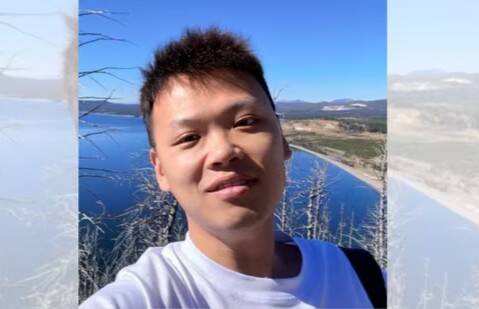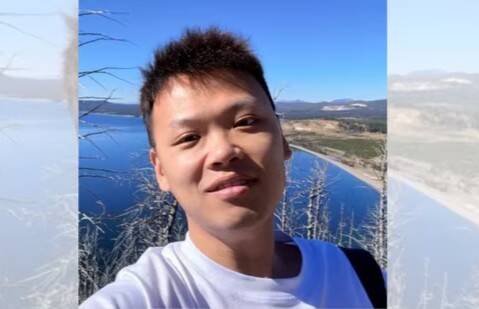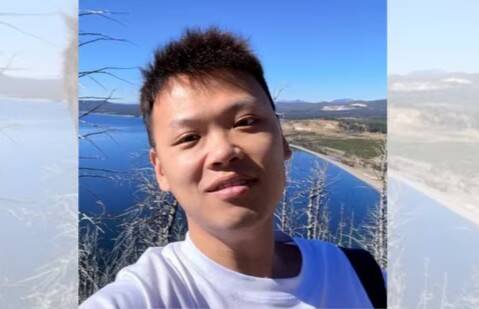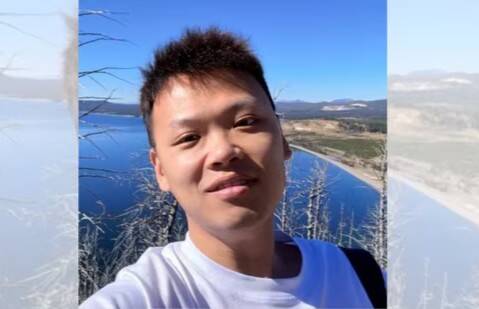
Meta Scientist Zifan Wang on ‘Genius Visa’ Denied Re-Entry into US
The United States has long been a hub for innovation and technological advancements, attracting top talent from around the world. However, a recent incident has highlighted the challenges faced by foreign nationals, even those with exceptional abilities, in navigating the complex US immigration system. Meta AI researcher Zifan Wang, who had been living in the US for seven years on an O-1 visa, was denied re-entry into the country after a visit to China. The news has sparked widespread concern and debate about the treatment of highly skilled immigrants in the US.
Wang, who has been working at Meta, the parent company of Facebook and Instagram, took to social media to express his frustration and disappointment at being denied re-entry into the US. His O-1 visa, also known as the “genius visa,” is reserved for individuals with extraordinary abilities in fields such as science, technology, engineering, and mathematics (STEM). Despite meeting the stringent requirements for this visa category, Wang was unable to re-enter the US, leaving him feeling shocked and disillusioned.
The O-1 visa is designed to attract and retain top talent in the US, allowing individuals with exceptional abilities to work in the country for up to three years. To qualify for this visa, applicants must demonstrate extraordinary ability in their field, which can be evidenced by awards, publications, and other achievements. Wang, as a Meta AI researcher, had clearly met these requirements, having worked in the US for seven years on a valid O-1 visa.
The denial of Wang’s re-entry into the US has raised questions about the consistency and fairness of the US immigration system. If a highly skilled individual like Wang, who has been working in the US on a valid visa, can be denied re-entry, it sends a worrying signal to other foreign nationals who may be considering moving to the US. The incident has sparked concerns about the treatment of international talent in the US, with many arguing that the country’s immigration system is in dire need of reform.
Wang’s experience is not an isolated incident. Many foreign nationals have faced similar challenges in navigating the US immigration system, with some being denied entry or facing lengthy delays in their visa applications. The US has long been a magnet for top talent, but the current immigration system can be complex and unpredictable, making it difficult for foreign nationals to plan their careers and lives.
In response to his denial of re-entry, Wang announced that he would be moving to London instead. The UK has been actively courting international talent, with a more streamlined and welcoming immigration system. Wang’s decision to relocate to London is a significant loss for the US, as it not only deprives the country of his expertise but also sends a negative signal to other foreign nationals who may be considering moving to the US.
The incident has also sparked a debate about the impact of US immigration policies on the country’s competitiveness in the global tech industry. The US has long been a leader in technological innovation, but the current immigration system can make it difficult for companies to attract and retain top talent. As other countries, such as the UK, Canada, and Australia, become more welcoming to international talent, the US risks losing its competitive edge in the global tech industry.
In conclusion, the denial of Zifan Wang’s re-entry into the US is a concerning incident that highlights the challenges faced by foreign nationals in navigating the US immigration system. The US needs to reform its immigration system to make it more welcoming and predictable for international talent. By doing so, the country can ensure that it remains a hub for innovation and technological advancements, attracting the best and brightest from around the world.
As the US continues to grapple with the complexities of its immigration system, it is essential to recognize the value that foreign nationals bring to the country. Individuals like Wang, who have made significant contributions to the US tech industry, deserve to be treated with fairness and respect. The US must strive to create a more welcoming and inclusive environment for international talent, or risk losing its competitive edge in the global tech industry.
About the Author