Social Beliefs Drive Rural Water Adoption: Study
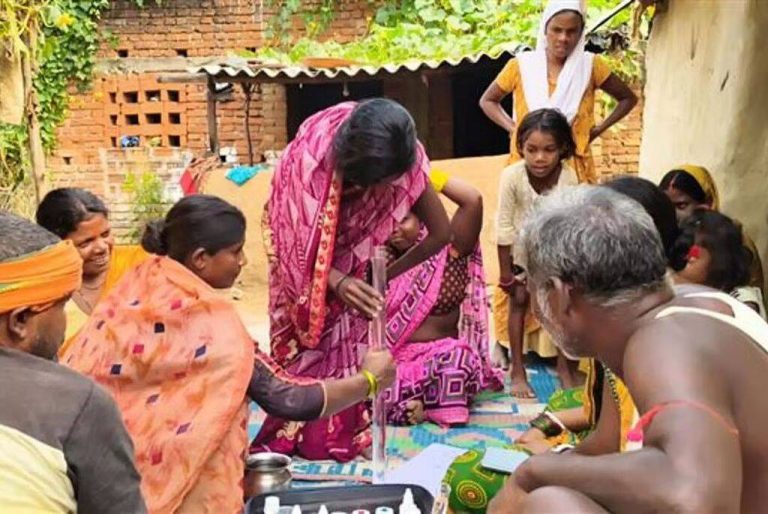
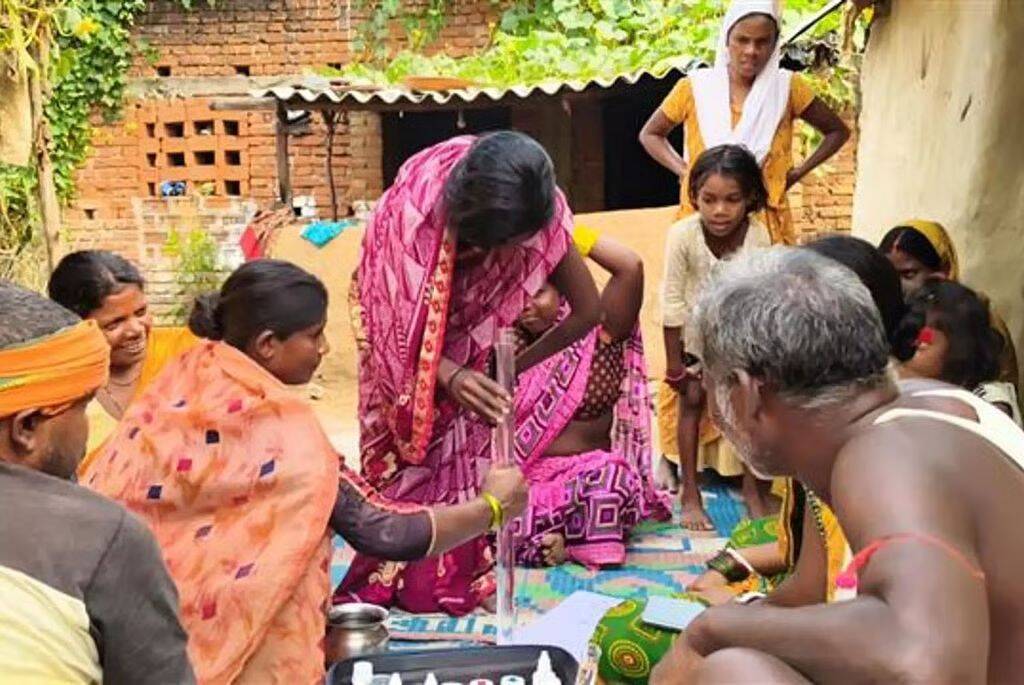
Access to clean drinking water is a fundamental human right, yet millions of people in rural India continue to struggle with limited access to safe and reliable water sources. While efforts to improve water infrastructure have been underway for decades, a new study suggests that the adoption of household water purification systems in rural India depends more on social trust and collective norms than infrastructure access. The findings have significant implications for water programs and policies, highlighting the need to align with local social dynamics to achieve greater success.
The study, which surveyed communities in rural India, found that communities with stronger peer influence and shared beliefs reported higher uptake of low-cost purification methods. This suggests that social beliefs and norms play a crucial role in driving the adoption of water purification systems, even in the presence of limited infrastructure. The researchers noted that when community members trust and believe in the effectiveness of a particular water purification method, they are more likely to adopt it, regardless of the availability of alternative options.
One of the key factors driving the adoption of water purification systems is social trust. When community members trust each other and the information they share, they are more likely to adopt new technologies and practices. This trust is often built through social interactions and relationships, such as friendships, family ties, and community networks. In rural India, where social connections are often strong and closely knit, social trust can play a significant role in shaping behavior and decision-making.
Another important factor is collective norms. When a community shares a common understanding and acceptance of a particular practice or technology, it becomes a social norm. In the case of water purification, if a community believes that using a particular method is the right thing to do, they are more likely to adopt it. This collective norm can be influenced by various factors, including cultural and religious beliefs, social status, and economic conditions.
The study also highlighted the importance of peer influence in driving the adoption of water purification systems. When community members see their peers using a particular method, they are more likely to adopt it themselves. This peer influence can be especially powerful in rural India, where social connections are often strong and community members look to each other for guidance and support.
The findings of the study have significant implications for water programs and policies in rural India. Rather than focusing solely on improving infrastructure, programs should also aim to build social trust and collective norms around water purification. This can be achieved through community-based initiatives, such as awareness campaigns, training programs, and social marketing efforts.
Moreover, water programs should be designed to align with local social dynamics, taking into account the unique cultural, social, and economic contexts of each community. This may involve partnering with local leaders and organizations, using local languages and communication channels, and incorporating traditional practices and beliefs into program design.
In addition, the study highlights the need for more research on the social and cultural factors driving water adoption in rural India. By better understanding these factors, policymakers and practitioners can develop more effective and sustainable solutions to improve access to clean drinking water.
In conclusion, the adoption of household water purification systems in rural India is driven more by social trust and collective norms than infrastructure access. Communities with stronger peer influence and shared beliefs reported higher uptake of low-cost purification methods. The findings suggest that water programs must align with local social dynamics, taking into account the unique cultural, social, and economic contexts of each community. By building social trust, collective norms, and peer influence, water programs can achieve greater success and improve access to clean drinking water for millions of people in rural India.
Read the full story at: https://www.indiawaterportal.org/drinking-water/how-culture-shapes-rural-indias-use-of-community-water-purification-systems
About the Author