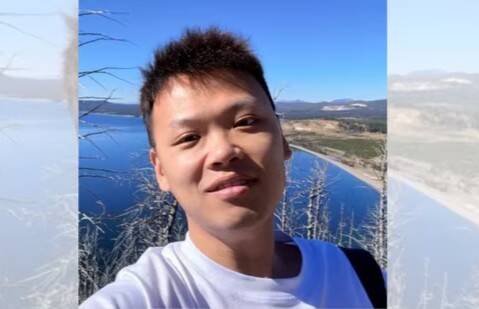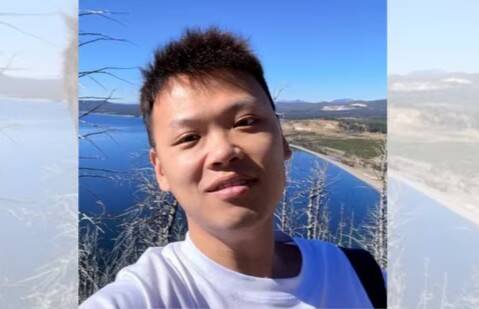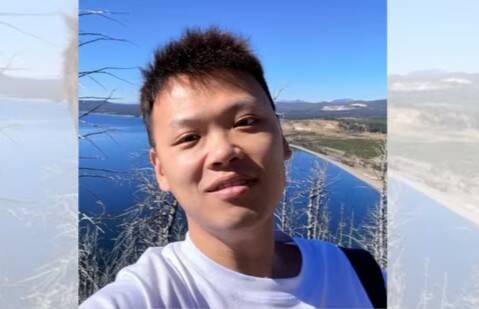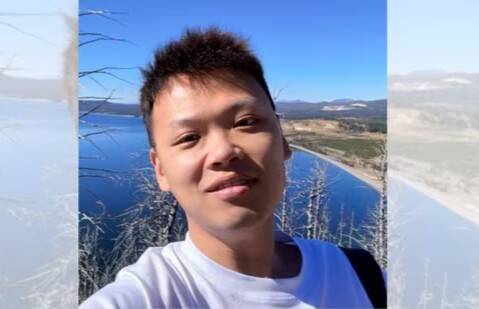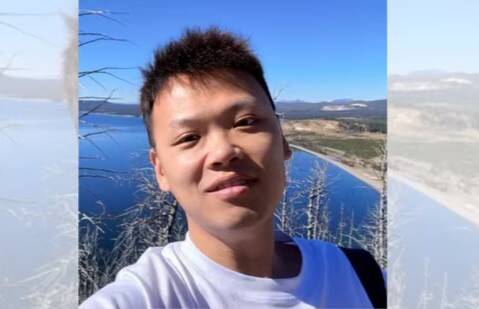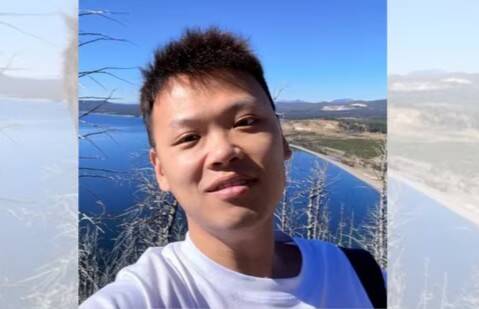
Meta Scientist Zifan Wang on ‘Genius Visa’ Denied Re-Entry into US
The United States has long been a hub for innovation and technological advancement, attracting top talent from around the world. However, a recent incident has highlighted the challenges faced by foreign nationals, even those with exceptional abilities, in navigating the complex US immigration system. Zifan Wang, a Meta AI researcher, was denied re-entry into the US after a visit to China, despite holding an O-1 visa, also known as the “genius visa.” This visa is reserved for individuals with extraordinary abilities in fields such as science, technology, engineering, and mathematics (STEM).
Wang, who had been living in the US for seven years and working legally on his O-1 visa, took to social media to express his frustration and disappointment at being denied re-entry into the country. His situation has sparked a debate about the US immigration system and its treatment of highly skilled foreign nationals. The incident has also raised concerns about the potential brain drain that the US may face if it fails to attract and retain top talent from around the world.
The O-1 visa is a non-immigrant visa that allows individuals with extraordinary abilities to work in the US for a specific period. To qualify for an O-1 visa, applicants must demonstrate that they have achieved national or international recognition in their field, and that their work will substantially benefit the US. Wang, as a Meta AI researcher, had clearly met these criteria, having worked in the US for seven years and making significant contributions to the field of artificial intelligence.
Despite his credentials, Wang was denied re-entry into the US after a visit to China. The reasons for the denial are not entirely clear, but it is likely that the US immigration authorities had concerns about Wang’s travel history or his intentions for returning to the US. The O-1 visa requires that the holder maintain a residence abroad and that they do not intend to abandon their foreign residence. However, Wang had been living in the US for seven years, and it is unlikely that he intended to abandon his residence in the US.
Wang’s situation highlights the challenges faced by foreign nationals, even those with exceptional abilities, in navigating the complex US immigration system. The O-1 visa is a non-immigrant visa, which means that it does not provide a direct path to permanent residency or citizenship. Holders of O-1 visas must renew their visas periodically, and they must demonstrate that they continue to meet the eligibility criteria for the visa. This can create uncertainty and insecurity for foreign nationals who have made significant contributions to the US economy and society.
In response to his denial of re-entry, Wang announced that he would be moving to London instead. This decision is likely to be a significant loss for the US, as Wang is a highly skilled researcher who has made significant contributions to the field of artificial intelligence. The UK, on the other hand, is likely to benefit from Wang’s expertise, as it continues to attract top talent from around the world.
The incident has sparked a debate about the US immigration system and its treatment of highly skilled foreign nationals. Some have argued that the US immigration system is too restrictive and that it fails to attract and retain top talent from around the world. Others have argued that the US should prioritize the hiring of American workers over foreign nationals. However, the reality is that the US economy and society benefit significantly from the contributions of foreign nationals, particularly those with exceptional abilities.
In conclusion, the denial of re-entry to the US for Meta scientist Zifan Wang highlights the challenges faced by foreign nationals, even those with exceptional abilities, in navigating the complex US immigration system. The incident has sparked a debate about the US immigration system and its treatment of highly skilled foreign nationals. As the US continues to compete with other countries for top talent, it is essential that it creates an immigration system that is fair, efficient, and welcoming to individuals with extraordinary abilities.
The US should prioritize the hiring of highly skilled foreign nationals, as they bring significant benefits to the US economy and society. The O-1 visa is an important tool for attracting and retaining top talent, but it is essential that the US immigration authorities process applications efficiently and fairly. The denial of re-entry to the US for Wang is a significant loss, but it also highlights the need for the US to create an immigration system that is competitive and attractive to highly skilled foreign nationals.
As the US continues to navigate the complexities of immigration policy, it is essential that it prioritizes the hiring of highly skilled foreign nationals. The US should create an immigration system that is fair, efficient, and welcoming to individuals with extraordinary abilities. This will require significant reforms to the current system, including the creation of a more efficient and streamlined process for processing visa applications. It will also require a shift in the cultural narrative around immigration, recognizing the significant contributions that foreign nationals make to the US economy and society.
In the end, the denial of re-entry to the US for Meta scientist Zifan Wang is a significant loss, but it also highlights the need for the US to create an immigration system that is competitive and attractive to highly skilled foreign nationals. As the US continues to compete with other countries for top talent, it is essential that it prioritizes the hiring of highly skilled foreign nationals and creates an immigration system that is fair, efficient, and welcoming to individuals with extraordinary abilities.
About the Author