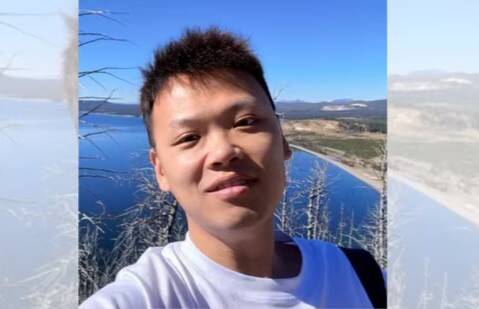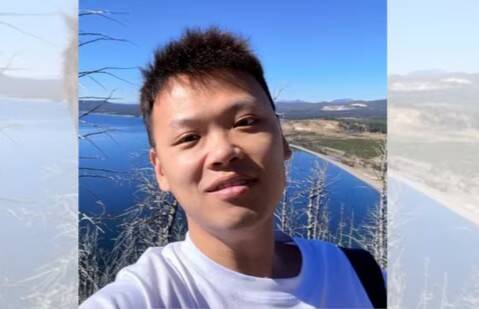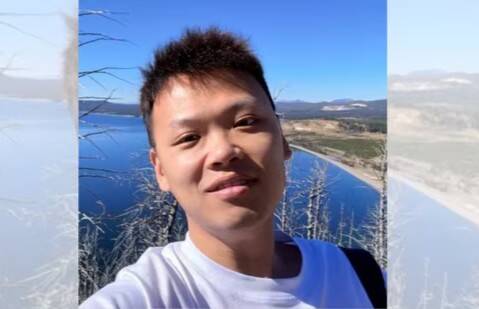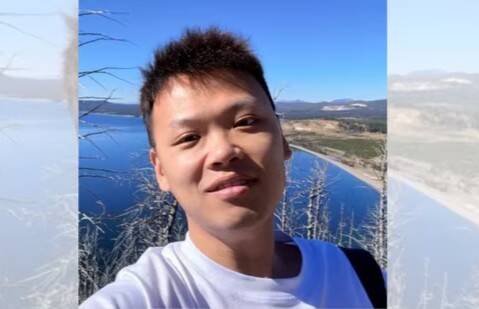
Meta Scientist Zifan Wang on ‘Genius Visa’ Denied Re-Entry into US
The United States has long been a hub for innovation and technological advancement, attracting top talent from around the world. However, a recent incident has raised concerns about the country’s immigration policies and their impact on the tech industry. Zifan Wang, a Meta AI researcher, was denied re-entry into the US after returning from a visit to China, despite holding a valid O-1 visa. The O-1 visa, also known as the “genius visa,” is reserved for individuals of “extraordinary ability” in their field, and Wang had been living and working in the US for seven years on this visa.
Wang took to social media to express his frustration and disappointment at being denied re-entry into the country. He had been traveling to China to visit his family and was expecting to return to his job at Meta, where he had been working on various AI projects. However, upon arrival at the US border, he was informed that his visa had been revoked, and he would not be allowed to re-enter the country.
The reasons behind Wang’s visa revocation are not entirely clear, but it is believed that his travel to China may have raised some concerns among US immigration authorities. The US has been increasingly scrutinizing travelers from China, particularly those working in the tech industry, due to concerns about intellectual property theft and national security.
Wang’s situation highlights the challenges faced by international talent in the US tech industry. Many top researchers and engineers come to the US on visas, such as the O-1 or H-1B, to work for top tech companies like Meta, Google, or Microsoft. However, these visas can be revoked at any time, leaving individuals like Wang in a state of uncertainty and insecurity.
The O-1 visa, in particular, is designed for individuals who have demonstrated extraordinary ability in their field, such as science, technology, engineering, and mathematics (STEM). To qualify for an O-1 visa, an individual must have achieved significant recognition and accolades in their field, such as awards, publications, or patents. Wang, as a Meta AI researcher, had clearly met these criteria, having worked on various high-profile AI projects and published research papers in top-tier conferences.
The denial of Wang’s re-entry into the US has significant implications for the tech industry. The US has long been a leader in innovation and technological advancement, but its immigration policies may be driving top talent away. Wang has announced that he will be moving to London instead, where he will continue to work on AI research. This decision may be a harbinger of things to come, as other international talent may also choose to leave the US due to its increasingly restrictive immigration policies.
The loss of top talent like Wang can have significant consequences for the US tech industry. AI research, in particular, is a highly competitive field, and the US has been at the forefront of innovation in this area. However, with researchers like Wang leaving the country, the US may struggle to maintain its lead in AI research and development.
Moreover, the denial of Wang’s re-entry into the US also raises concerns about the country’s ability to attract and retain top talent. The O-1 visa is designed to attract individuals of extraordinary ability, but if these individuals are not guaranteed re-entry into the country, they may be deterred from coming to the US in the first place. This could have significant long-term consequences for the US tech industry, as it may struggle to attract the best and brightest minds from around the world.
In conclusion, the denial of Zifan Wang’s re-entry into the US is a concerning incident that highlights the challenges faced by international talent in the US tech industry. The O-1 visa, designed for individuals of extraordinary ability, is not a guarantee of re-entry into the country, and individuals like Wang may be left in a state of uncertainty and insecurity. As the US tech industry continues to evolve and grow, it is essential that the country’s immigration policies are revised to attract and retain top talent from around the world.
About the Author