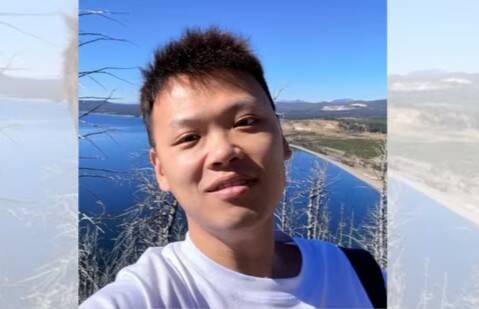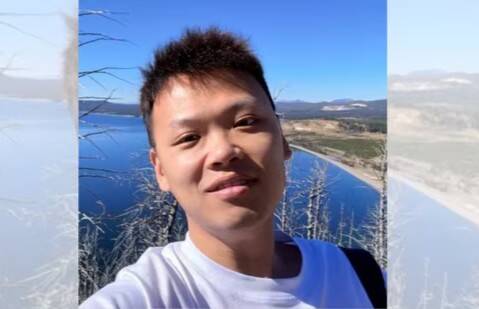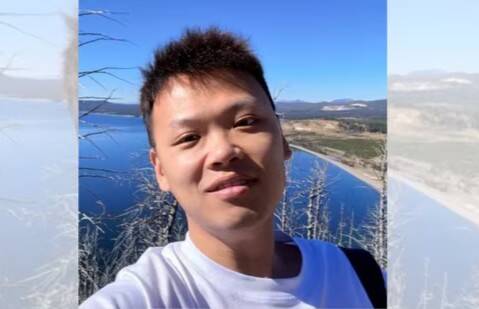
Meta Scientist Zifan Wang on ‘Genius Visa’ Denied Re-Entry into US
The United States has long been a hub for technological innovation and advancement, attracting top talent from around the world. However, a recent incident has raised concerns about the country’s immigration policies and their impact on the tech industry. Zifan Wang, a researcher at Meta AI, was denied re-entry into the US after a visit to China, despite holding a valid O-1 visa. The O-1 visa, also known as the “genius visa,” is reserved for individuals with extraordinary abilities in fields such as science, technology, engineering, and mathematics (STEM).
Wang, who had been living in the US for seven years and working legally on an O-1 visa, took to social media to express his frustration and disappointment at being denied re-entry into the country. His situation has sparked a debate about the complexities and challenges of the US immigration system, particularly for highly skilled workers. The incident has also highlighted the brain drain that the US may face if it fails to provide a welcoming environment for top talent.
Wang’s experience is not an isolated incident. Many individuals with extraordinary abilities have faced similar challenges when trying to enter or re-enter the US. The O-1 visa is a non-immigrant visa that allows individuals with exceptional skills to work in the US for a temporary period. However, the application process can be lengthy and complex, and approval is not guaranteed. Even with a valid O-1 visa, individuals may still face difficulties when trying to re-enter the US, as Wang’s case demonstrates.
The denial of re-entry for someone like Wang, who has made significant contributions to the field of AI research, raises questions about the criteria used to evaluate individuals with extraordinary abilities. The O-1 visa requires applicants to demonstrate extraordinary ability in their field, which can be evidenced through awards, publications, and other achievements. Wang’s work at Meta AI and his contributions to the field of AI research would likely be considered exceptional, making his denial of re-entry all the more puzzling.
The impact of Wang’s denial of re-entry extends beyond his individual circumstances. The incident may have broader implications for the US tech industry, which relies heavily on international talent. The US has long been a leader in technological innovation, but its position may be threatened if it fails to provide a welcoming environment for top talent. Other countries, such as the UK, Canada, and Australia, are actively courting highly skilled workers, offering more streamlined and efficient immigration processes.
In response to his denial of re-entry, Wang announced that he would be moving to London instead. This decision is not surprising, given the UK’s more favorable immigration policies for highly skilled workers. The UK’s Global Talent visa, for example, offers a more straightforward and efficient application process for individuals with exceptional skills. Wang’s decision to relocate to London may be a loss for the US tech industry, but it highlights the global competition for talent and the need for the US to reform its immigration policies.
The US government has been under pressure to reform its immigration policies, particularly with regards to highly skilled workers. The current system can be complex and bureaucratic, leading to delays and uncertainty for applicants. The pandemic has also exacerbated the challenges faced by international students and workers, with many facing difficulties when trying to enter or re-enter the US.
In conclusion, the denial of re-entry for Meta AI researcher Zifan Wang highlights the complexities and challenges of the US immigration system, particularly for highly skilled workers. Wang’s experience is a reminder that the US is not the only destination for top talent and that other countries are actively courting international workers. The US must reform its immigration policies to provide a more welcoming environment for individuals with extraordinary abilities, or risk losing them to other countries.
As the US continues to navigate the complexities of its immigration system, it is essential to consider the long-term implications of its policies on the tech industry and the country’s position as a leader in technological innovation. The loss of top talent, such as Wang, may have far-reaching consequences for the US economy and its ability to compete globally.
For now, Wang will be relocating to London, where he will continue his work in AI research. His decision may be a loss for the US, but it serves as a reminder of the need for the US to re-examine its immigration policies and provide a more favorable environment for highly skilled workers.
About the Author