Social beliefs drive rural water adoption: Study
Access to clean drinking water is a fundamental human right, yet millions of people in rural India struggle to get access to safe and reliable water sources. The Indian government has been working tirelessly to improve the country’s water infrastructure, but the adoption of household water purification systems in rural areas remains a significant challenge. A new study has shed light on the factors that influence the adoption of these systems, and the findings are surprising. It turns out that social beliefs and collective norms play a much more significant role in determining the uptake of low-cost purification methods than access to infrastructure.
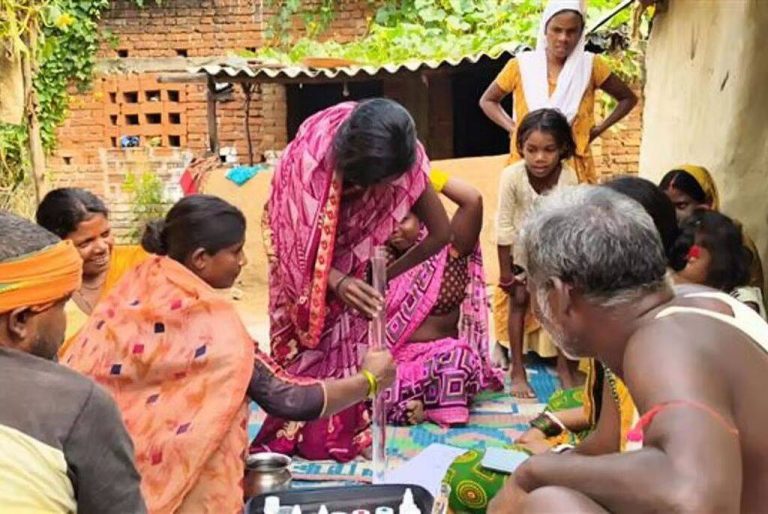
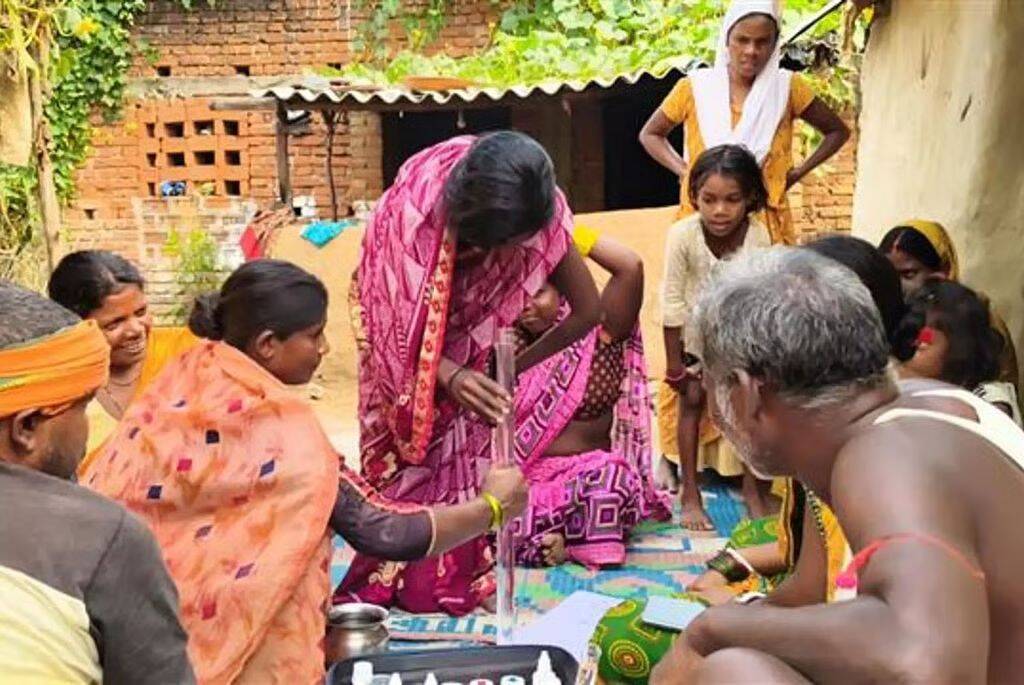
The study, which was conducted in rural India, found that communities with stronger peer influence and shared beliefs reported higher adoption rates of household water purification systems. This suggests that water programs must align with local social dynamics if they are to be successful. The researchers surveyed households in several rural villages and collected data on their water usage habits, socioeconomic status, and social networks. They also conducted interviews with community leaders and observed community meetings to gain a deeper understanding of the social context.
The study’s findings indicate that social trust and collective norms are the primary drivers of adoption, rather than access to infrastructure. Households that were part of a close-knit community with strong social bonds were more likely to adopt water purification systems, even if they had to pay a premium for them. On the other hand, households that were isolated or had weaker social connections were less likely to adopt these systems, even if they had access to affordable and reliable infrastructure.
One of the key factors that influenced adoption was the presence of a social leader or influencer in the community. Households that had a respected community leader who endorsed the use of water purification systems were more likely to adopt them. This suggests that water programs should focus on building partnerships with local leaders and influencers to promote the adoption of these systems.
Another important factor was the level of social cohesion in the community. Households that lived in communities with high levels of social cohesion, where neighbors knew and trusted each other, were more likely to adopt water purification systems. This highlights the importance of community-based initiatives that promote social cohesion and collective action.
The study’s findings have significant implications for water programs in rural India. Rather than focusing solely on building infrastructure, programs should prioritize building social capital and promoting collective norms that support the adoption of water purification systems. This could involve working with local leaders and influencers to promote the benefits of these systems, as well as supporting community-based initiatives that promote social cohesion and collective action.
Furthermore, the study suggests that water programs should be tailored to the specific social context of each community. A one-size-fits-all approach is unlikely to be effective, as different communities have different social dynamics and cultural norms. By taking a more nuanced and community-based approach, water programs can increase the adoption of household water purification systems and improve access to safe and reliable drinking water.
In conclusion, the adoption of household water purification systems in rural India is driven by social beliefs and collective norms, rather than access to infrastructure. Communities with stronger peer influence and shared beliefs are more likely to adopt these systems, and social leaders and influencers play a critical role in promoting their adoption. Water programs must align with local social dynamics and prioritize building social capital and promoting collective norms that support the adoption of these systems.
The study’s findings highlight the importance of considering the social context in which water programs are implemented. By taking a more nuanced and community-based approach, we can increase the adoption of household water purification systems and improve access to safe and reliable drinking water in rural India.
Read the full study at: https://www.indiawaterportal.org/drinking-water/how-culture-shapes-rural-indias-use-of-community-water-purification-systems
About the Author