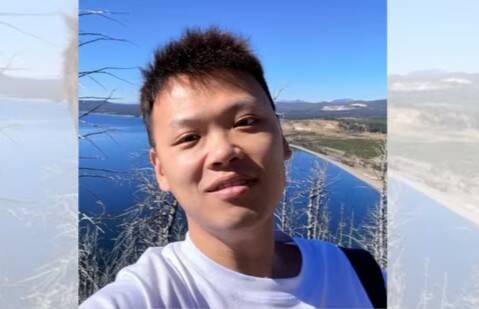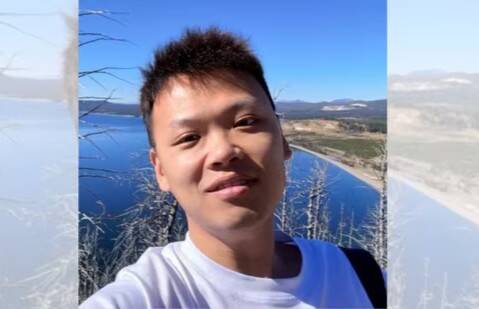
Meta Scientist Zifan Wang on ‘Genius Visa’ Denied Re-Entry into US
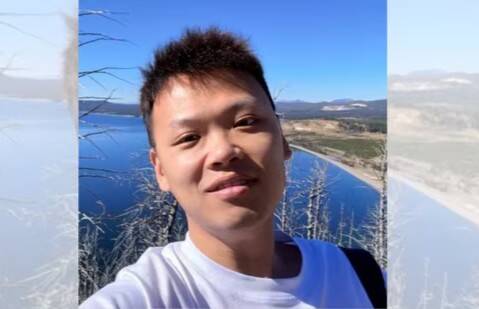
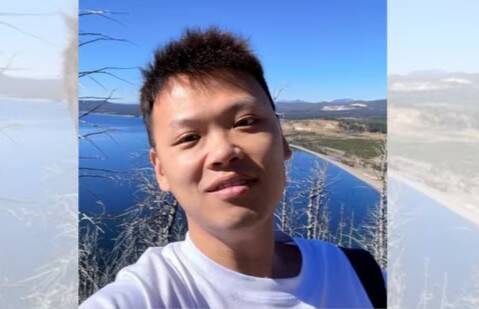
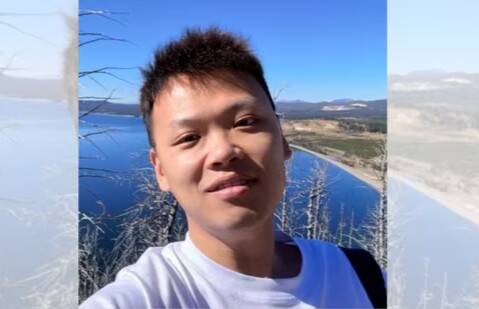
The United States has long been a hub for innovation and technological advancement, attracting top talent from around the world. However, a recent incident has highlighted the complexities and challenges faced by foreign nationals working in the US, even those with exceptional abilities. Zifan Wang, a Meta AI researcher, was denied re-entry into the US after a visit to China, despite holding an O-1 visa, commonly referred to as the “genius visa.” This visa is reserved for individuals with extraordinary abilities in fields such as science, technology, engineering, and mathematics (STEM).
Wang, who had been living in the US for seven years and working legally on his O-1 visa, took to social media to express his frustration and disappointment. His story has sparked a wider conversation about the US immigration system and its treatment of highly skilled foreign workers. In this blog post, we will delve into the details of Wang’s situation, the implications of his denial, and the broader context of US immigration policies.
The O-1 Visa: A Brief Overview
The O-1 visa is a non-immigrant visa that allows individuals with extraordinary abilities to work in the US for a specific period. To qualify for an O-1 visa, applicants must demonstrate that they have achieved national or international recognition in their field, with a record of extraordinary achievement. This can include awards, publications, and membership in prestigious organizations. The visa is typically granted for a period of three years, with the possibility of extension.
Zifan Wang’s Story
Wang, a Meta AI researcher, had been working in the US for seven years on his O-1 visa. He had established a successful career, contributing to the development of AI technologies and publishing research papers in top-tier conferences. However, when he returned to the US after a visit to China, he was denied re-entry. The reason for the denial is not entirely clear, but it is believed to be related to his travel history and the current geopolitical tensions between the US and China.
Wang’s denial has sparked concerns about the treatment of foreign nationals, particularly those from China, by US immigration authorities. The incident has also raised questions about the unpredictability of the US immigration system and the potential consequences for individuals and businesses that rely on foreign talent.
Implications of the Denial
The denial of Wang’s re-entry has significant implications for his career and personal life. As a Meta AI researcher, Wang’s work is critical to the development of AI technologies, and his absence could impact the company’s research and development efforts. Moreover, the denial has forced Wang to reconsider his future in the US and explore alternative options.
In a statement on social media, Wang announced that he would be moving to London instead, citing the uncertainty and unpredictability of the US immigration system. This decision is likely to have far-reaching consequences, not only for Wang but also for the US tech industry as a whole. The loss of top talent like Wang could undermine the competitiveness of US tech companies and hinder innovation in critical areas like AI research.
Broader Context: US Immigration Policies
Wang’s situation is not an isolated incident. The US immigration system has faced criticism for its complexity, unpredictability, and biases. The current administration’s policies have introduced new challenges for foreign nationals, particularly those from certain countries. The travel ban, introduced in 2017, has restricted travel to the US from several countries, including China.
Moreover, the US immigration system’s emphasis on national security and border control has led to increased scrutiny of foreign nationals, including those with valid visas. The consequences of these policies are far-reaching, affecting not only individuals but also businesses, universities, and research institutions that rely on foreign talent.
Conclusion
The denial of Zifan Wang’s re-entry into the US highlights the complexities and challenges faced by foreign nationals working in the US, even those with exceptional abilities. The incident has sparked a wider conversation about the US immigration system and its treatment of highly skilled foreign workers. As the US tech industry continues to rely on foreign talent to drive innovation and growth, it is essential to address the underlying issues and create a more predictable and welcoming environment for international workers.
The news of Wang’s denial and subsequent decision to move to London serves as a reminder of the global competition for talent and the need for the US to remain competitive in attracting and retaining top talent. As the US immigration system continues to evolve, it is crucial to strike a balance between national security concerns and the need to attract and retain foreign talent.
About the Author