Social beliefs drive rural water adoption: Study
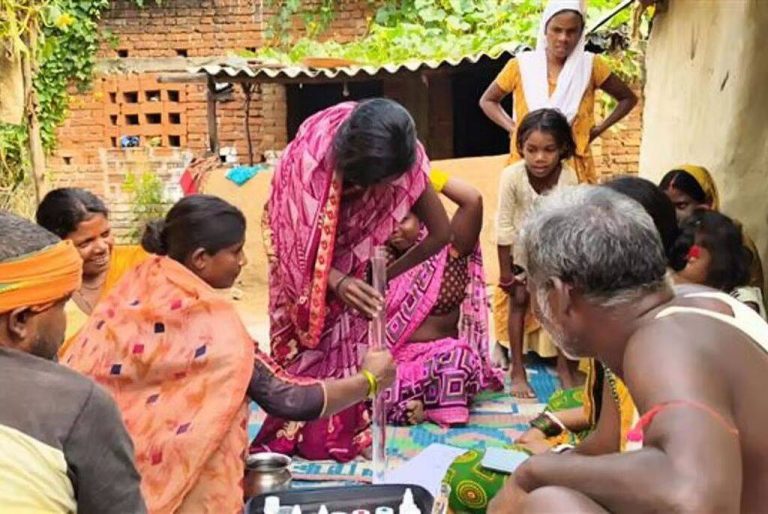
Access to clean drinking water is a fundamental human right, yet millions of people in rural India still lack access to safe and reliable water sources. The Indian government has implemented various initiatives to improve water infrastructure, but the adoption of household water purification systems remains a significant challenge. A new study has shed light on the factors that influence the adoption of these systems in rural India, and the findings are surprising. It appears that social beliefs and collective norms play a much more significant role in driving adoption than access to infrastructure.
The study, which focused on rural communities in India, found that communities with stronger peer influence and shared beliefs reported higher uptake of low-cost purification methods. This suggests that water programs must align with local social dynamics to be effective. The researchers discovered that social trust and collective norms are essential factors in determining whether a community adopts household water purification systems.
In rural India, communities often rely on traditional water sources such as wells, rivers, and ponds, which can be contaminated with pollutants and pathogens. The use of household water purification systems can significantly reduce the risk of water-borne diseases, but many communities are hesitant to adopt these systems. The study found that this hesitation is often driven by social factors, rather than a lack of access to infrastructure.
One of the key findings of the study was that communities with stronger social bonds and a sense of collective responsibility were more likely to adopt household water purification systems. This suggests that social trust and cooperation are essential for driving adoption. The researchers also found that communities with a strong sense of shared identity and common values were more likely to work together to implement and maintain water purification systems.
The study also highlighted the importance of peer influence in driving adoption. Communities where a large number of households had already adopted water purification systems were more likely to have other households follow suit. This suggests that social norms and peer pressure can play a significant role in driving adoption.
The findings of the study have significant implications for water programs in rural India. Rather than simply focusing on providing access to infrastructure, programs must also take into account the social dynamics of the community. This may involve working with community leaders and influencers to promote the adoption of household water purification systems, as well as providing education and training on the importance of clean drinking water.
The study also highlights the need for a more nuanced understanding of the factors that drive adoption. Simply providing access to infrastructure is not enough; programs must also consider the social, cultural, and economic factors that influence behavior. By taking a more holistic approach, water programs can increase the effectiveness of their interventions and improve the health and well-being of rural communities.
In conclusion, the study provides valuable insights into the factors that drive the adoption of household water purification systems in rural India. The findings suggest that social beliefs and collective norms play a much more significant role in driving adoption than access to infrastructure. By aligning water programs with local social dynamics, we can increase the effectiveness of our interventions and improve the health and well-being of rural communities.
The study’s findings are consistent with other research that has highlighted the importance of social factors in driving behavior change. For example, a study on the adoption of sanitation facilities in rural India found that social norms and peer influence were key factors in driving adoption. Similarly, a study on the use of cookstoves in rural Africa found that social factors such as cultural beliefs and social status played a significant role in determining whether households adopted cleaner cooking technologies.
The implications of the study are clear: water programs in rural India must take into account the social dynamics of the community. This requires a more nuanced understanding of the factors that drive behavior change and a willingness to work with community leaders and influencers to promote the adoption of household water purification systems. By doing so, we can improve the health and well-being of rural communities and increase the effectiveness of our interventions.
In recent years, the Indian government has launched several initiatives to improve access to clean drinking water in rural areas. These initiatives have included the provision of funding for water infrastructure, as well as programs to promote the adoption of household water purification systems. However, the study suggests that these initiatives must be designed with a deeper understanding of the social dynamics of rural communities.
The study’s findings also have implications for other development programs that seek to promote behavior change in rural communities. By recognizing the importance of social factors in driving adoption, programs can design more effective interventions that take into account the social, cultural, and economic context of the community.
In conclusion, the study provides valuable insights into the factors that drive the adoption of household water purification systems in rural India. The findings suggest that social beliefs and collective norms play a much more significant role in driving adoption than access to infrastructure. By aligning water programs with local social dynamics, we can increase the effectiveness of our interventions and improve the health and well-being of rural communities.
About the Author