Social beliefs drive rural water adoption: Study
Access to safe and clean drinking water is a fundamental human right, yet millions of people in rural India continue to struggle with limited access to this basic necessity. The Indian government has made significant efforts to improve rural water infrastructure, but the adoption of household water purification systems remains a significant challenge. A new study has shed light on the factors that influence the adoption of these systems, and the findings are surprising. It appears that social beliefs and collective norms play a much more significant role in driving the adoption of household water purification systems in rural India than previously thought.
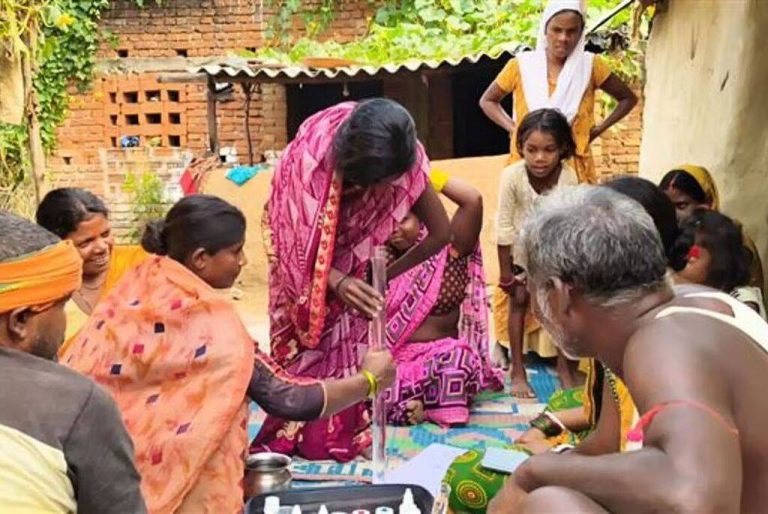
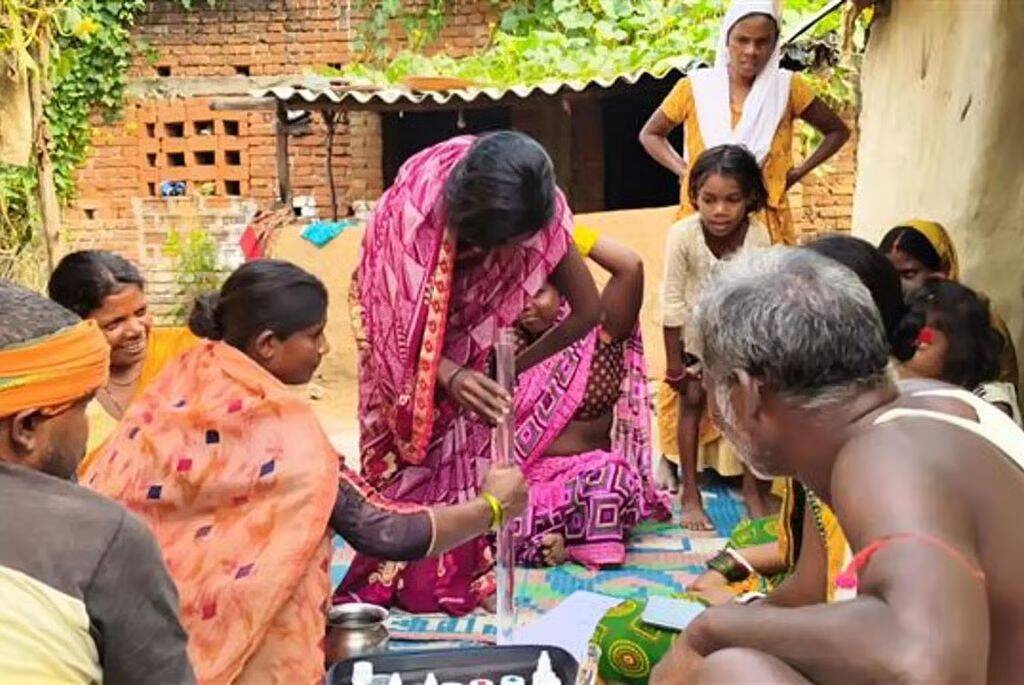
The study, which was conducted in several rural villages in India, found that communities with stronger peer influence and shared beliefs reported higher uptake of low-cost purification methods. This suggests that water programs must align with local social dynamics in order to be successful. The researchers found that social trust and collective norms were the primary drivers of adoption, rather than access to infrastructure or economic factors.
One of the key findings of the study was that communities with a strong sense of social cohesion and trust were more likely to adopt household water purification systems. This is because social cohesion and trust create an environment in which individuals are more likely to follow the lead of their peers and adopt new practices. The study also found that communities with a strong sense of collective identity and shared values were more likely to prioritize the adoption of water purification systems.
The study’s findings have significant implications for water programs in rural India. Rather than simply focusing on building new infrastructure or providing economic incentives, programs must take into account the social dynamics of the communities they are serving. This may involve working with local leaders and community members to build trust and promote the adoption of water purification systems. It may also involve using social norms and peer influence to encourage the adoption of these systems.
The study’s findings are also consistent with other research on the adoption of new technologies and practices in rural communities. This research has shown that social factors, such as social norms and peer influence, play a significant role in shaping individual behavior and decision-making. By taking these social factors into account, water programs can design more effective interventions that are tailored to the needs and values of the communities they are serving.
Another important finding of the study was that the adoption of household water purification systems was not solely driven by economic factors. While cost was a consideration for many households, it was not the only factor that determined whether or not a household would adopt a water purification system. In fact, the study found that many households were willing to pay a premium for water purification systems if they believed that they would provide a significant health benefit.
This finding has significant implications for water programs that are seeking to promote the adoption of household water purification systems. Rather than simply focusing on reducing the cost of these systems, programs may need to focus on building awareness and demand for these systems. This may involve educating households about the health benefits of using water purification systems, as well as promoting the social norms and peer influence that can drive adoption.
The study’s findings also highlight the importance of community-based approaches to promoting the adoption of household water purification systems. By working with local communities and building on existing social networks, water programs can create a sense of ownership and responsibility for water management. This can help to ensure that water purification systems are used and maintained over the long-term, rather than simply being adopted as a short-term solution.
In conclusion, the study’s findings suggest that social beliefs and collective norms play a significant role in driving the adoption of household water purification systems in rural India. By taking these social factors into account, water programs can design more effective interventions that are tailored to the needs and values of the communities they are serving. This may involve working with local leaders and community members to build trust and promote the adoption of water purification systems, as well as using social norms and peer influence to encourage adoption.
The study’s findings also highlight the importance of community-based approaches to promoting the adoption of household water purification systems. By building on existing social networks and promoting a sense of ownership and responsibility for water management, water programs can help to ensure that water purification systems are used and maintained over the long-term.
Overall, the study’s findings have significant implications for water programs in rural India. By prioritizing social beliefs and collective norms, and by taking a community-based approach to promoting the adoption of household water purification systems, water programs can help to improve access to safe and clean drinking water for millions of people in rural India.
About the Author