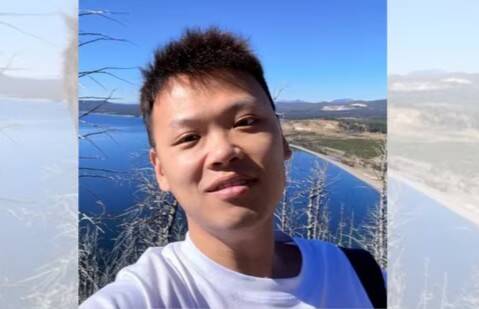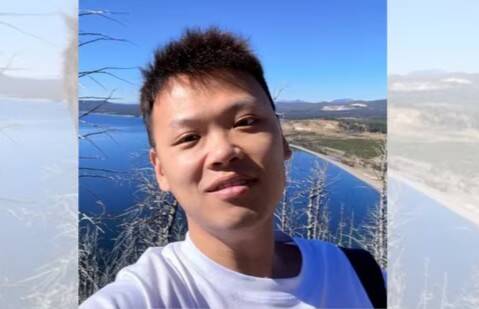
Meta Scientist Zifan Wang on ‘Genius Visa’ Denied Re-Entry into US
The United States has long been a hub for innovation and technological advancements, attracting top talent from around the world. However, a recent incident has highlighted the challenges faced by foreign nationals, even those with exceptional abilities, in navigating the complex US immigration system. Zifan Wang, a Meta AI researcher, took to social media to express his frustration after being denied re-entry into the US after a visit to China. Wang, who had been living in the US for seven years on an O-1 visa, had been working legally in the country.
The O-1 visa, also known as the “genius visa,” is reserved for individuals with extraordinary abilities in fields such as science, technology, engineering, and mathematics (STEM). To qualify for this visa, applicants must demonstrate exceptional talent and achievements in their field, with a proven track record of success. Wang, as a Meta AI researcher, had clearly met these criteria, having worked on various projects and made significant contributions to the field of artificial intelligence.
Despite his impressive credentials and seven years of living and working in the US, Wang was denied re-entry into the country after a trip to China. This decision has left many in the tech community stunned, as it raises questions about the fairness and consistency of the US immigration system. Wang’s experience is not an isolated incident, as many foreign nationals have faced similar challenges in recent years.
The US immigration system has been under scrutiny for its complex and often arbitrary rules, which can lead to inconsistent decisions. The O-1 visa, in particular, has been subject to increased scrutiny, with some applicants facing lengthy processing times and uncertain outcomes. The denial of Wang’s re-entry into the US has sparked concerns among foreign nationals, who may be deterred from pursuing opportunities in the country due to the uncertainty and risk of being denied entry.
Wang’s decision to move to London instead is a significant loss for the US tech industry, as it will deprive the country of his expertise and contributions to the field of AI research. The UK, on the other hand, will benefit from Wang’s talents, as he will join a thriving tech community in London. This incident highlights the global competition for talent, as countries such as the UK, Canada, and Australia actively court top researchers and innovators.
The implications of Wang’s experience extend beyond the individual level, as it has significant consequences for the US tech industry as a whole. The denial of re-entry to a highly skilled researcher like Wang can have a ripple effect, discouraging other foreign nationals from pursuing opportunities in the US. This can lead to a brain drain, as top talent seeks opportunities in other countries with more welcoming immigration policies.
Furthermore, the incident raises questions about the US’s ability to attract and retain top talent in the tech industry. As the global competition for innovation and technological advancements intensifies, the US must ensure that its immigration policies are aligned with its economic and strategic interests. The current system, with its complex rules and uncertain outcomes, may be driving away the very individuals who can contribute to the country’s growth and prosperity.
In conclusion, the denial of re-entry to Meta AI researcher Zifan Wang is a concerning incident that highlights the challenges faced by foreign nationals in navigating the US immigration system. Wang’s decision to move to London instead is a significant loss for the US tech industry, as it will deprive the country of his expertise and contributions to the field of AI research. As the US seeks to maintain its position as a global leader in innovation and technological advancements, it must re-examine its immigration policies to ensure that they are fair, consistent, and welcoming to top talent from around the world.
About the Author