Social beliefs drive rural water adoption: Study
Access to clean drinking water is a fundamental human right, yet millions of people in rural India continue to struggle with limited access to safe and reliable water sources. The Indian government has launched various initiatives to improve rural water supply, including the provision of household water purification systems. However, the adoption of these systems has been slow, and researchers have been trying to understand the reasons behind this trend. A new study has shed light on the factors that influence the adoption of household water purification systems in rural India, and the findings are surprising.
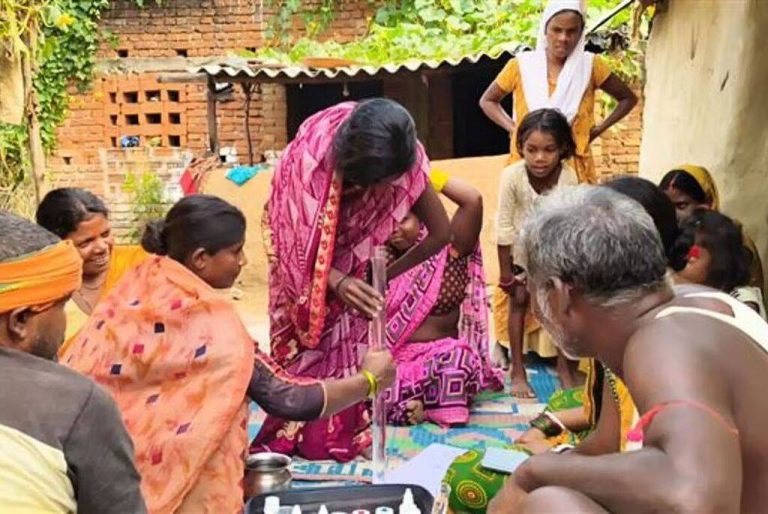
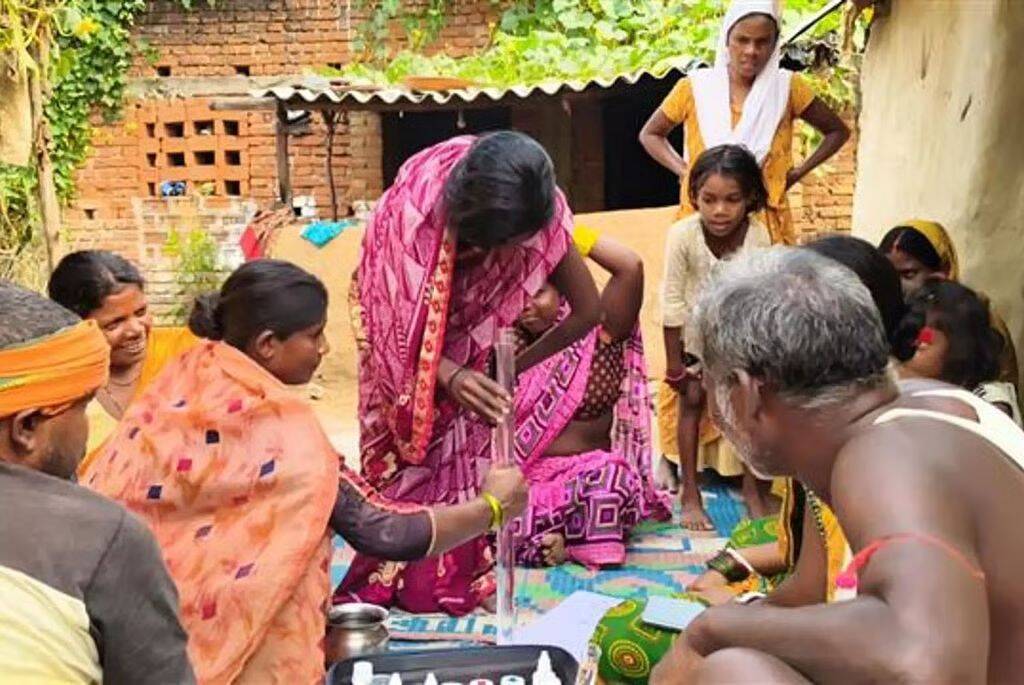
The study, which was conducted in several rural villages in India, found that the adoption of household water purification systems depends more on social trust and collective norms than infrastructure access. In other words, communities with stronger peer influence and shared beliefs reported higher uptake of low-cost purification methods. This suggests that water programmes must align with local social dynamics to be successful.
The researchers used a combination of surveys, interviews, and observations to collect data from over 1,000 households in rural India. They found that households that were part of a close-knit community with strong social bonds were more likely to adopt water purification systems. On the other hand, households that were isolated or had limited social interaction with their neighbors were less likely to adopt these systems.
One of the key factors that influenced the adoption of water purification systems was social trust. Households that trusted their neighbors and community leaders were more likely to adopt these systems, as they were more likely to believe in the effectiveness of the systems and the benefits they provided. Similarly, households that were part of a community with strong collective norms around water purification were more likely to adopt these systems, as they felt a sense of social pressure to conform to these norms.
The study also found that the type of social influence mattered. Households that were influenced by opinion leaders, such as community leaders or respected elders, were more likely to adopt water purification systems. On the other hand, households that were influenced by external agents, such as government officials or NGO workers, were less likely to adopt these systems.
The findings of this study have important implications for water programmes in rural India. They suggest that simply providing access to water purification systems is not enough to ensure adoption. Instead, programmes must be designed to take into account the social dynamics of the community, including the level of social trust and collective norms around water purification.
This can be achieved through a variety of strategies, such as community-based initiatives that promote social interaction and trust among community members. For example, community meetings and workshops can be organized to educate households about the benefits of water purification and to promote social norms around its adoption. Additionally, opinion leaders can be identified and trained to promote the adoption of water purification systems among their peers.
The study also highlights the importance of cultural sensitivity in water programmes. The adoption of water purification systems is not just a technical issue, but also a cultural one. Households may have different beliefs and values around water purification, and these must be taken into account when designing programmes. For example, some households may believe that traditional methods of water purification, such as boiling or using plant-based methods, are more effective or desirable than modern systems.
In conclusion, the adoption of household water purification systems in rural India is a complex issue that depends on a variety of factors, including social trust, collective norms, and cultural beliefs. The findings of this study suggest that water programmes must be designed to take into account the social dynamics of the community, including the level of social trust and collective norms around water purification. By doing so, we can increase the adoption of these systems and improve access to safe and reliable drinking water for millions of people in rural India.
About the Author