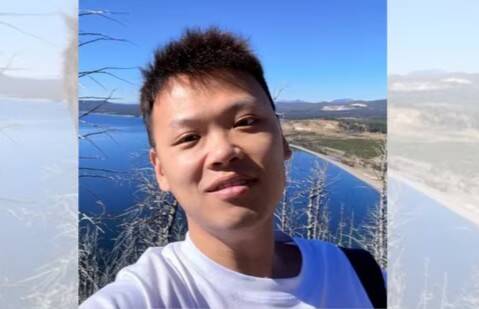
Meta Scientist Zifan Wang on ‘Genius Visa’ Denied Re-Entry into US
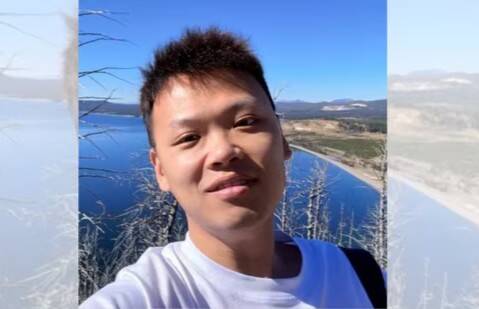
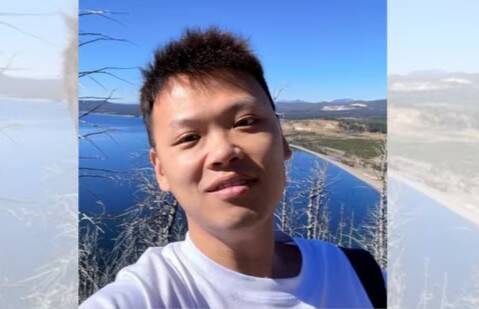
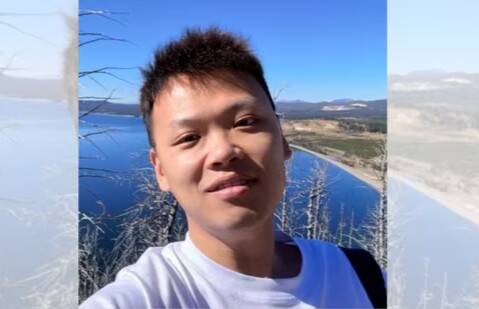
The United States has long been a hub for innovation and technological advancement, attracting top talent from around the world. However, a recent incident has raised concerns about the country’s immigration policies and their impact on the tech industry. Zifan Wang, a Meta AI researcher, was denied re-entry into the US after returning from a visit to China, despite holding a valid O-1 visa. The O-1 visa, also known as the “genius visa,” is reserved for individuals of “extraordinary ability” in their field.
Wang, who had been living in the US for seven years and working legally on his O-1 visa, took to social media to express his frustration and disappointment. He announced that he would be moving to London instead, citing the uncertainty and unpredictability of the US immigration system. The news has sparked a heated debate about the treatment of highly skilled immigrants in the US and the potential consequences for the country’s tech industry.
The O-1 visa is a non-immigrant visa that allows individuals with exceptional abilities in fields such as science, technology, engineering, and mathematics (STEM) to work in the US. To qualify for an O-1 visa, applicants must demonstrate a high level of expertise and achievement in their field, including awards, publications, and recognition from peers. Wang, as a Meta AI researcher, had clearly met these criteria, having worked on various projects and published research papers in his field.
Despite his credentials and valid visa, Wang was denied re-entry into the US. The reasons for the denial are not entirely clear, but it is likely that Wang’s visit to China raised concerns about his eligibility for re-entry. The US has been increasingly scrutinizing travelers from China, particularly those working in sensitive fields such as AI and tech. The US government has expressed concerns about the potential for intellectual property theft and the transfer of sensitive technology to China.
However, Wang’s case highlights the challenges faced by highly skilled immigrants in the US. The O-1 visa is a non-immigrant visa, which means that holders are not considered permanent residents and are subject to certain restrictions. They must demonstrate that they intend to return to their home country or another country outside the US, and they are not eligible for certain benefits, such as federal student loans or unemployment benefits.
The denial of re-entry to Wang has significant implications for the US tech industry. The industry relies heavily on international talent, and the O-1 visa is a crucial pathway for highly skilled immigrants to work in the US. If the US is unable to attract and retain top talent, it risks falling behind other countries in terms of innovation and technological advancement.
Wang’s decision to move to London is not surprising, given the uncertainty and unpredictability of the US immigration system. The UK has been actively courting international talent, particularly in the tech industry, and offers a more streamlined and predictable immigration process. Other countries, such as Canada and Australia, are also competing for top talent, offering more favorable immigration policies and benefits.
The incident has also sparked concerns about the impact of the US-China trade war on the tech industry. The trade war has led to increased tensions between the two countries, with the US imposing restrictions on Chinese tech companies and individuals. The denial of re-entry to Wang may be seen as a manifestation of these tensions, and could have far-reaching consequences for the tech industry.
In conclusion, the denial of re-entry to Meta scientist Zifan Wang highlights the challenges faced by highly skilled immigrants in the US. The incident raises concerns about the treatment of international talent and the potential consequences for the US tech industry. As the US continues to navigate its complex immigration policies, it is essential to consider the impact on the tech industry and the country’s ability to attract and retain top talent.
The US must find a balance between national security concerns and the need to attract highly skilled immigrants. The O-1 visa is a crucial pathway for international talent, and it is essential to ensure that the visa process is fair, efficient, and predictable. The US must also consider the long-term consequences of its immigration policies and the potential impact on the tech industry.
As Wang prepares to move to London, the US must reflect on its immigration policies and the message they send to international talent. The US has long been a beacon for innovation and technological advancement, but its ability to attract and retain top talent is under threat. The incident highlights the need for a more nuanced and balanced approach to immigration, one that takes into account the complexities of the modern world and the needs of the tech industry.
About the Author