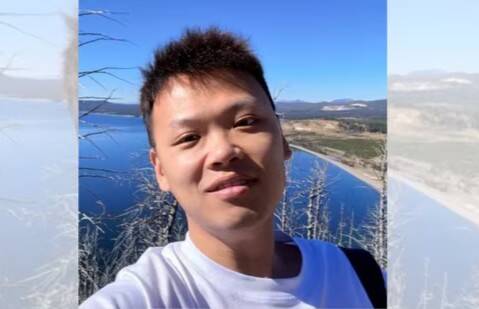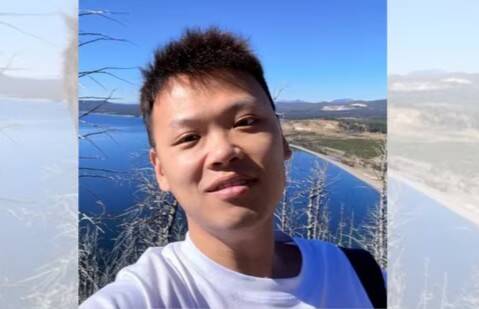
Meta scientist Zifan Wang on ‘genius visa’ denied re-entry into US
The United States has long been a hub for technological innovation and advancement, attracting some of the brightest minds from around the world. However, a recent incident has raised questions about the country’s immigration policies and their impact on the tech industry. Zifan Wang, a Meta AI researcher, was denied re-entry into the US after returning from a visit to China, despite holding a valid O-1 visa, also known as the “genius visa.” This visa is reserved for individuals of “extraordinary ability” in their field, and Wang had been living and working in the US for seven years.
Wang took to social media to express his frustration and disappointment at being denied re-entry into the country. He had been working legally in the US on his O-1 visa, which is typically granted to individuals who have demonstrated exceptional talent and achievements in their field. The O-1 visa is a non-immigrant visa, which means that it is not a path to permanent residency, but rather a temporary visa that allows individuals to work in the US for a specific period.
The incident has sparked concerns about the US immigration system and its potential impact on the tech industry. The O-1 visa is a highly competitive and selective visa, and individuals who are granted this visa are typically considered to be among the best in their field. Wang’s denial of re-entry into the US raises questions about the criteria used to evaluate these visas and the potential for arbitrary decisions.
Wang’s situation is not unique, and there have been several reports of individuals on O-1 visas facing difficulties when trying to re-enter the US. This has led to concerns that the US is becoming less welcoming to international talent, which could have significant implications for the tech industry. The US has long been a leader in technological innovation, and the ability to attract and retain top talent from around the world has been a key factor in this success.
The news of Wang’s denial of re-entry into the US has also sparked a debate about the impact of immigration policies on the tech industry. Some have argued that the US needs to reform its immigration system to make it more welcoming to international talent, while others have argued that the current system is necessary to protect national security and prevent abuse.
In response to his denial of re-entry, Wang announced that he would be moving to London instead. This decision is likely to be seen as a loss for the US tech industry, as Wang is a highly skilled and talented researcher who could have made significant contributions to the field. The move is also likely to be seen as a gain for the UK, which has been actively seeking to attract international talent in the tech industry.
The incident highlights the need for a more streamlined and efficient immigration system that can attract and retain top talent from around the world. The US needs to ensure that its immigration policies are aligned with its economic and technological goals, and that they do not inadvertently drive away highly skilled individuals who could make significant contributions to the country.
In conclusion, the denial of re-entry into the US for Meta AI researcher Zifan Wang is a concerning incident that highlights the need for reform in the US immigration system. The O-1 visa is a highly competitive and selective visa, and individuals who are granted this visa should be able to re-enter the US without difficulty. The incident also raises questions about the impact of immigration policies on the tech industry and the potential for the US to lose out on top talent to other countries.
As the US continues to navigate the complexities of immigration reform, it is essential to consider the potential impact on the tech industry and the country’s ability to attract and retain top talent. The incident involving Wang is a reminder that the US needs to ensure that its immigration policies are aligned with its economic and technological goals, and that they do not inadvertently drive away highly skilled individuals who could make significant contributions to the country.
About the Author