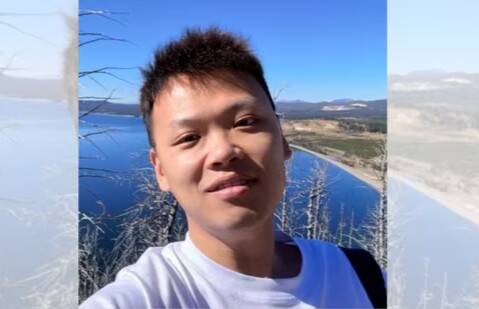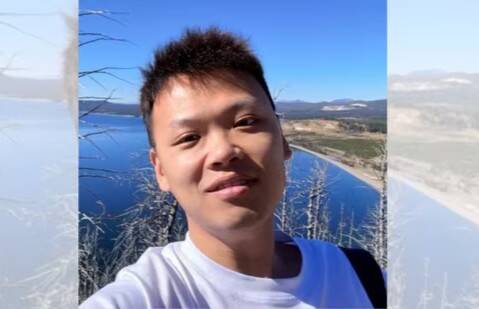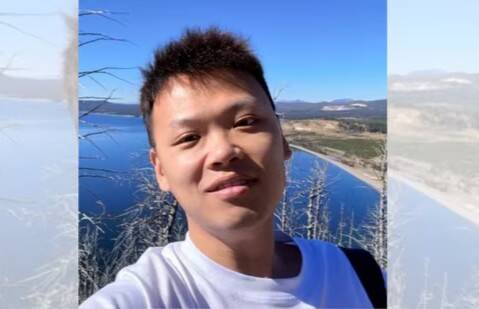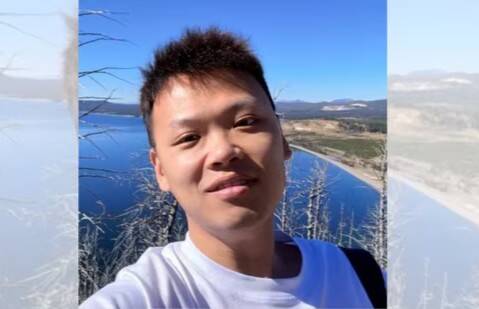
Meta Scientist Zifan Wang on ‘Genius Visa’ Denied Re-Entry into US
The United States has long been a hub for innovation and technological advancements, attracting top talent from around the world. However, a recent incident involving Meta AI researcher Zifan Wang has raised concerns about the country’s immigration policies and their impact on the tech industry. Wang, who had been living in the US for seven years on an O-1 visa, was denied re-entry into the country after a visit to China, leaving him frustrated and disappointed.
The O-1 visa, also known as the “genius visa,” is reserved for individuals with extraordinary abilities in fields such as science, technology, engineering, and mathematics (STEM). Wang, who has been working at Meta, one of the world’s leading tech companies, had been granted this visa due to his exceptional skills and contributions to the field of artificial intelligence. Despite his impressive credentials and legal status, Wang was denied re-entry into the US, sparking a heated debate about the country’s immigration policies and their treatment of high-skilled workers.
Wang took to social media to express his frustration and disappointment, sharing his story with his followers. He announced that he would be moving to London instead, citing the uncertainty and unpredictability of the US immigration system. Wang’s decision to leave the US and relocate to the UK has significant implications for the tech industry, as it highlights the challenges faced by foreign workers in the US and the attractiveness of other countries as alternatives.
The incident has also sparked concerns about the brain drain that the US may face due to its stringent immigration policies. The country has long been a magnet for top talent from around the world, but the current immigration system has made it increasingly difficult for foreign workers to secure visas and stay in the country. The denial of re-entry to someone like Wang, who has made significant contributions to the field of AI, raises questions about the criteria used to evaluate visa applications and the potential consequences for the US tech industry.
The O-1 visa, which Wang held, is considered one of the most prestigious visas in the US, reserved for individuals with extraordinary abilities in their field. The visa requires applicants to demonstrate exceptional achievements, such as awards, publications, and recognition from peers. Wang’s denial of re-entry, despite meeting these criteria, suggests that the US immigration system is becoming increasingly unpredictable and restrictive.
The incident has also highlighted the importance of immigration reform in the US. The current system has been criticized for being outdated and inflexible, failing to meet the needs of the modern economy. The denial of re-entry to high-skilled workers like Wang can have significant consequences for the US tech industry, as it may lead to a brain drain and a loss of talent to other countries.
In recent years, the US has seen a significant increase in visa denials and delays, particularly for high-skilled workers. This trend has been attributed to the current administration’s immigration policies, which have made it more difficult for foreign workers to secure visas and stay in the country. The consequences of these policies can be far-reaching, impacting not only the individuals affected but also the companies that employ them and the broader economy.
Wang’s decision to move to London is a significant blow to the US tech industry, as it highlights the attractiveness of other countries as alternatives. The UK, in particular, has been actively courting top talent from around the world, offering more favorable immigration policies and a more welcoming environment for foreign workers. Other countries, such as Canada and Australia, have also been actively promoting themselves as destinations for high-skilled workers, offering more streamlined and efficient immigration processes.
In conclusion, the denial of re-entry to Meta AI researcher Zifan Wang is a significant incident that highlights the challenges faced by foreign workers in the US. The incident has sparked concerns about the brain drain that the US may face due to its stringent immigration policies and the attractiveness of other countries as alternatives. As the US tech industry continues to rely on high-skilled workers from around the world, it is essential that the country’s immigration policies are reformed to meet the needs of the modern economy.
The incident has also highlighted the importance of creating a more welcoming environment for foreign workers, one that recognizes their contributions to the US economy and society. By offering more favorable immigration policies and a more streamlined process, the US can continue to attract top talent from around the world and maintain its position as a leader in the tech industry.
For more information, visit: https://www.hindustantimes.com/trending/us/meta-employee-on-o-1-visa-denied-reentry-to-the-us-now-plans-to-move-to-london-101769567153411-amp.html
About the Author