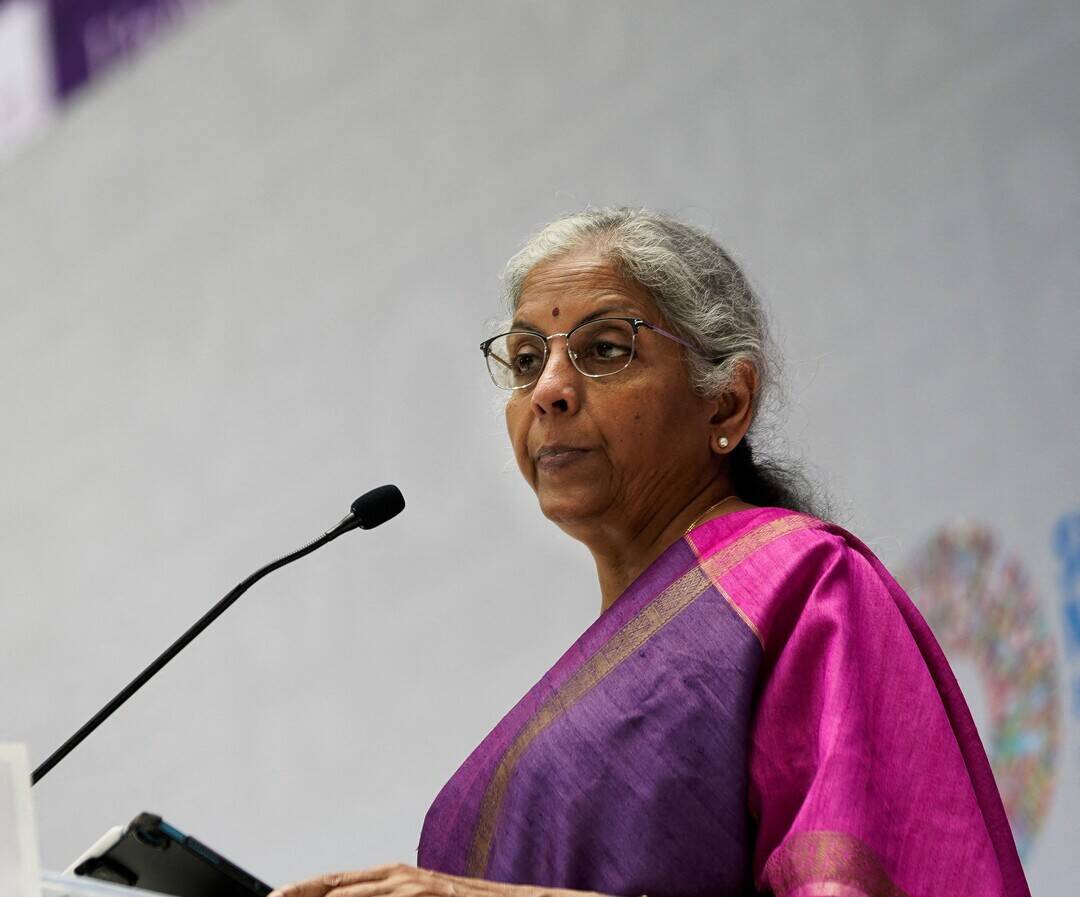
Who is part of Sitharaman’s ‘war room’ for Budget 2026?
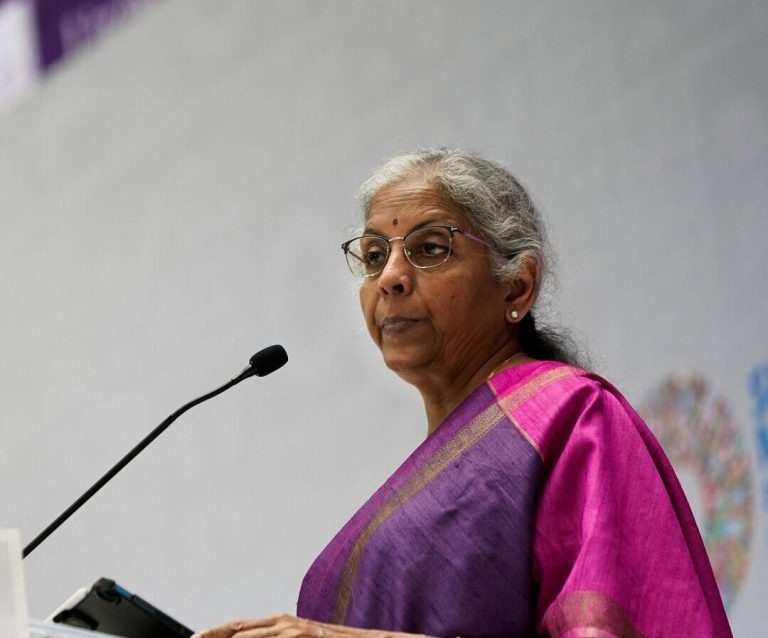
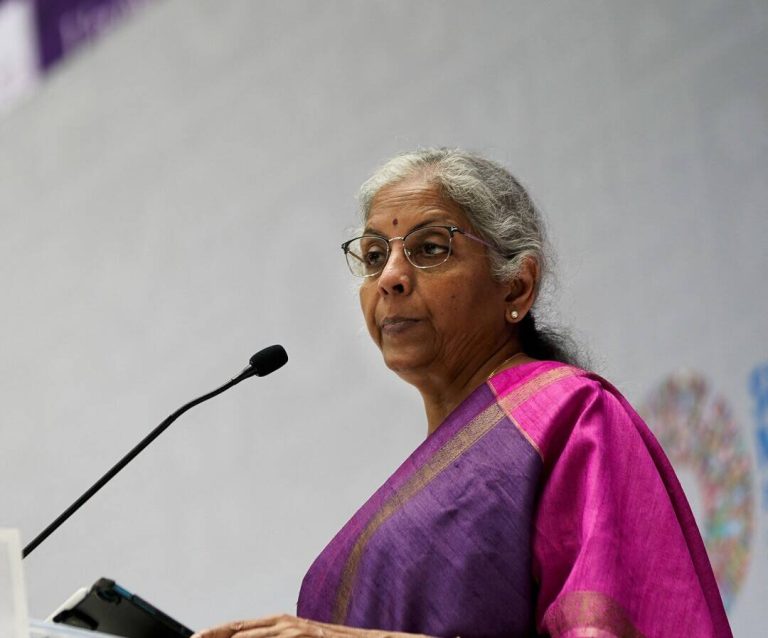
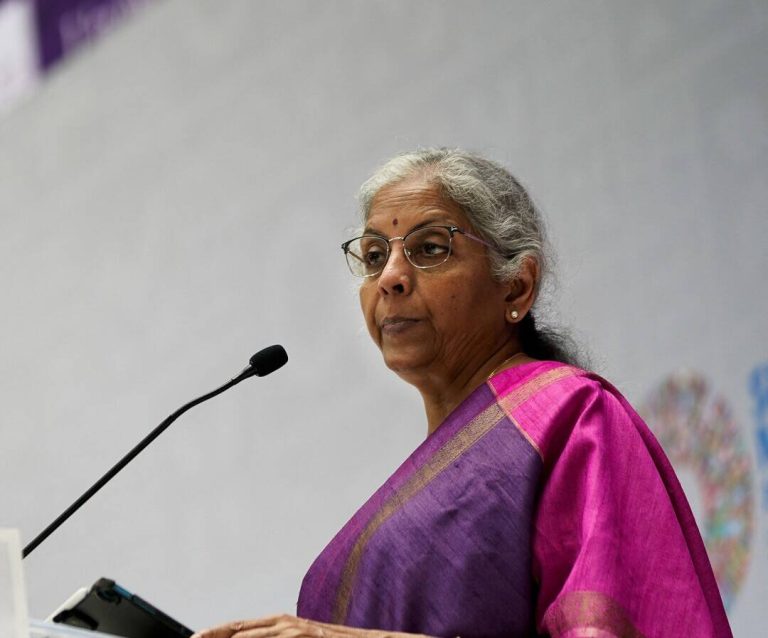
As the nation eagerly awaits the unveiling of Budget 2026, the Finance Minister of India, Nirmala Sitharaman, has been working tirelessly to draft a comprehensive and inclusive budget that addresses the country’s economic challenges. Behind the scenes, a dedicated team of officials, often referred to as the “war room,” has been instrumental in shaping the budget. This team consists of experienced bureaucrats who have been working closely with the Finance Minister to ensure that the budget is well-crafted and effective.
At the helm of the “war room” is Economic Affairs Secretary Anuradha Thakur, who has been playing a crucial role in drafting the budget. Thakur, a seasoned bureaucrat, has extensive experience in economic policy-making and has been instrumental in shaping the government’s economic agenda. Alongside Thakur is Revenue Secretary Arvind Srivastava, who has been responsible for drafting the tax proposals and revenue projections for the budget. Srivastava’s expertise in taxation and revenue collection has been invaluable in ensuring that the budget is fiscally responsible and sustainable.
Another key member of the “war room” is Expenditure Secretary V Vualnam, who has been overseeing the allocation of resources and expenditures for the budget. Vualnam’s experience in public finance and budgeting has been essential in ensuring that the budget is efficient and effective in its allocation of resources. Financial Services Secretary M Nagaraju has also been an integral part of the team, responsible for drafting proposals related to the financial sector, including banking and insurance.
In addition to these officials, the “war room” also includes DIPAM Secretary Arunish Chawla, who has been working on proposals related to disinvestment and public asset management. Chawla’s expertise in this area has been crucial in shaping the government’s strategy for disinvestment and privatization. Public Enterprises Secretary Moses Chalai has also been part of the team, providing input on proposals related to public sector enterprises and their reform.
One of the most significant additions to the “war room” is Chief Economic Adviser (CEA) V Anantha Nageswaran, who has been providing critical economic advice and guidance to the Finance Minister. Nageswaran’s expertise in macroeconomic policy and his experience in international economic institutions have been invaluable in shaping the budget’s economic framework.
The “war room” has been working tirelessly to ensure that the budget is comprehensive, inclusive, and effective in addressing the country’s economic challenges. The team has been engaging with various stakeholders, including industry leaders, economists, and civil society organizations, to gather feedback and input on the budget. This consultative approach has helped to ensure that the budget is well-rounded and takes into account the diverse needs and perspectives of the country.
As the budget is set to be unveiled, the nation is eagerly awaiting the announcements that will be made. The “war room” has been working to ensure that the budget is a reflection of the government’s commitment to economic growth, fiscal responsibility, and social welfare. With a team of experienced and dedicated officials, the Finance Minister is well-equipped to present a budget that will meet the expectations of the nation.
In conclusion, the “war room” behind Budget 2026 is a team of experienced and dedicated officials who have been working tirelessly to draft a comprehensive and inclusive budget. With their expertise and guidance, the Finance Minister is well-positioned to present a budget that will address the country’s economic challenges and promote sustainable growth and development.
News Source: https://www.firstpost.com/explainers/whos-in-nirmala-sitharamans-union-budget-2026-war-room-13973100.html/amp
About the Author