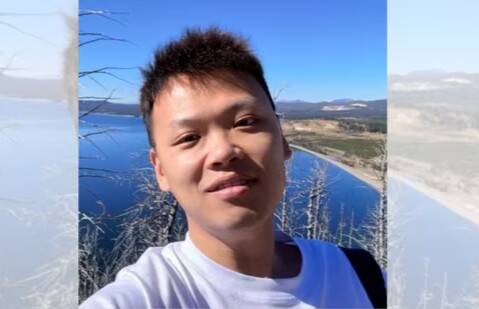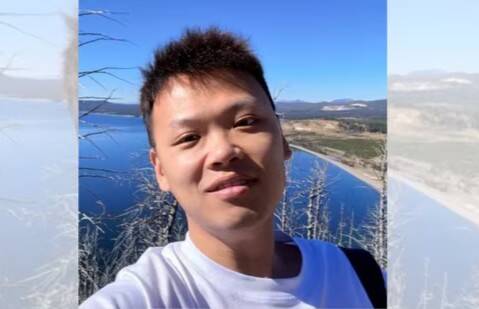
Meta Scientist Zifan Wang on ‘Genius Visa’ Denied Re-Entry into US
The United States has long been a hub for innovation and technological advancements, attracting top talent from around the world. However, a recent incident has raised concerns about the country’s immigration policies and their impact on the tech industry. Meta AI researcher Zifan Wang, who had been living in the US for seven years on an O-1 visa, was denied re-entry into the country after a visit to China. The O-1 visa, also known as the “genius visa,” is reserved for individuals of “extraordinary ability” in their field.
Wang, who had been working legally in the US, took to social media to express his frustration and disappointment at being denied re-entry. His situation has sparked a heated debate about the US immigration system and its treatment of highly skilled workers. The news has also highlighted the challenges faced by international students and professionals who come to the US to pursue their careers, only to face uncertainty and barriers when trying to stay in the country.
The O-1 visa is a non-immigrant visa that allows individuals with exceptional abilities in fields such as science, technology, engineering, and mathematics (STEM) to work in the US. To qualify for an O-1 visa, applicants must demonstrate that they have achieved national or international recognition in their field, and that their work will substantially benefit the US. Wang, as a Meta AI researcher, had clearly met these criteria, having worked in the US for seven years and contributing to the country’s tech industry.
Despite his qualifications and contributions, Wang was denied re-entry into the US after a visit to China. The reasons for the denial are not entirely clear, but it is likely that Wang’s travel to China raised concerns about his ties to the US and his potential for overstaying his visa. The US has been increasingly scrutinizing travelers from China, particularly in the context of the ongoing trade tensions and national security concerns.
Wang’s situation is not an isolated incident. Many international students and professionals have faced similar challenges when trying to enter or re-enter the US. The US immigration system is notoriously complex and bureaucratic, with long processing times and uncertain outcomes. The Trump administration’s “America First” policies and the subsequent travel bans have further exacerbated the situation, creating a climate of uncertainty and fear among international travelers.
The denial of Wang’s re-entry has significant implications for the US tech industry. The country has long relied on international talent to drive innovation and growth, particularly in fields such as AI and machine learning. The loss of talented researchers like Wang can have a ripple effect, impacting not only the companies they work for but also the broader ecosystem of startups and entrepreneurs.
In response to the denial, Wang announced that he would be moving to London instead. The UK has been actively courting international talent, particularly in the tech sector, with more relaxed immigration policies and a more welcoming environment. Wang’s decision to relocate to London is a significant blow to the US tech industry, which is already facing intense competition from other countries.
The incident has also raised questions about the US’s ability to attract and retain top talent. The country’s immigration policies have become increasingly restrictive, making it difficult for international students and professionals to stay in the US after completing their studies or working on a visa. The denial of Wang’s re-entry is a stark reminder that even highly skilled workers with “genius visas” are not immune to the uncertainties of the US immigration system.
In conclusion, the denial of Meta scientist Zifan Wang’s re-entry into the US is a concerning incident that highlights the challenges faced by international students and professionals in the country. The US tech industry relies heavily on international talent, and the loss of researchers like Wang can have significant implications for innovation and growth. As the US continues to navigate its complex immigration policies, it is essential to consider the impact on the tech industry and the country’s ability to attract and retain top talent.
About the Author