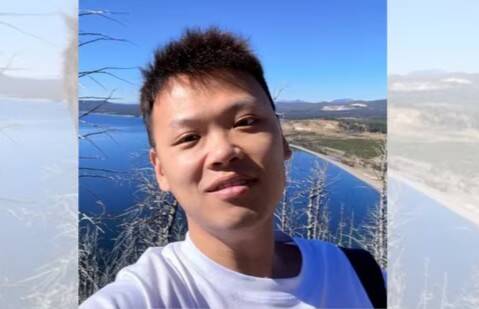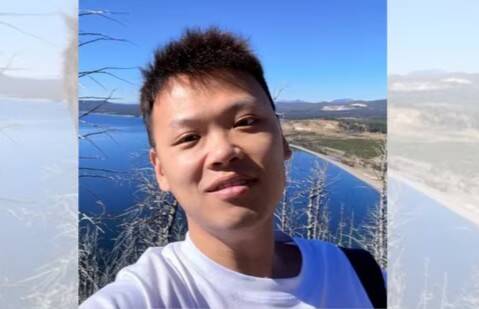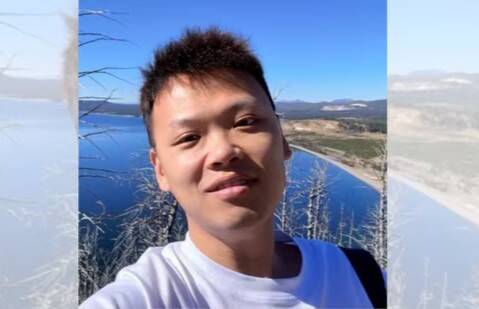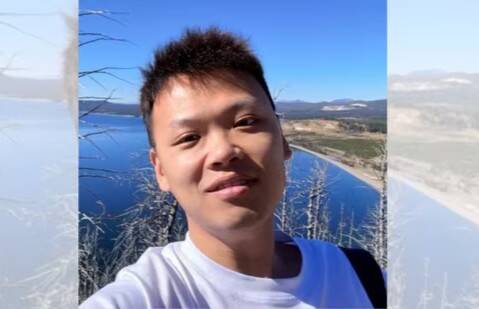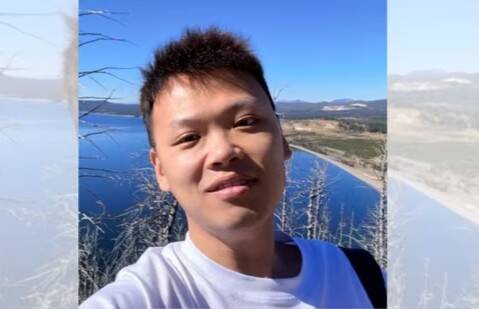
Meta Scientist Zifan Wang on ‘Genius Visa’ Denied Re-Entry into US
The United States has long been a hub for innovation and technological advancement, attracting top talent from around the world. However, a recent incident involving Meta AI researcher Zifan Wang has raised questions about the country’s immigration policies and their impact on the tech industry. Wang, who had been living in the US for seven years on an O-1 visa, was denied re-entry into the country after a visit to China. The O-1 visa, also known as the “genius visa,” is reserved for individuals of “extraordinary ability” in fields such as science, technology, engineering, and mathematics (STEM).
Wang, who worked as a researcher at Meta, took to social media to express his frustration and disappointment at being denied re-entry into the US. He had been working legally in the country for seven years, contributing to the development of artificial intelligence and other cutting-edge technologies. Despite his impressive credentials and contributions to the US tech industry, Wang was unable to re-enter the country, highlighting the challenges faced by international talent in navigating the complex US immigration system.
The O-1 visa is designed to attract top talent from around the world, allowing them to work in the US for a specified period. However, the visa application process can be lengthy and bureaucratic, and even those who have been granted an O-1 visa are not guaranteed re-entry into the country. Wang’s experience is a stark reminder of the uncertainties faced by international workers in the US, even those with exceptional abilities and credentials.
Wang’s decision to move to London instead of pursuing further appeals or attempts to re-enter the US is a significant loss for the American tech industry. The UK has been actively courting international talent, offering more favorable immigration policies and a more streamlined visa application process. Wang’s move to London is likely to be followed by other top researchers and scientists, who may be deterred by the uncertainties and challenges of the US immigration system.
The incident has sparked a wider debate about the impact of US immigration policies on the tech industry. While the US has long been a leader in innovation and technological advancement, its immigration policies have been criticized for being overly restrictive and bureaucratic. The H-1B visa program, which is designed for skilled workers, has been subject to annual caps and lengthy application processes, making it difficult for companies to attract and retain top talent.
The loss of international talent like Zifan Wang is a significant blow to the US tech industry, which relies heavily on foreign-born workers to drive innovation and growth. According to a report by the National Science Foundation, international students and workers account for a significant proportion of STEM workers in the US. The report found that in 2019, international students accounted for 43% of all graduate students in STEM fields, while foreign-born workers accounted for 27% of all STEM workers in the US.
The denial of re-entry to Wang and other international workers like him raises concerns about the long-term competitiveness of the US tech industry. As other countries, such as the UK, Canada, and Australia, offer more favorable immigration policies and a more streamlined visa application process, the US risks losing its edge in attracting and retaining top talent. The US government needs to rethink its immigration policies and find ways to make it easier for international workers to contribute to the country’s economy and innovation ecosystem.
In conclusion, the denial of re-entry to Meta AI researcher Zifan Wang is a stark reminder of the challenges faced by international workers in the US. The incident highlights the need for a more streamlined and efficient immigration system, one that allows top talent to contribute to the US economy and innovation ecosystem without unnecessary bureaucratic hurdles. As the US tech industry continues to evolve and grow, it is essential that the government finds ways to attract and retain international talent, rather than driving them away to other countries.
About the Author