Meta Scientist Zifan Wang on ‘Genius Visa’ Denied Re-Entry into US
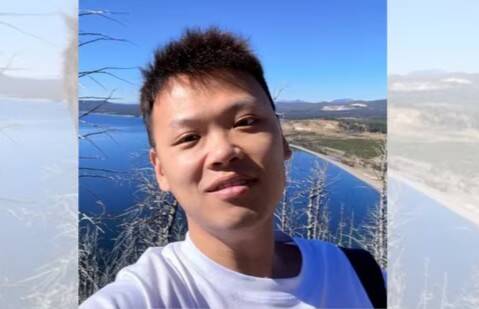
The United States has long been a hub for innovation and technological advancement, attracting some of the brightest minds from around the world. One such individual is Zifan Wang, a Meta AI researcher who had been living in the US for seven years on an O-1 visa, reserved for people of “extraordinary ability”. However, Wang’s journey in the US was recently disrupted when he was denied re-entry into the country after a visit to China.
Wang, who has been working legally in the US, took to social media to express his frustration and disappointment at being denied re-entry. His situation highlights the challenges faced by highly skilled individuals who come to the US on specialized visas, only to find themselves at the mercy of immigration authorities. In this blog post, we will delve into Wang’s story, the O-1 visa program, and the implications of his denial on the US tech industry.
The O-1 Visa Program
The O-1 visa, also known as the “genius visa”, is a non-immigrant visa reserved for individuals who possess extraordinary abilities in fields such as science, technology, engineering, and mathematics (STEM). To qualify for an O-1 visa, applicants must demonstrate that they have achieved national or international recognition in their field, and that their work has had a significant impact on their industry.
The O-1 visa program is designed to attract top talent from around the world to the US, with the goal of driving innovation and economic growth. However, the program is highly competitive, and applicants must undergo a rigorous screening process to demonstrate their eligibility. Wang, who has been working at Meta, one of the world’s leading tech companies, had successfully navigated this process and had been living and working in the US for seven years on an O-1 visa.
Wang’s Denial and Decision to Leave
Wang’s denial of re-entry into the US is a shocking turn of events, given his established presence in the country and his contribution to the tech industry. According to Wang, he had traveled to China for a visit and was denied re-entry into the US upon his return. The reasons for his denial are not entirely clear, but it is believed that his travel history and activities while in China may have raised concerns with immigration authorities.
In response to his denial, Wang announced on social media that he would be relocating to London, citing the uncertainty and unpredictability of the US immigration system. Wang’s decision to leave the US is a significant loss for the country’s tech industry, as he is a highly skilled and accomplished researcher in his field.
Implications for the US Tech Industry
Wang’s denial of re-entry into the US highlights the challenges faced by highly skilled individuals who come to the country on specialized visas. The O-1 visa program is designed to attract top talent from around the world, but the program’s strict eligibility criteria and unpredictable application process can create uncertainty and anxiety for applicants.
The denial of re-entry for individuals like Wang, who have established themselves in the US and are making significant contributions to their field, can have far-reaching implications for the US tech industry. The loss of top talent can hinder innovation and economic growth, as companies like Meta rely on highly skilled individuals to drive their research and development efforts.
Furthermore, Wang’s decision to relocate to London may be a sign of things to come, as other highly skilled individuals may choose to pursue opportunities in other countries with more predictable and welcoming immigration systems. This could have significant consequences for the US tech industry, as the country’s ability to attract and retain top talent is critical to its competitiveness and innovation.
Conclusion
The story of Zifan Wang, a Meta AI researcher who was denied re-entry into the US after returning from a visit to China, highlights the challenges faced by highly skilled individuals who come to the country on specialized visas. The O-1 visa program, designed to attract top talent from around the world, is a critical component of the US tech industry’s ability to drive innovation and economic growth.
However, the program’s strict eligibility criteria and unpredictable application process can create uncertainty and anxiety for applicants. Wang’s denial of re-entry and decision to relocate to London is a significant loss for the US tech industry, and may be a sign of things to come if the country’s immigration system does not become more welcoming and predictable.
As the US tech industry continues to evolve and grow, it is essential that the country’s immigration system is designed to attract and retain top talent from around the world. The story of Zifan Wang serves as a reminder of the importance of creating a more predictable and welcoming immigration system, one that allows highly skilled individuals to contribute to the country’s innovation and economic growth.
About the Author