Meta Scientist Zifan Wang on ‘Genius Visa’ Denied Re-Entry into US
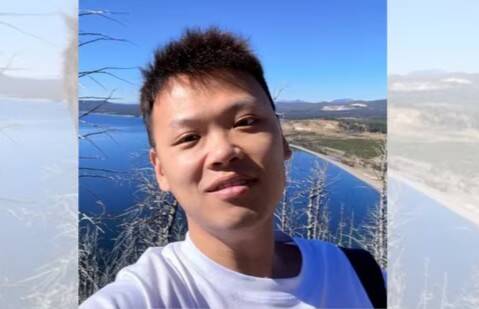
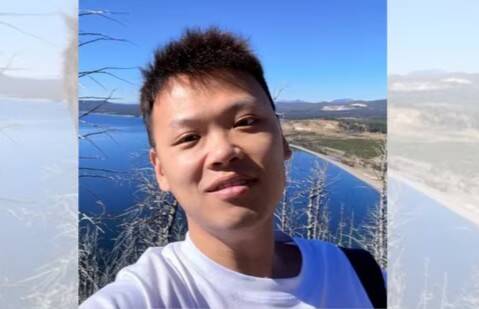
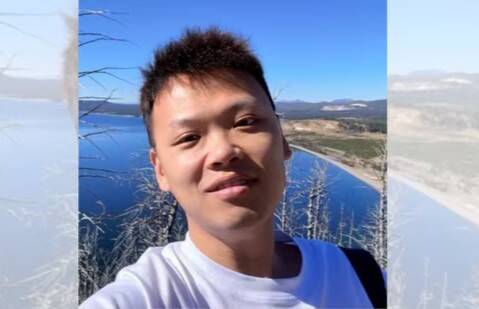
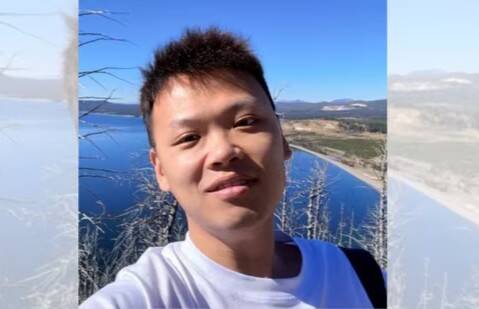
The United States has long been a hub for innovation and technological advancement, attracting some of the brightest minds from around the world. One such individual is Meta AI researcher Zifan Wang, who had been living in the US for seven years and working legally on an O-1 visa. The O-1 visa, often referred to as the “genius visa,” is reserved for people of “extraordinary ability” in fields such as science, technology, engineering, and mathematics (STEM). However, in a shocking turn of events, Wang was recently denied re-entry into the US after returning from a visit to China.
Wang took to social media to express his frustration and disappointment at being denied re-entry into the country he had called home for nearly a decade. His situation has sparked concern and outrage among the scientific community, with many questioning the logic behind denying a highly skilled individual like Wang the opportunity to continue his work in the US.
Wang’s story is not an isolated incident, but rather a symptom of a larger issue plaguing the US immigration system. The O-1 visa, which is designed to attract top talent from around the world, has become increasingly difficult to obtain and maintain. The stringent requirements and lengthy processing times have led many to question whether the US is truly committed to attracting and retaining the best and brightest minds.
The implications of Wang’s situation extend far beyond his individual circumstances. The US tech industry, which has long been a driving force behind the country’s economic growth, relies heavily on international talent. The denial of re-entry to someone like Wang, who has made significant contributions to the field of AI research, sends a chilling message to other foreign-born scientists and engineers who are considering working in the US.
The US is not the only country vying for top talent, however. Other nations, such as the UK, Canada, and Australia, have implemented more streamlined and welcoming immigration policies, making them increasingly attractive options for international scientists and engineers. Wang, for example, has announced that he plans to move to London, where he will continue his work in AI research.
The loss of talent like Wang’s is a significant blow to the US tech industry, which is already facing intense competition from other countries. The brain drain that results from denying re-entry to highly skilled individuals like Wang can have far-reaching consequences, including a decline in innovation and competitiveness.
Furthermore, the denial of re-entry to someone like Wang, who has been living and working in the US for seven years, raises questions about the fairness and consistency of the US immigration system. If someone who has been deemed to have “extraordinary ability” and has been working legally in the US for nearly a decade can be denied re-entry, what does this say about the system as a whole?
The US government has a long history of attracting and retaining top talent from around the world. The O-1 visa, in particular, was designed to provide a pathway for highly skilled individuals to work in the US. However, the increasing difficulty in obtaining and maintaining this visa has led many to question whether the US is truly committed to attracting and retaining the best and brightest minds.
In conclusion, the denial of re-entry to Meta AI researcher Zifan Wang is a disturbing trend that highlights the need for reform in the US immigration system. The loss of talent like Wang’s is a significant blow to the US tech industry, and the implications of his situation extend far beyond his individual circumstances. As the US continues to compete with other countries for top talent, it is essential that the government prioritizes attracting and retaining highly skilled individuals like Wang.
The US government must take a closer look at its immigration policies and consider the long-term consequences of denying re-entry to highly skilled individuals like Wang. By streamlining the O-1 visa process and providing a more welcoming environment for international scientists and engineers, the US can once again become a magnet for top talent from around the world.
About the Author