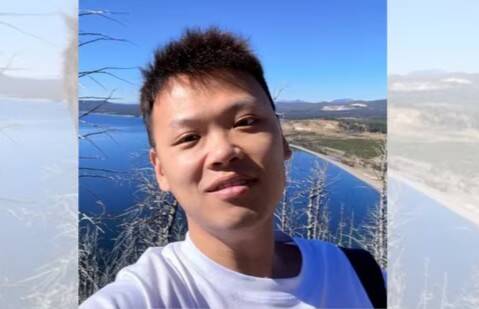
Meta Scientist Zifan Wang on ‘Genius Visa’ Denied Re-Entry into US
The United States has long been a hub for technological innovation, attracting top talent from around the world to work for its top tech companies. One such individual is Meta AI researcher Zifan Wang, who had been living in the US for seven years on an O-1 visa, reserved for people of “extraordinary ability”. However, Wang’s life was turned upside down when he was denied re-entry into the US after a visit to China. The news has sent shockwaves through the tech community, with many expressing their disappointment and frustration on social media.
Wang, who has been working at Meta, the parent company of Facebook and Instagram, took to social media to express his frustration and disappointment at being denied re-entry into the US. He had been living in the US for seven years, working legally on an O-1 visa, which is reserved for individuals who have demonstrated extraordinary ability in their field. The O-1 visa is often referred to as the “genius visa” due to the high standards required to qualify for it.
Despite meeting the stringent requirements for the O-1 visa, Wang was denied re-entry into the US after a visit to China. The reason for the denial is not clear, but it has sparked a heated debate about the US immigration system and its treatment of highly skilled workers. Wang’s case highlights the challenges faced by many foreign nationals who come to the US to work in the tech industry, only to face uncertainty and instability due to the country’s complex immigration laws.
Wang’s decision to move to London instead of pursuing further action to regain entry into the US is a significant blow to the US tech industry. The loss of top talent like Wang can have far-reaching consequences, including the loss of innovation, expertise, and competitiveness. The US tech industry has long relied on foreign talent to drive innovation and growth, and the denial of re-entry to someone like Wang can have a chilling effect on other foreign nationals who may be considering working in the US.
The news of Wang’s denial of re-entry has sparked a wider debate about the US immigration system and its impact on the tech industry. Many experts have argued that the US immigration system is in dire need of reform, with some calling for a more streamlined and efficient process for highly skilled workers. The current system can be complex and unpredictable, with long wait times and uncertain outcomes.
The O-1 visa, in particular, has come under scrutiny, with some arguing that it is too difficult to obtain and maintain. The visa requires applicants to demonstrate extraordinary ability in their field, which can be a high bar to clear. Additionally, the visa is typically valid for three years, after which it must be renewed. The renewal process can be lengthy and uncertain, leaving many highly skilled workers in a state of limbo.
Wang’s case is not an isolated incident. Many highly skilled workers have reported difficulties with the US immigration system, including long wait times, uncertain outcomes, and a lack of transparency. The system can be particularly challenging for those who are not familiar with the complexities of US immigration law.
The impact of Wang’s denial of re-entry can be felt beyond the tech industry. The loss of top talent can have far-reaching consequences for the US economy, including the loss of jobs, revenue, and innovation. The US has long been a leader in technological innovation, but the denial of re-entry to someone like Wang can undermine that leadership.
In conclusion, the denial of re-entry to Meta AI researcher Zifan Wang is a significant blow to the US tech industry. Wang’s decision to move to London instead of pursuing further action to regain entry into the US highlights the challenges faced by many foreign nationals who come to the US to work in the tech industry. The US immigration system is in dire need of reform, with a more streamlined and efficient process for highly skilled workers. The loss of top talent like Wang can have far-reaching consequences, including the loss of innovation, expertise, and competitiveness.
As the US tech industry continues to evolve and grow, it is essential that the country’s immigration system is able to attract and retain top talent from around the world. The denial of re-entry to someone like Wang is a wake-up call for policymakers and industry leaders to take a closer look at the US immigration system and its impact on the tech industry.
About the Author