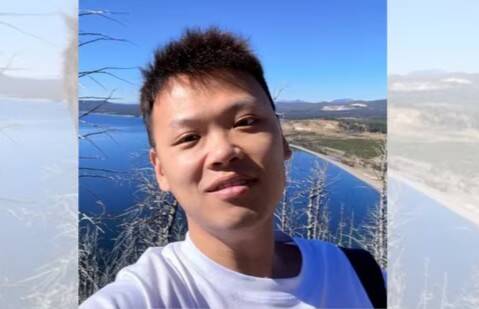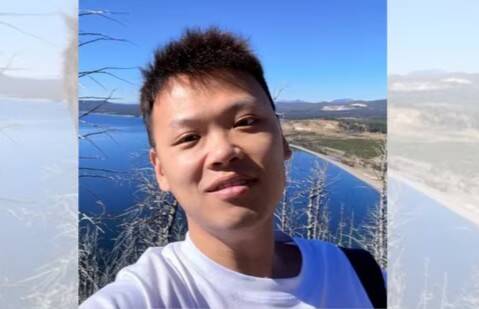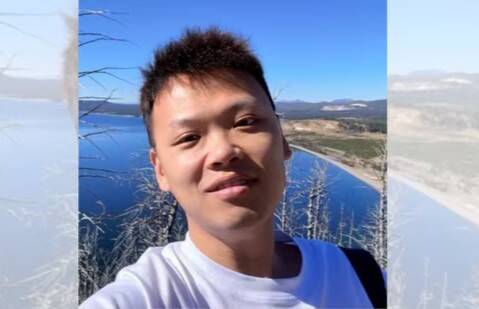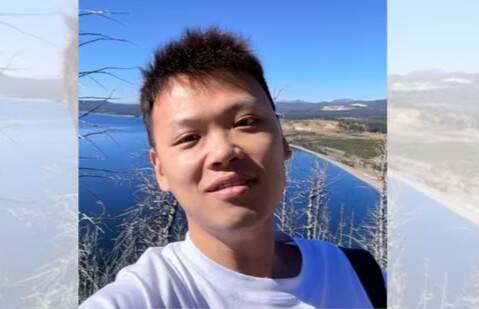
Meta Scientist Zifan Wang on ‘Genius Visa’ Denied Re-Entry into US
The United States has long been a hub for innovation and technological advancement, attracting some of the brightest minds from around the world. However, a recent incident has raised concerns about the country’s immigration policies and their impact on the tech industry. Zifan Wang, a Meta AI researcher, was denied re-entry into the US after a visit to China, despite holding a valid O-1 visa, also known as the “genius visa.” This visa is reserved for individuals with “extraordinary ability” in their field, and Wang had been living and working in the US for seven years.
Wang took to social media to express his frustration and disappointment at being denied re-entry into the country. He had been working at Meta, a leading tech company, on a project related to artificial intelligence. His work had been deemed essential to the company, and he had been granted an O-1 visa, which is typically given to individuals who have achieved extraordinary success in their field. However, despite his credentials and contributions to the US tech industry, Wang was denied re-entry into the country.
The O-1 visa is a non-immigrant visa that allows individuals with extraordinary ability in fields such as science, technology, engineering, and mathematics (STEM) to work in the US. To qualify for an O-1 visa, an individual must demonstrate that they have achieved a high level of success in their field, as evidenced by awards, publications, and other recognition. Wang had met these criteria, having worked on several high-profile projects and published research papers in top-tier journals.
Wang’s denial of re-entry into the US has sparked concerns about the country’s immigration policies and their impact on the tech industry. The US has long been a leader in innovation and technological advancement, but the current immigration policies may be driving away top talent. The O-1 visa program is designed to attract and retain individuals with extraordinary ability, but the denial of re-entry to someone like Wang, who has made significant contributions to the US tech industry, raises questions about the effectiveness of this program.
The incident also highlights the challenges faced by international students and workers in the US. Many individuals come to the US to pursue higher education or work opportunities, but they often face uncertainty and insecurity due to the country’s complex and ever-changing immigration policies. The denial of re-entry to someone like Wang, who had been living and working in the US for seven years, demonstrates the arbitrary nature of these policies and the potential consequences for individuals who have built their lives in the US.
In response to his denial of re-entry, Wang announced that he would be moving to London instead. This decision is likely to have significant implications for the US tech industry, as Wang’s skills and expertise will now be contributing to the UK’s economy. The loss of top talent like Wang can have long-term consequences for the US tech industry, as it may struggle to attract and retain the best and brightest minds from around the world.
The incident also raises questions about the impact of US immigration policies on the country’s competitiveness in the global tech industry. The US has long been a leader in innovation and technological advancement, but the current immigration policies may be driving away top talent and undermining the country’s competitiveness. As other countries, such as the UK and Canada, implement more welcoming immigration policies, the US may find itself at a disadvantage in attracting and retaining the best and brightest minds from around the world.
In conclusion, the denial of re-entry to Meta scientist Zifan Wang highlights the challenges and uncertainties faced by international students and workers in the US. The incident raises concerns about the country’s immigration policies and their impact on the tech industry, as well as the potential consequences for individuals who have built their lives in the US. As the US continues to grapple with the complexities of immigration reform, it is essential to consider the impact of these policies on the country’s competitiveness in the global tech industry.
About the Author