Nagaland University discovers new plant species in state
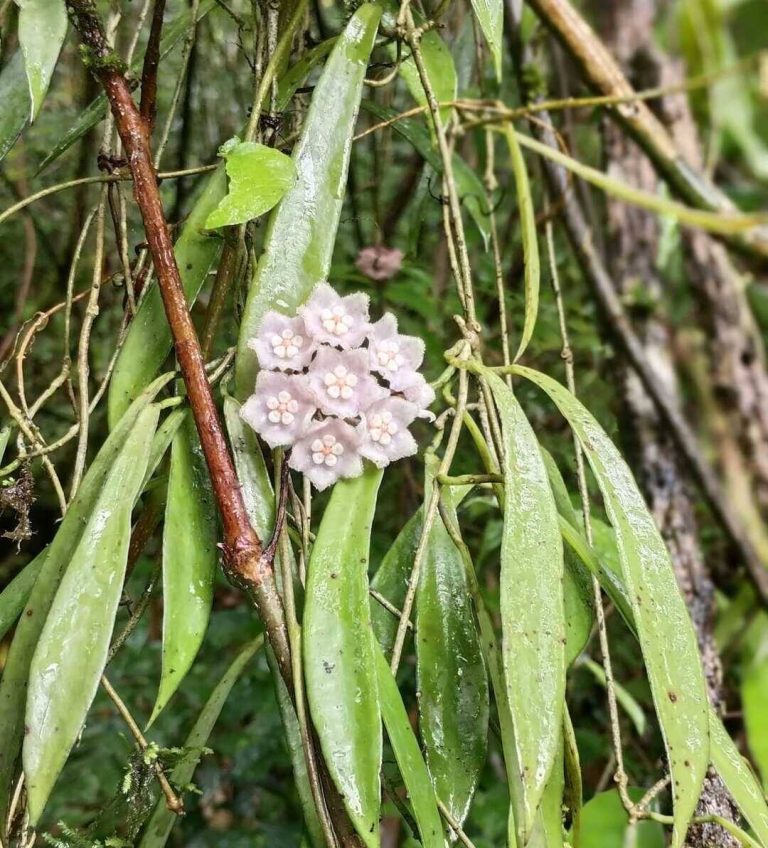
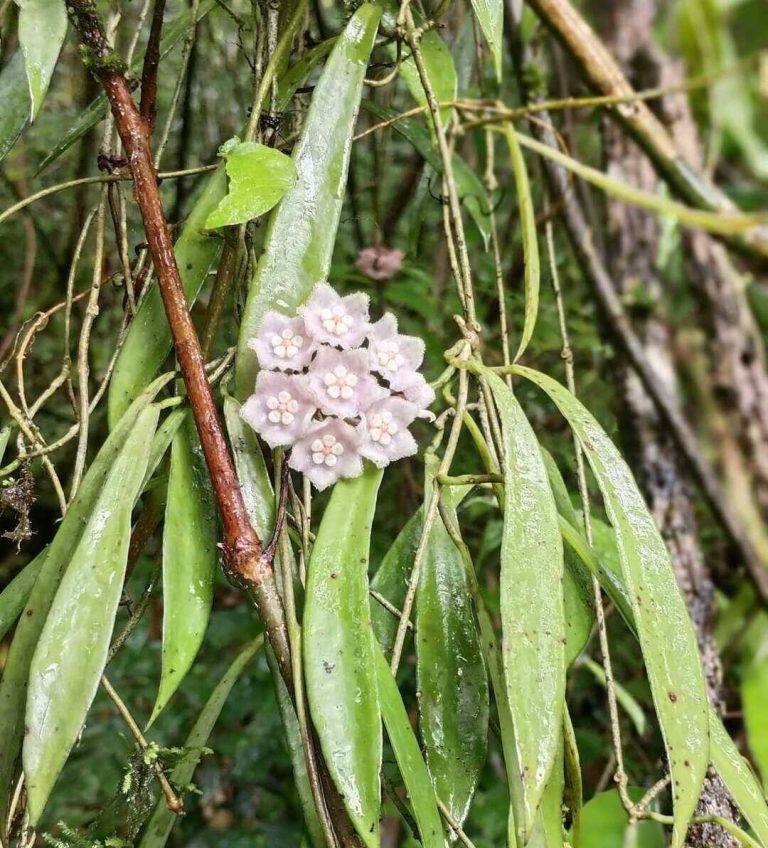
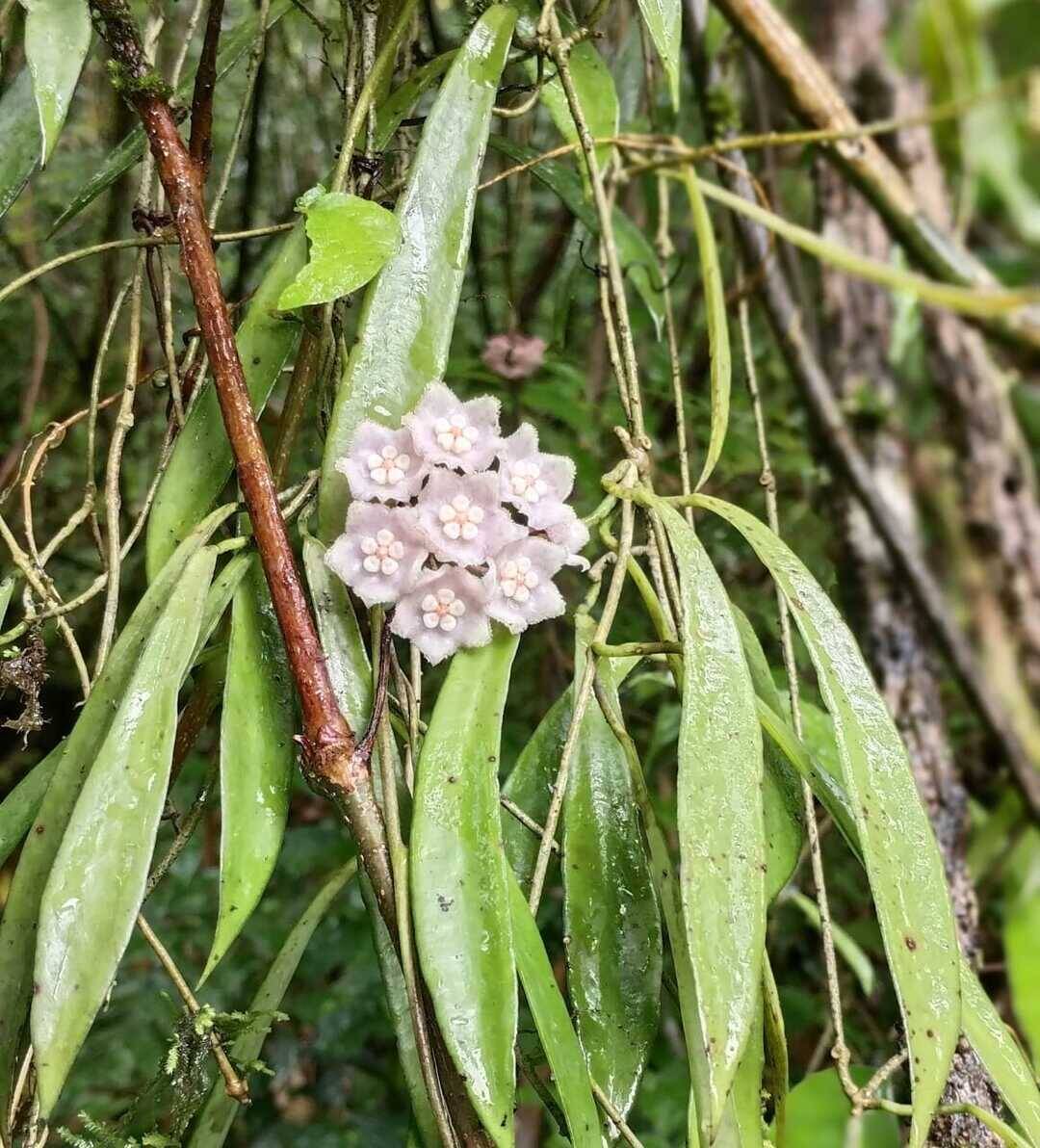
In a groundbreaking discovery, scientists from Nagaland University have identified a new plant species, Hoya nagaensis, in the community-protected high-altitude forests of Nagaland. The finding, which was made in the Phek district, highlights the region’s rich but under-explored biodiversity and underscores the crucial role of indigenous forest conservation practices. The newly discovered species has been provisionally listed as Critically Endangered, emphasizing the need for urgent conservation efforts to protect this unique plant.
The discovery of Hoya nagaensis is a significant milestone for the scientific community, as it showcases the vast and unexplored biodiversity of Nagaland. The state, located in the northeastern part of India, is home to a wide range of flora and fauna, much of which remains undocumented. The region’s unique geography, with its high-altitude forests, rugged terrain, and diverse climatic conditions, creates an ideal environment for the growth of a wide range of plant species.
The team of scientists from Nagaland University, led by renowned botanist Dr. [Name], conducted an extensive survey of the community-protected forests in Phek district. The survey, which was carried out over several months, involved the collection and analysis of plant samples, as well as consultations with local communities and indigenous groups. The discovery of Hoya nagaensis was made possible through the collaborative efforts of the scientific team and the local communities, who provided valuable insights into the region’s flora and fauna.
Hoya nagaensis is a member of the Apocynaceae family, which includes a wide range of plant species commonly known as milkweeds or dogbanes. The new species is characterized by its distinctive leaf shape, flower structure, and growth habits. The plant is found to thrive in the high-altitude forests of Phek district, where it grows on trees and rocks, using its aerial roots to absorb nutrients and water.
The provisional listing of Hoya nagaensis as Critically Endangered highlights the urgent need for conservation efforts to protect this unique plant species. The main threats to the species include habitat destruction, over-collection, and climate change, which can alter the delicate balance of the ecosystem and push the species towards extinction. The conservation of Hoya nagaensis requires a multi-faceted approach, involving the protection of its habitat, education and awareness-raising among local communities, and ex-situ conservation efforts, such as the establishment of seed banks and botanical gardens.
The discovery of Hoya nagaensis also underscores the importance of indigenous forest conservation practices, which have played a crucial role in protecting the region’s biodiversity. The community-protected forests of Nagaland, which cover a significant portion of the state, are managed and protected by local communities, who have developed unique conservation practices and traditional knowledge systems over centuries. These practices, which include the protection of sacred groves, the regulation of hunting and gathering, and the maintenance of forest corridors, have helped to maintain the health and integrity of the ecosystem, allowing plant species like Hoya nagaensis to thrive.
The discovery of Hoya nagaensis is a significant achievement for Nagaland University, which has been at the forefront of scientific research and conservation efforts in the region. The university’s botanical department, which is equipped with state-of-the-art facilities and a team of experienced researchers, has been actively involved in the documentation and conservation of the region’s flora. The discovery of the new plant species is a testament to the university’s commitment to advancing scientific knowledge and promoting conservation efforts in the region.
In conclusion, the discovery of Hoya nagaensis is a groundbreaking finding that highlights the rich biodiversity of Nagaland and the importance of indigenous forest conservation practices. The provisional listing of the species as Critically Endangered emphasizes the need for urgent conservation efforts to protect this unique plant. As we move forward, it is essential that we prioritize the conservation of Hoya nagaensis and the ecosystem it inhabits, through a collaborative effort involving scientists, local communities, and policymakers. By working together, we can ensure the long-term protection of this incredible plant species and the rich biodiversity of Nagaland.
About the Author