Nagaland University discovers new plant species in state
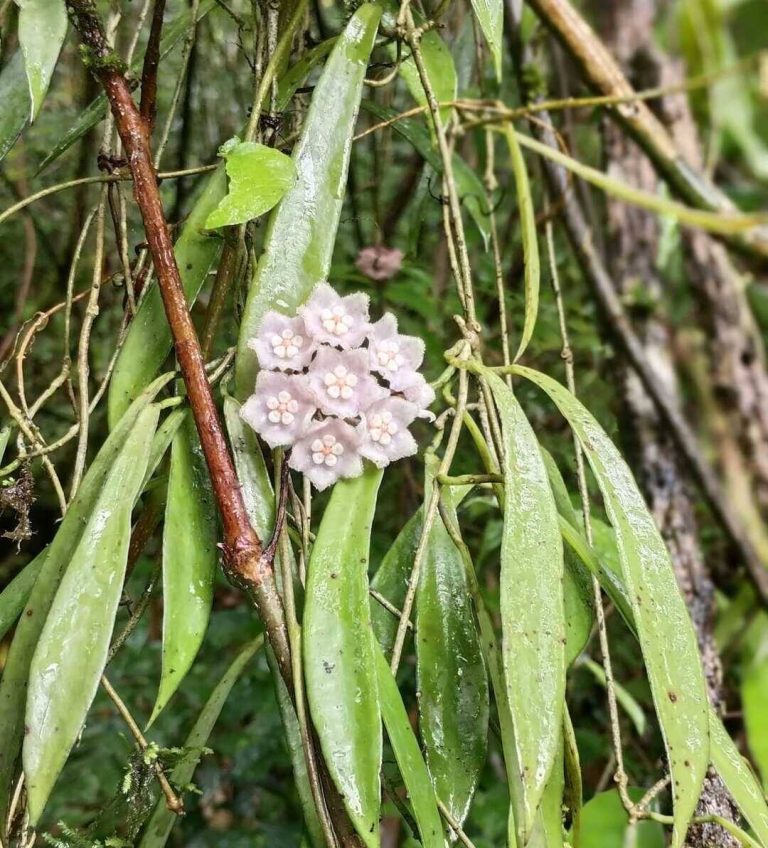
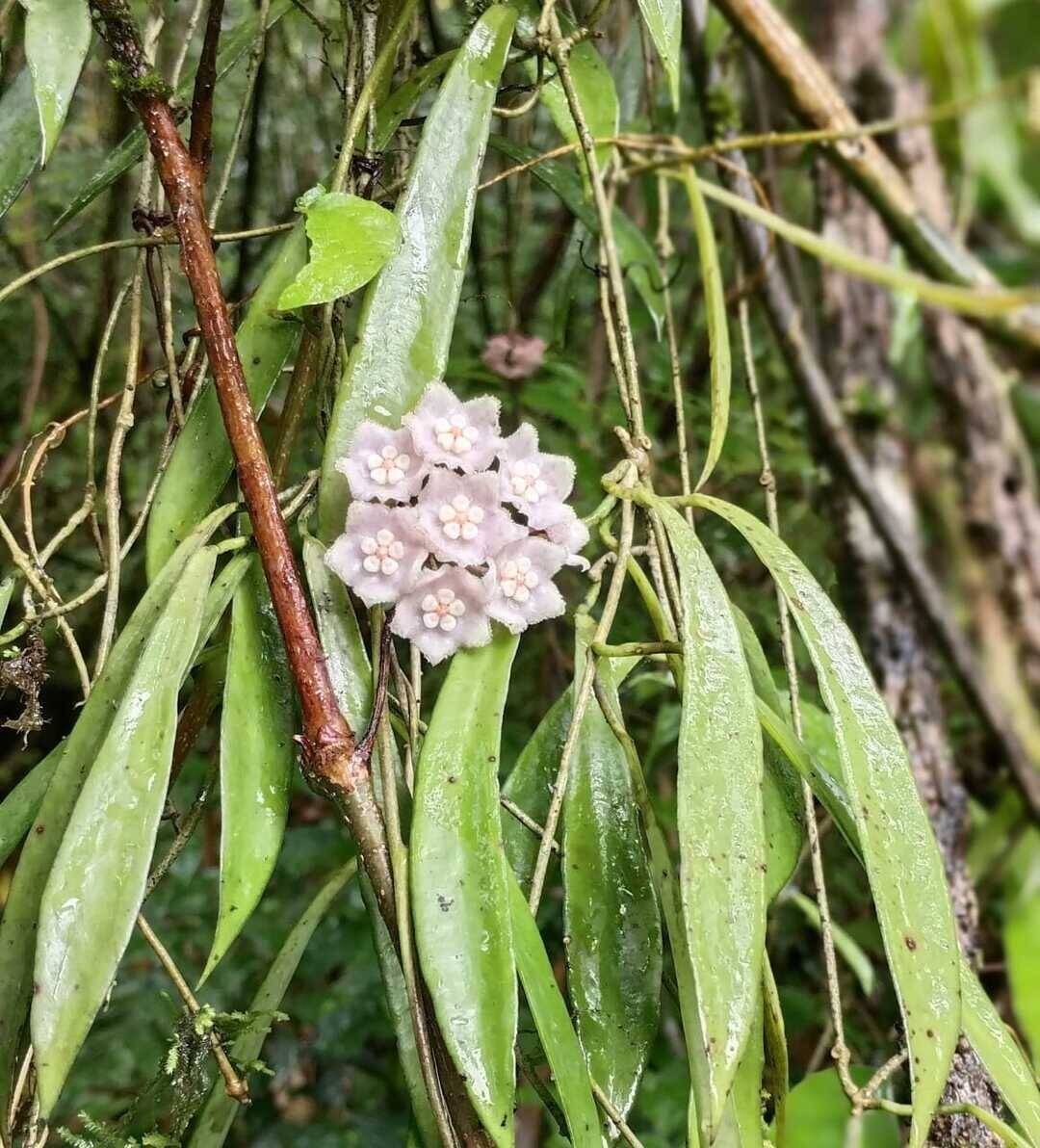
In a groundbreaking discovery, scientists from Nagaland University have identified a new plant species, Hoya nagaensis, in the community-protected high-altitude forests of Nagaland. The species, found in the Phek district, has been provisionally listed as Critically Endangered, highlighting the urgent need for conservation efforts to protect this unique and fragile ecosystem. This remarkable finding not only underscores the region’s rich biodiversity but also emphasizes the crucial role of indigenous forest conservation practices in preserving the natural world.
The discovery of Hoya nagaensis is a significant milestone in the field of botany, as it sheds light on the vast and unexplored plant diversity of Nagaland. The state, located in the northeastern part of India, is home to a wide range of flora and fauna, much of which remains unknown to the scientific community. The high-altitude forests of Nagaland, in particular, are a treasure trove of biodiversity, with many species found nowhere else in the world.
The team of scientists from Nagaland University, led by renowned botanist Dr. [Name], conducted an exhaustive survey of the community-protected forests in Phek district. The survey, which spanned several months, involved a thorough examination of the plant species found in the area, including their morphology, anatomy, and molecular characteristics. The team’s meticulous efforts ultimately led to the identification of Hoya nagaensis, a plant species that is distinct from any other known species in the genus Hoya.
Hoya nagaensis is a climbing plant that grows up to 5 meters in length, with thick, waxy leaves and white, fragrant flowers. The species is found in the high-altitude forests of Phek district, where it thrives in the cool, humid climate. The plant’s unique characteristics and limited geographic range make it an exciting discovery for botanists and conservationists alike.
The provisional listing of Hoya nagaensis as Critically Endangered is a cause for concern, as it highlights the species’ vulnerability to extinction. The main threats to the species’ survival include habitat loss and degradation, due to activities such as deforestation, mining, and construction. Climate change also poses a significant threat, as it alters the delicate balance of the ecosystem and disrupts the plant’s growth patterns.
The discovery of Hoya nagaensis also underscores the importance of indigenous forest conservation practices in preserving biodiversity. The community-protected forests of Nagaland, where the species was found, are a testament to the effectiveness of community-led conservation efforts. For generations, the local communities have protected and managed these forests, using traditional practices that ensure the long-term sustainability of the ecosystem.
The conservation of Hoya nagaensis and its habitat is crucial, not only for the species’ survival but also for the well-being of the local communities that depend on the forest ecosystem. The Nagaland University team is working closely with local stakeholders, including community leaders and conservation organizations, to develop a conservation plan that addresses the species’ specific needs and threats.
The discovery of Hoya nagaensis is a significant achievement for Nagaland University and the scientific community as a whole. It highlights the importance of continued exploration and research into the natural world, particularly in under-explored regions like Nagaland. The finding also emphasizes the need for collaborative conservation efforts, involving local communities, scientists, and policymakers, to protect the rich biodiversity of the region.
As we celebrate this remarkable discovery, we are reminded of the vast and unexplored natural world that surrounds us. The discovery of Hoya nagaensis is a call to action, urging us to protect and preserve the delicate balance of our ecosystem, for the benefit of both humans and the planet.
In conclusion, the discovery of Hoya nagaensis is a groundbreaking finding that highlights the rich biodiversity of Nagaland and the importance of indigenous forest conservation practices. As we move forward, it is essential that we prioritize the conservation of this unique species and its habitat, working together to ensure the long-term sustainability of the ecosystem.
About the Author