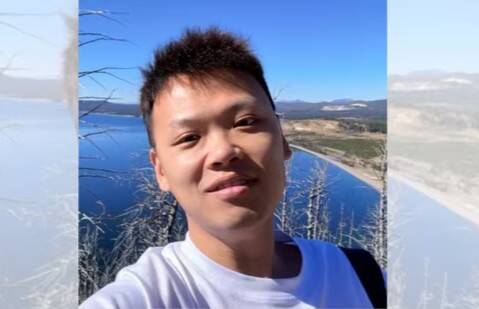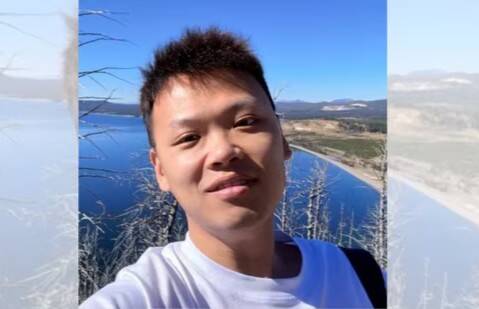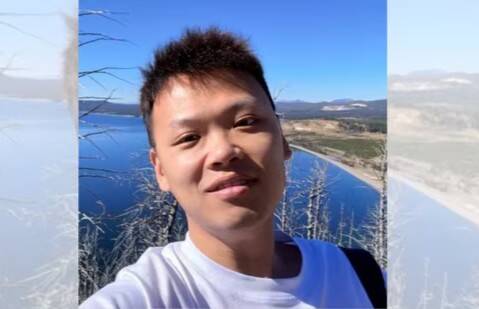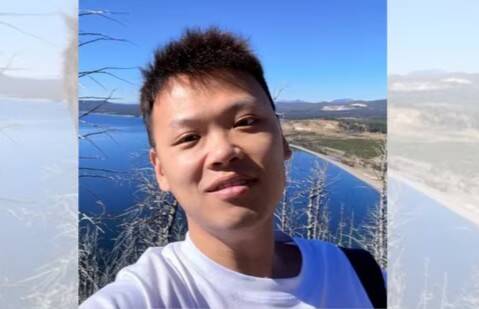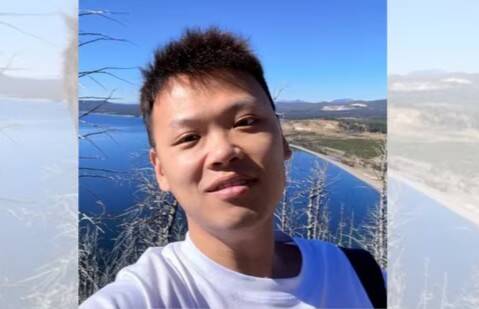
Meta Scientist Zifan Wang on ‘Genius Visa’ Denied Re-Entry into US
The United States has long been a hub for innovation and technological advancements, attracting top talent from around the world. However, a recent incident has raised concerns about the country’s immigration policies and their impact on the tech industry. Zifan Wang, a Meta AI researcher, was denied re-entry into the US after returning from a visit to China, despite holding a valid O-1 visa. The news has sparked a heated debate about the treatment of highly skilled immigrants and the potential consequences for the US tech sector.
Wang, who had been living in the US for seven years, was working legally on an O-1 visa, also known as the “genius visa.” This type of visa is reserved for individuals of “extraordinary ability” in fields such as science, technology, engineering, and mathematics (STEM). The O-1 visa is designed to attract top talent from around the world, allowing them to work in the US and contribute to the country’s innovation and economic growth.
However, Wang’s experience has highlighted the challenges and uncertainties faced by many highly skilled immigrants in the US. Despite his valid visa and seven years of living and working in the country, Wang was denied re-entry into the US after a trip to China. The reason for the denial was not specified, but it has sparked concerns about the arbitrary nature of US immigration policies.
Wang took to social media to express his frustration and disappointment, announcing that he would be moving to London instead. The news has been met with shock and outrage from the tech community, with many expressing concerns about the potential brain drain and the impact on the US tech industry.
The incident has also raised questions about the treatment of highly skilled immigrants in the US. Many have argued that the country’s immigration policies are overly restrictive and often arbitrary, making it difficult for talented individuals to contribute to the US economy. The O-1 visa, in particular, is a complex and highly competitive process, requiring applicants to demonstrate extraordinary ability and achievement in their field.
The denial of Wang’s re-entry into the US has also sparked concerns about the potential consequences for the US tech sector. The country has long been a leader in technological innovation, but the loss of top talent could have significant implications for its competitive edge. Many have argued that the US needs to reform its immigration policies to attract and retain top talent, rather than driving them away.
Wang’s decision to move to London is not an isolated incident. Many highly skilled immigrants have been forced to leave the US due to immigration restrictions and uncertainties. The UK, in particular, has been actively courting top talent from around the world, offering more favorable immigration policies and a more welcoming environment.
The incident has also highlighted the need for greater transparency and consistency in US immigration policies. The O-1 visa process, in particular, is often shrouded in uncertainty, with applicants facing long wait times and arbitrary decisions. Many have argued that the US needs to streamline its immigration processes and provide more clarity and consistency for highly skilled immigrants.
In conclusion, the denial of Zifan Wang’s re-entry into the US has sparked a heated debate about the country’s immigration policies and their impact on the tech industry. The incident has highlighted the challenges and uncertainties faced by many highly skilled immigrants in the US, and the potential consequences for the US tech sector. As the US continues to compete for top talent in the global economy, it is essential that the country reforms its immigration policies to attract and retain the best and brightest from around the world.
About the Author