Nagaland University discovers new plant species in state
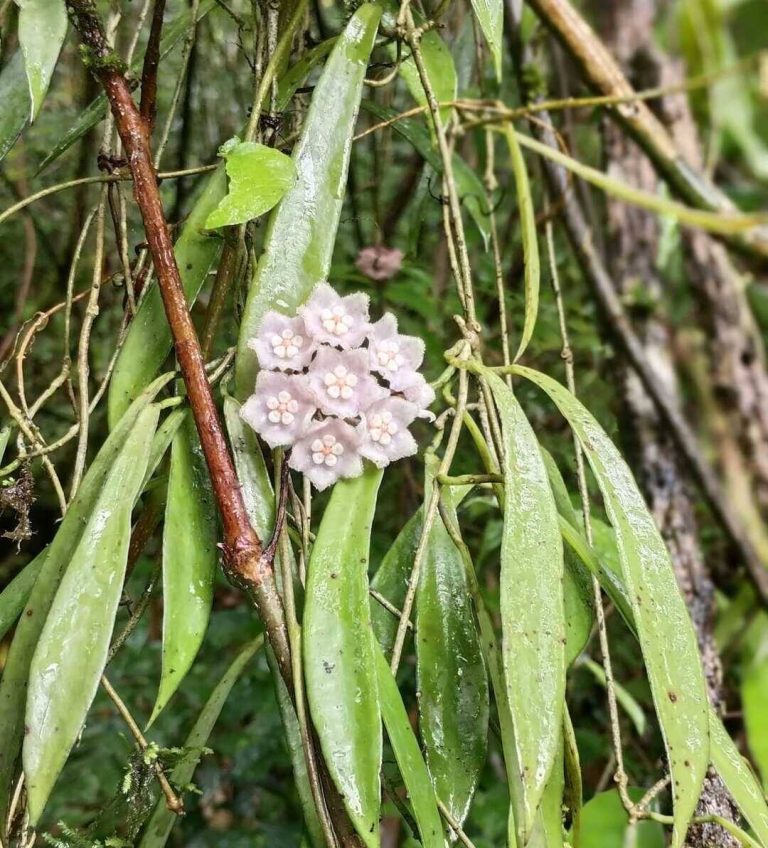
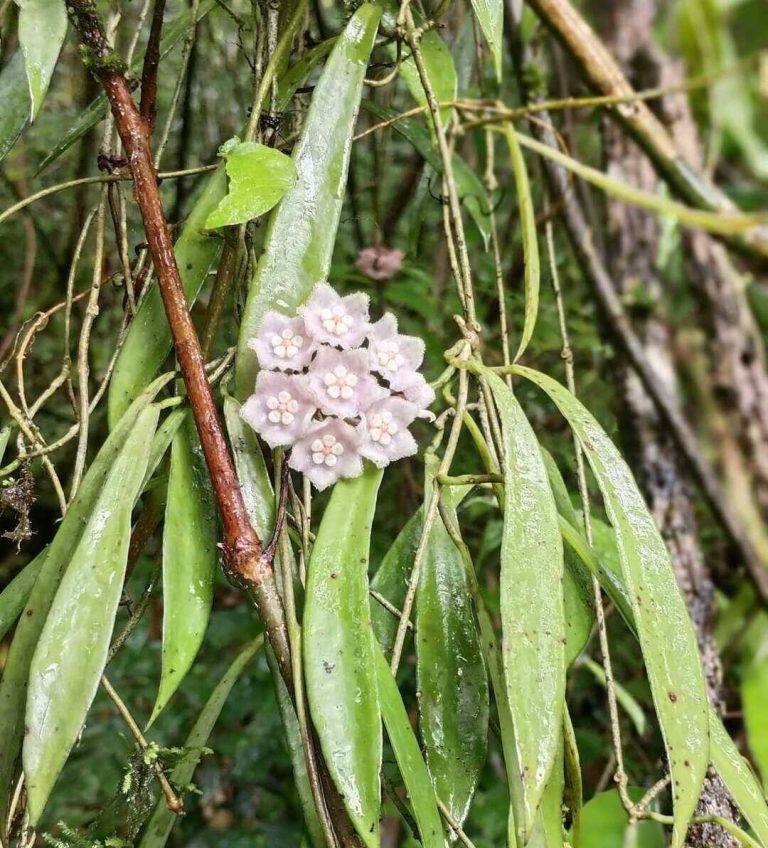
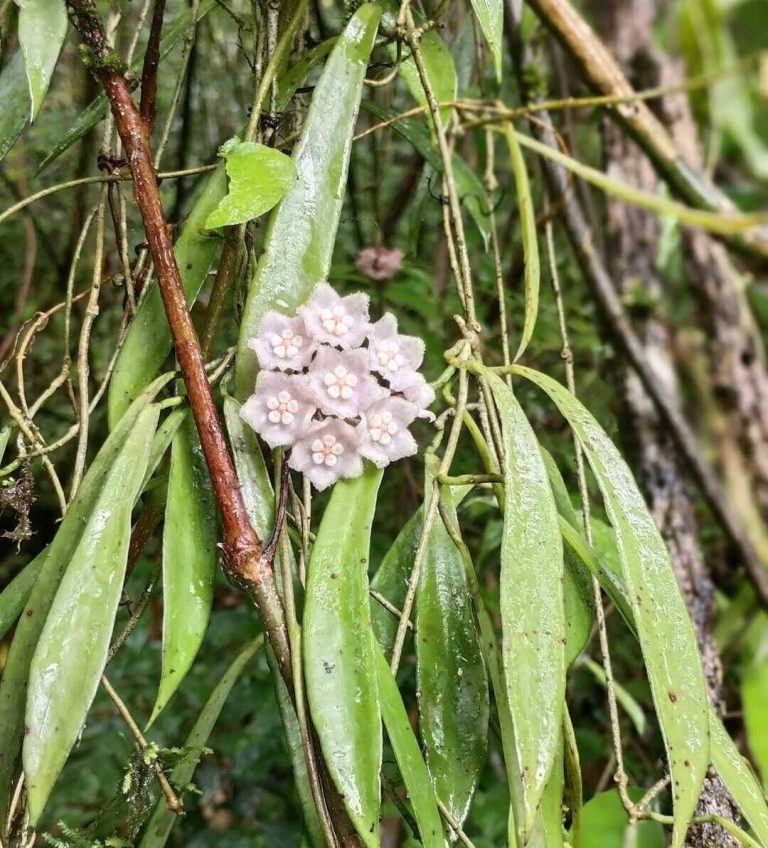
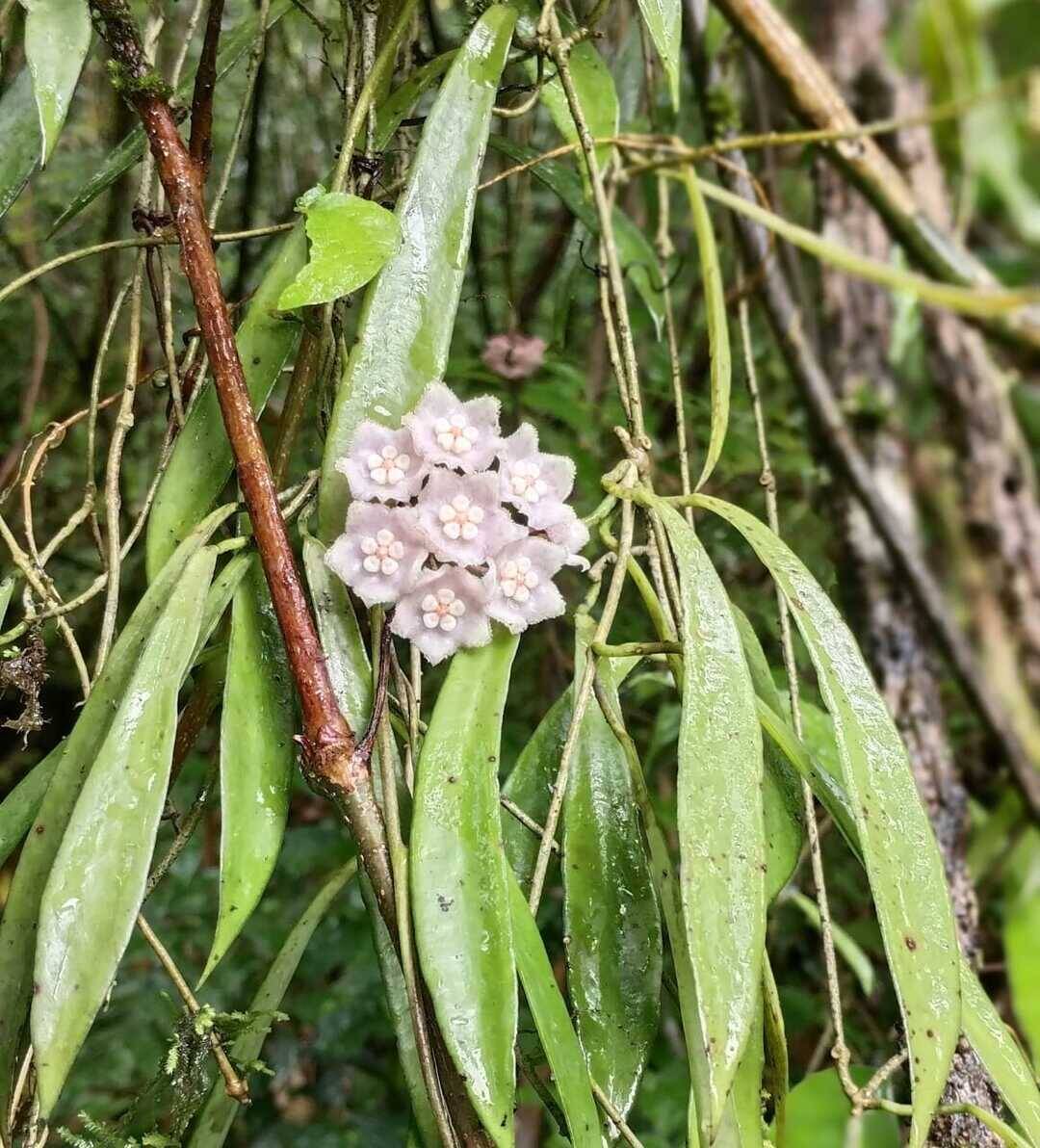
In a groundbreaking discovery, scientists from Nagaland University have identified a new plant species, Hoya nagaensis, in the community-protected high-altitude forests of Nagaland. The finding, which was made in the Phek district, highlights the region’s rich but under-explored biodiversity and underscores the crucial role of indigenous forest conservation practices. The newly discovered species has been provisionally listed as Critically Endangered, emphasizing the need for urgent conservation efforts to protect this unique plant.
The discovery was made by a team of researchers from Nagaland University, who have been conducting extensive fieldwork in the state’s high-altitude forests. The team, led by Dr. [Name], a renowned botanist, had been studying the flora of the region for several years before stumbling upon the new species. According to Dr. [Name], the discovery was a result of a combination of traditional knowledge and modern scientific techniques.
“We have been working with local communities to document their traditional knowledge of the forest and its plants,” Dr. [Name] explained. “The local people have a deep understanding of the forest ecosystem and have been conserving it for generations. Our team used this traditional knowledge to identify areas of high conservation value and conducted thorough field surveys to document the plant species found in these areas.”
The new species, Hoya nagaensis, is a member of the Apocynaceae family, which includes a wide range of plant species commonly known as milkweeds or dogbanes. The plant is characterized by its unique leaf shape and flower structure, which sets it apart from other known species in the genus. According to the researchers, the plant has adapted to the high-altitude environment of the Phek district, where it grows in rocky outcrops and scrublands.
The discovery of Hoya nagaensis is significant not only because it highlights the region’s rich biodiversity but also because it underscores the importance of community-led conservation efforts. The plant was found in community-protected forests, which are areas of forest that are managed and conserved by local communities. These forests are often rich in biodiversity and provide a range of ecosystem services, including water regulation, soil conservation, and carbon sequestration.
“The discovery of this new species is a testament to the effectiveness of community-led conservation efforts,” said Dr. [Name]. “The local communities have been protecting these forests for generations, and their efforts have helped to conserve a wide range of plant and animal species. This discovery highlights the importance of supporting and strengthening community-led conservation initiatives, which are critical for protecting the region’s biodiversity.”
The provisional listing of Hoya nagaensis as Critically Endangered emphasizes the need for urgent conservation efforts to protect this unique plant. The species is found in a limited geographic range, and its population is estimated to be small. The main threats to the species include habitat loss and degradation, over-collection for medicinal purposes, and climate change.
To address these threats, the researchers are working with local communities and government agencies to develop a conservation plan for the species. The plan includes measures such as habitat protection, ex situ conservation, and education and awareness-raising programs.
The discovery of Hoya nagaensis is a significant breakthrough in the field of botany and highlights the importance of exploring and documenting the region’s rich biodiversity. The finding also underscores the crucial role of indigenous forest conservation practices in protecting the region’s unique plant and animal species.
As the world grapples with the challenges of climate change, biodiversity loss, and ecosystem degradation, the discovery of Hoya nagaensis serves as a reminder of the importance of conserving and protecting the natural world. The discovery is a testament to the power of community-led conservation efforts and highlights the need for urgent action to protect the region’s rich biodiversity.
In conclusion, the discovery of Hoya nagaensis is a significant finding that highlights the region’s rich biodiversity and underscores the importance of community-led conservation efforts. The provisional listing of the species as Critically Endangered emphasizes the need for urgent conservation efforts to protect this unique plant. As we move forward, it is essential that we support and strengthen community-led conservation initiatives, which are critical for protecting the region’s biodiversity.
About the Author