Nagaland University discovers new plant species in state
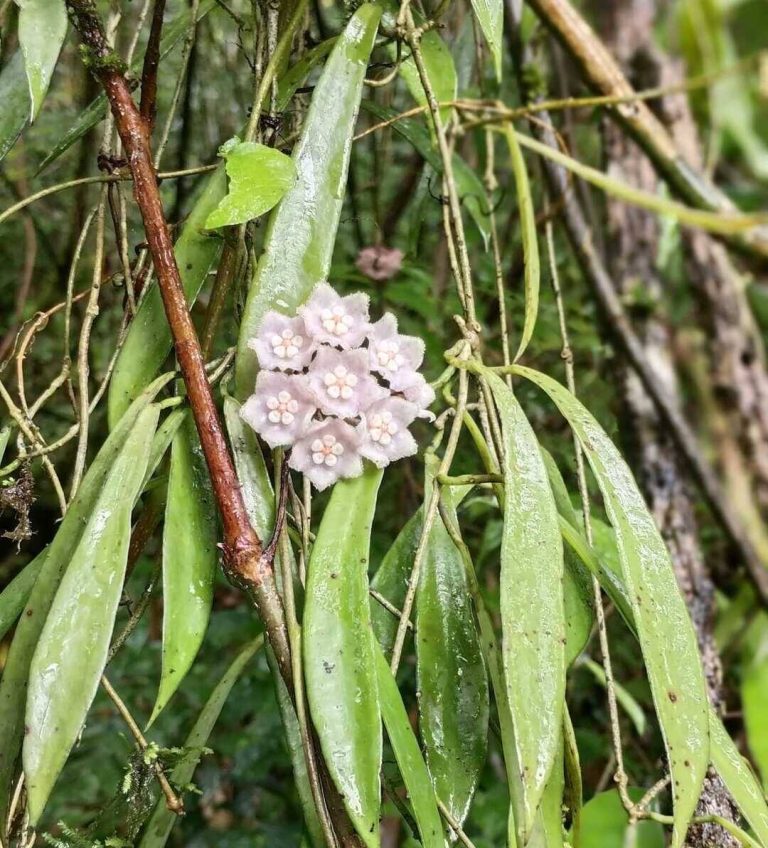
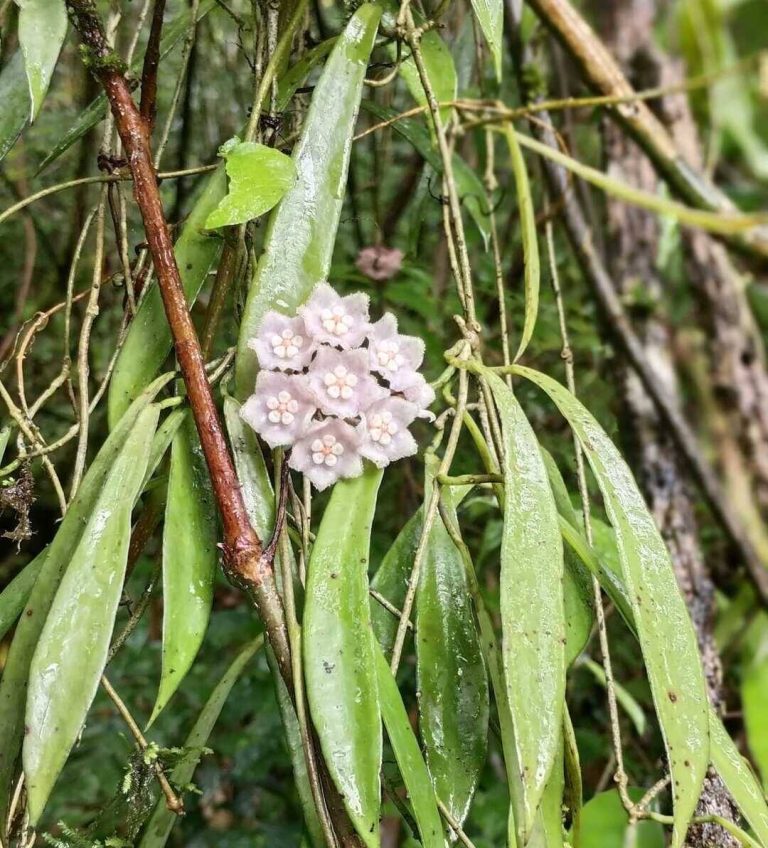
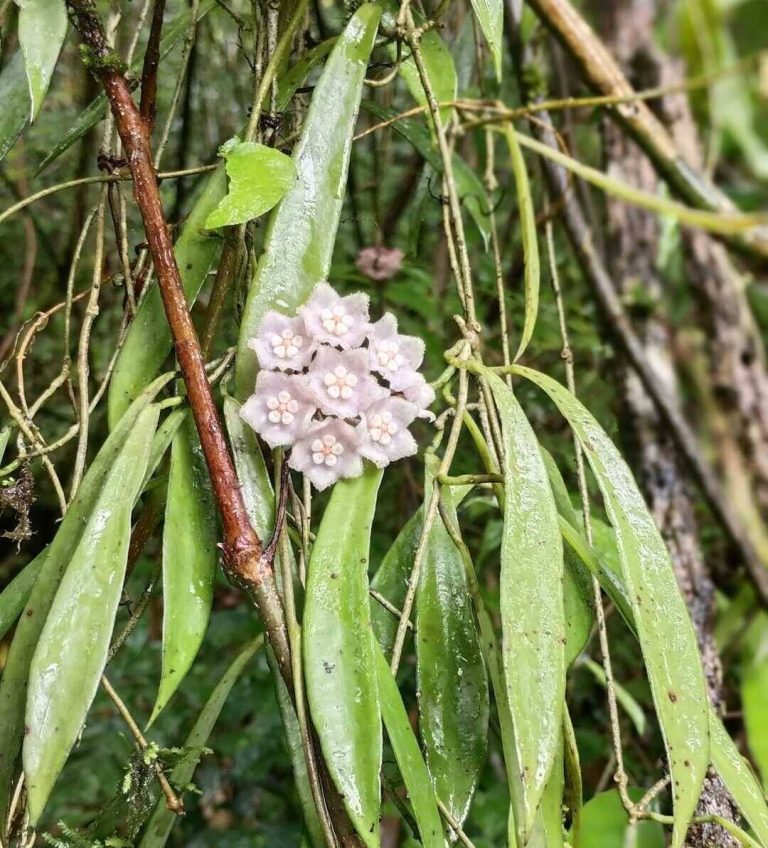
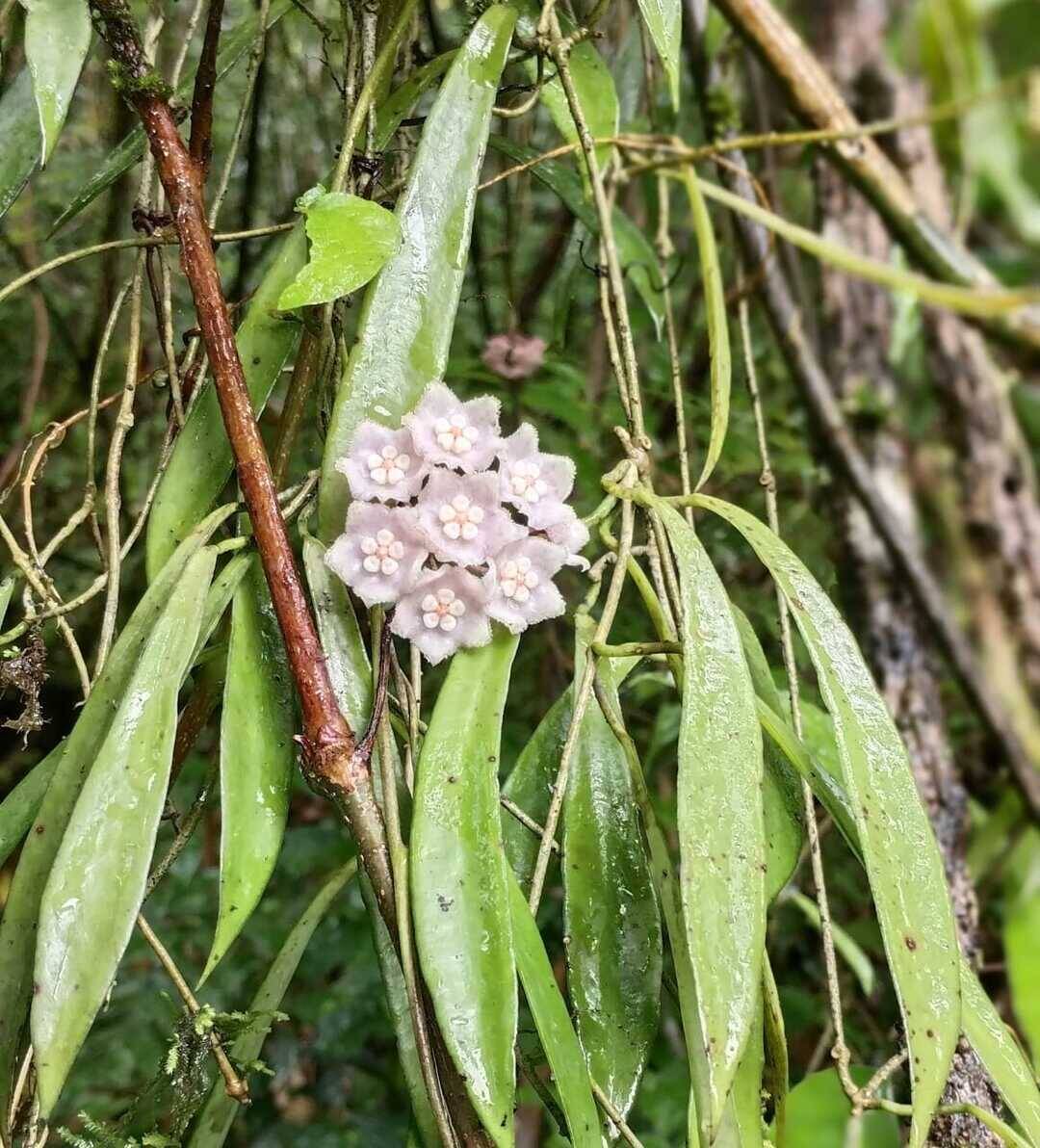
In a groundbreaking discovery, scientists from Nagaland University have identified a new plant species, Hoya nagaensis, in the community-protected high-altitude forests of Nagaland. The species, found in the Phek district, has been provisionally listed as Critically Endangered, highlighting the urgent need for conservation efforts to protect this rare and unique plant. This remarkable find not only underscores the rich biodiversity of the region but also emphasizes the crucial role of indigenous forest conservation practices in preserving the natural heritage of Nagaland.
The discovery of Hoya nagaensis is a significant milestone in the field of botany, as it sheds light on the vast and unexplored plant diversity of Nagaland. The state, located in the northeastern part of India, is home to a wide range of flora and fauna, thanks to its unique geography and climate. The region’s high-altitude forests, in particular, are known for their exceptional biodiversity, with many plant species found nowhere else in the world.
The team of scientists from Nagaland University, led by renowned botanist Dr. [Name], conducted an exhaustive survey of the community-protected forests in Phek district, which led to the discovery of Hoya nagaensis. The species was found growing in the wild, in a remote and inaccessible area of the forest, at an altitude of over 2,000 meters above sea level. The plant’s unique characteristics, including its distinctive leaves and flowers, set it apart from other known species of the Hoya genus.
The provisional listing of Hoya nagaensis as Critically Endangered is a cause for concern, as it highlights the vulnerability of the species to extinction. The main threats to the species include habitat loss and degradation, due to encroachment and unsustainable land-use practices. Climate change is also a significant threat, as it alters the delicate balance of the ecosystem and affects the plant’s ability to survive and thrive.
The discovery of Hoya nagaensis also underscores the importance of community-protected forests in conserving biodiversity. The forests where the species was found are managed and protected by local communities, who have traditionally conserved the area for its ecological and cultural significance. The involvement of local communities in forest conservation is crucial, as it ensures that the forests are managed in a sustainable and responsible manner, taking into account the needs of both the environment and the people.
The discovery of Hoya nagaensis is a testament to the rich but under-explored biodiversity of Nagaland. The state is home to many unique and endemic species, which are found nowhere else in the world. The region’s biodiversity is a valuable asset, not only for the state but also for the country as a whole. It is essential to conserve and protect this biodiversity, not only for its ecological significance but also for its cultural and economic importance.
The discovery of Hoya nagaensis also highlights the need for further research and exploration of the region’s biodiversity. Nagaland is a relatively unexplored region, and much of its biodiversity remains undocumented. Further studies are needed to fully understand the extent of the region’s biodiversity and to identify areas that require conservation efforts.
In conclusion, the discovery of Hoya nagaensis is a significant milestone in the field of botany, and it highlights the rich biodiversity of Nagaland. The provisional listing of the species as Critically Endangered emphasizes the need for urgent conservation efforts to protect this rare and unique plant. The discovery also underscores the crucial role of community-protected forests in conserving biodiversity and the importance of involving local communities in forest conservation efforts. As we move forward, it is essential to prioritize the conservation of Nagaland’s biodiversity, not only for the sake of the environment but also for the well-being of the people who depend on it.
News Source: https://hubnetwork.in/nagaland-university-scientists-discover-new-plant-species-in-community-protected-forests/
About the Author