Goa considering Aus-like social media ban for children under 16
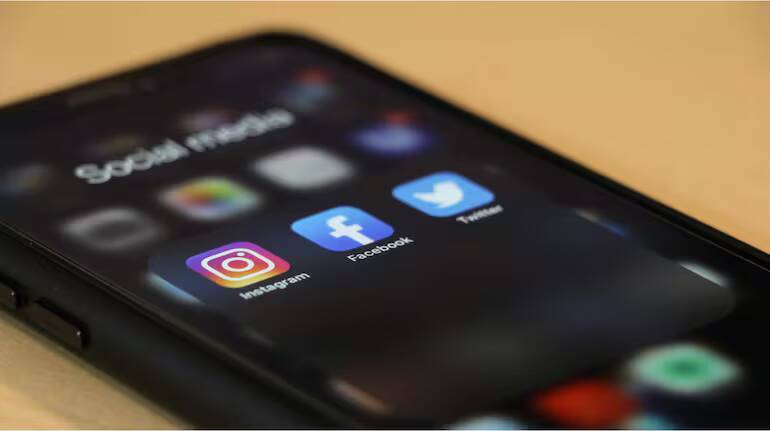
In a bid to protect children from the potential harmful effects of social media, the Goa government is considering implementing a law that would ban social media for children below the age of 16. This move is inspired by a similar law in Australia, where the government has been actively working to regulate the use of social media among minors. According to Tourism and Information Technology (IT) Minister Rohan Khaunte, the decision to introduce such a law in Goa has been prompted by numerous complaints from parents who are concerned about the impact of social media on their children’s lives.
“We’ve had a lot of complaints from parents…social media and some of these platforms are becoming a distraction for children,” Khaunte stated. This concern is not unique to Goa, as Andhra Pradesh is also considering a similar ban on social media for children under 16. The move is aimed at shielding children from the potential risks associated with social media, including cyberbullying, online harassment, and exposure to inappropriate content.
The proposed law would prohibit children under the age of 16 from creating social media accounts, and would also require social media platforms to verify the age of their users. This would help to prevent minors from accessing social media platforms, which are currently designed for users above the age of 13. The law would also hold social media companies accountable for ensuring that their platforms are safe for minors, and would require them to implement measures to prevent online harassment and bullying.
The decision to introduce such a law in Goa is a significant step towards protecting children from the potential risks associated with social media. Social media has become an integral part of modern life, and its impact on children’s lives cannot be ignored. While social media has many benefits, including providing a platform for self-expression and connectivity, it also has its downsides. Cyberbullying, online harassment, and exposure to inappropriate content are just a few of the risks associated with social media, and these can have serious consequences for children’s mental health and well-being.
In recent years, there have been numerous cases of children being bullied and harassed online, with some cases even resulting in suicide. The ease with which social media allows users to create and share content has also made it easier for children to access and share explicit or violent content, which can be damaging to their young minds. Furthermore, social media can be a significant distraction for children, taking away from the time they could be spending on more productive activities, such as studying, playing sports, or engaging in creative pursuits.
The proposed law in Goa is not without its challenges, however. Implementing a ban on social media for children under 16 would require significant resources and infrastructure, including age verification mechanisms and content filtering systems. Additionally, there are concerns about the potential impact on children’s freedom of expression and their ability to access information and educational resources online.
Despite these challenges, the proposed law is a step in the right direction. By regulating the use of social media among minors, the Goa government can help to protect children from the potential risks associated with these platforms. The move is also likely to encourage other states to follow suit, and could potentially lead to a nationwide ban on social media for children under 16.
In conclusion, the Goa government’s decision to consider an Australia-like law banning social media for children under 16 is a significant step towards protecting children from the potential risks associated with social media. While there are challenges to implementing such a law, the benefits of protecting children’s mental health and well-being outweigh the costs. As the use of social media continues to grow and evolve, it is essential that governments take proactive steps to regulate its use among minors, and ensure that social media companies are held accountable for providing a safe and secure online environment for all users.
About the Author