Nagaland University discovers new plant species in state
In a groundbreaking discovery, scientists from Nagaland University have identified a new plant species, Hoya nagaensis, in the community-protected high-altitude forests of Nagaland. The finding was made in the Phek district, a region known for its rich biodiversity and traditional conservation practices. The new species has been provisionally listed as Critically Endangered, highlighting the urgent need for conservation efforts to protect this unique plant and its habitat.
The discovery of Hoya nagaensis is a significant milestone in the field of botanical research, showcasing the vast and unexplored biodiversity of Nagaland. The state, located in the northeastern part of India, is home to a wide range of flora and fauna, much of which remains undocumented. The region’s unique geography, with its high-altitude forests, grasslands, and wetlands, creates a complex ecosystem that supports a diverse array of plant and animal species.
The research team from Nagaland University, led by [researcher’s name], conducted an extensive survey of the community-protected forests in Phek district to identify and document the region’s plant species. The team used a combination of traditional taxonomy and modern molecular techniques to analyze the plant’s morphology, anatomy, and DNA. The results confirmed that Hoya nagaensis is a distinct species, previously unknown to science.
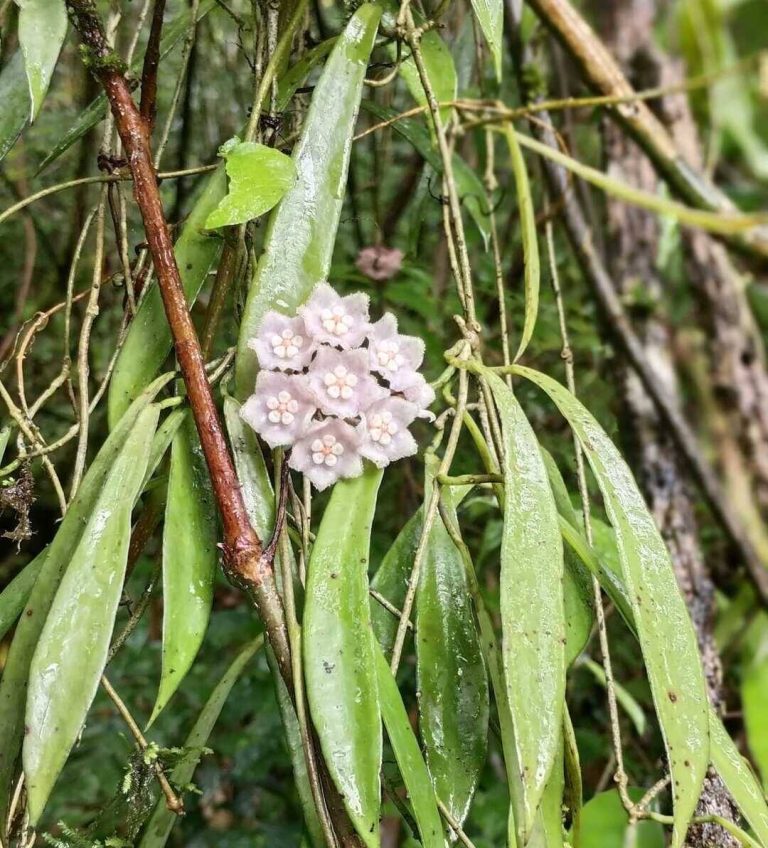
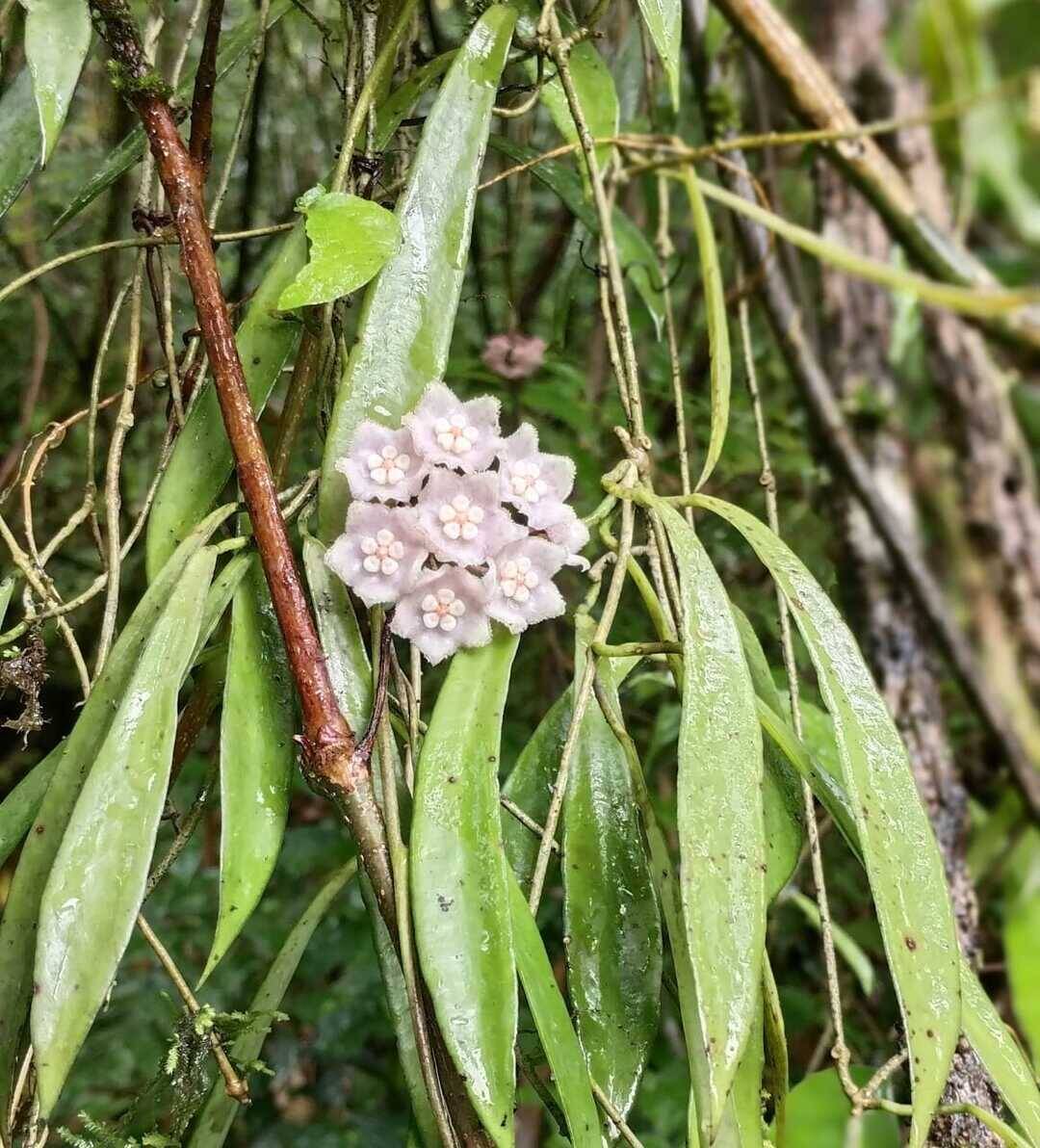
Hoya nagaensis is a climbing plant that belongs to the Apocynaceae family. It has thick, waxy leaves and produces small, white flowers with a sweet fragrance. The plant is found in the high-altitude forests of Phek district, where it grows on trees and rocks. The species is adapted to the region’s cool, humid climate and is able to thrive in areas with low soil quality.
The discovery of Hoya nagaensis highlights the importance of community-protected forests in conserving biodiversity. The forests in Phek district are managed by local communities, who have traditionally protected and conserved the area’s natural resources. The community’s conservation efforts have created a safe haven for the new species, allowing it to thrive in its natural habitat.
However, the provisional listing of Hoya nagaensis as Critically Endangered highlights the urgent need for conservation efforts to protect the species and its habitat. The plant is threatened by habitat loss and degradation, primarily due to deforestation and land conversion for agricultural purposes. Climate change also poses a significant threat to the species, as changing weather patterns and rising temperatures alter the plant’s habitat and disrupt its growth patterns.
To address these threats, conservation efforts are underway to protect Hoya nagaensis and its habitat. The Nagaland University research team is working with local communities, government agencies, and conservation organizations to develop a conservation plan for the species. The plan includes measures to protect the community-protected forests, restore degraded habitats, and promote sustainable land-use practices.
The discovery of Hoya nagaensis also highlights the importance of indigenous knowledge and traditional conservation practices in protecting biodiversity. Local communities in Nagaland have traditionally conserved and managed the region’s natural resources, using their knowledge and skills to maintain the balance of nature. The community-protected forests in Phek district are a testament to the effectiveness of indigenous conservation practices, which have created a safe haven for the new species.
In conclusion, the discovery of Hoya nagaensis is a significant milestone in the field of botanical research, highlighting the rich but under-explored biodiversity of Nagaland. The finding underscores the importance of community-protected forests and indigenous conservation practices in protecting biodiversity. As conservation efforts get underway to protect the species and its habitat, it is essential to recognize the crucial role that local communities play in maintaining the balance of nature. By working together with local communities, government agencies, and conservation organizations, we can ensure the long-term survival of Hoya nagaensis and the conservation of Nagaland’s unique biodiversity.
About the Author