Nagaland University discovers new plant species in state
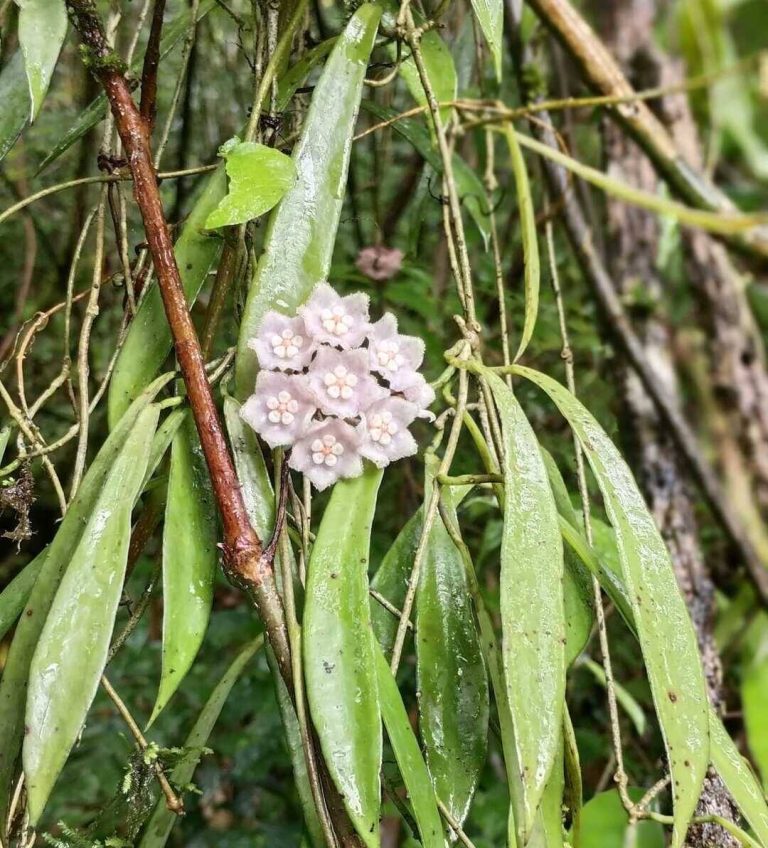
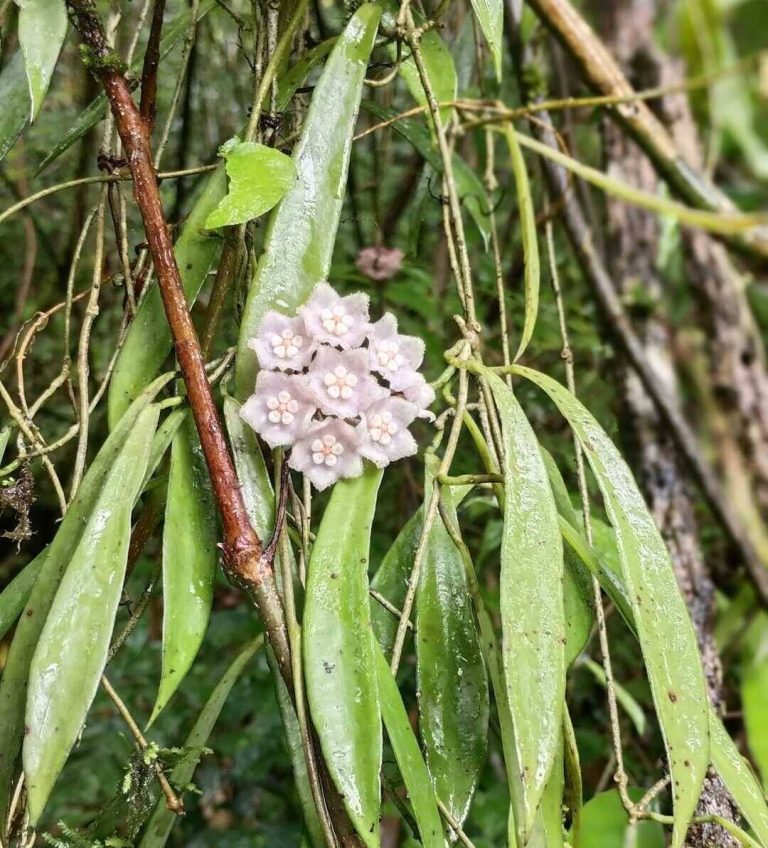
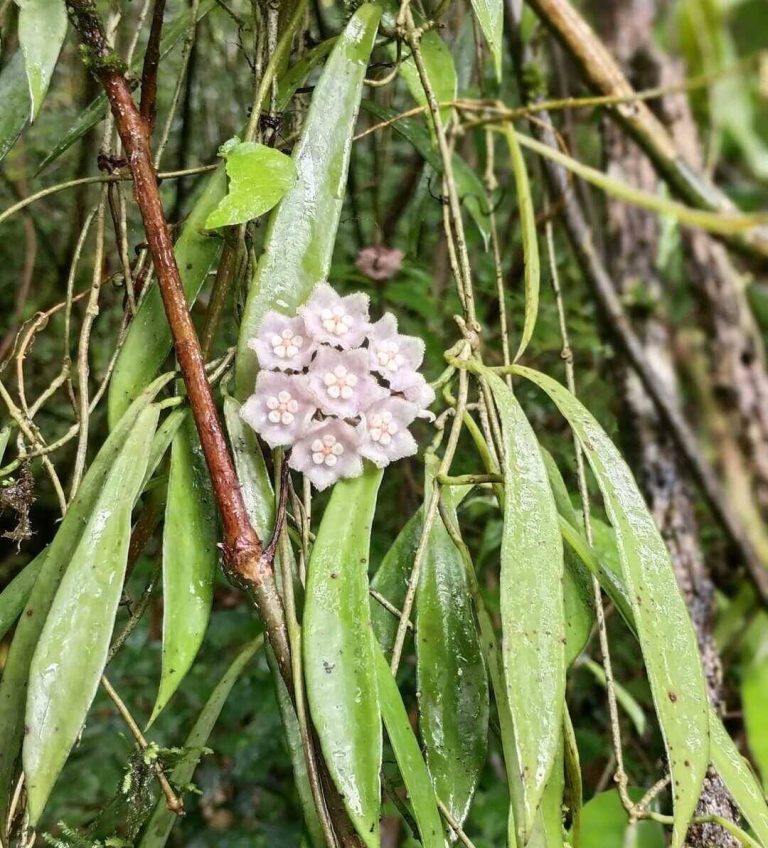
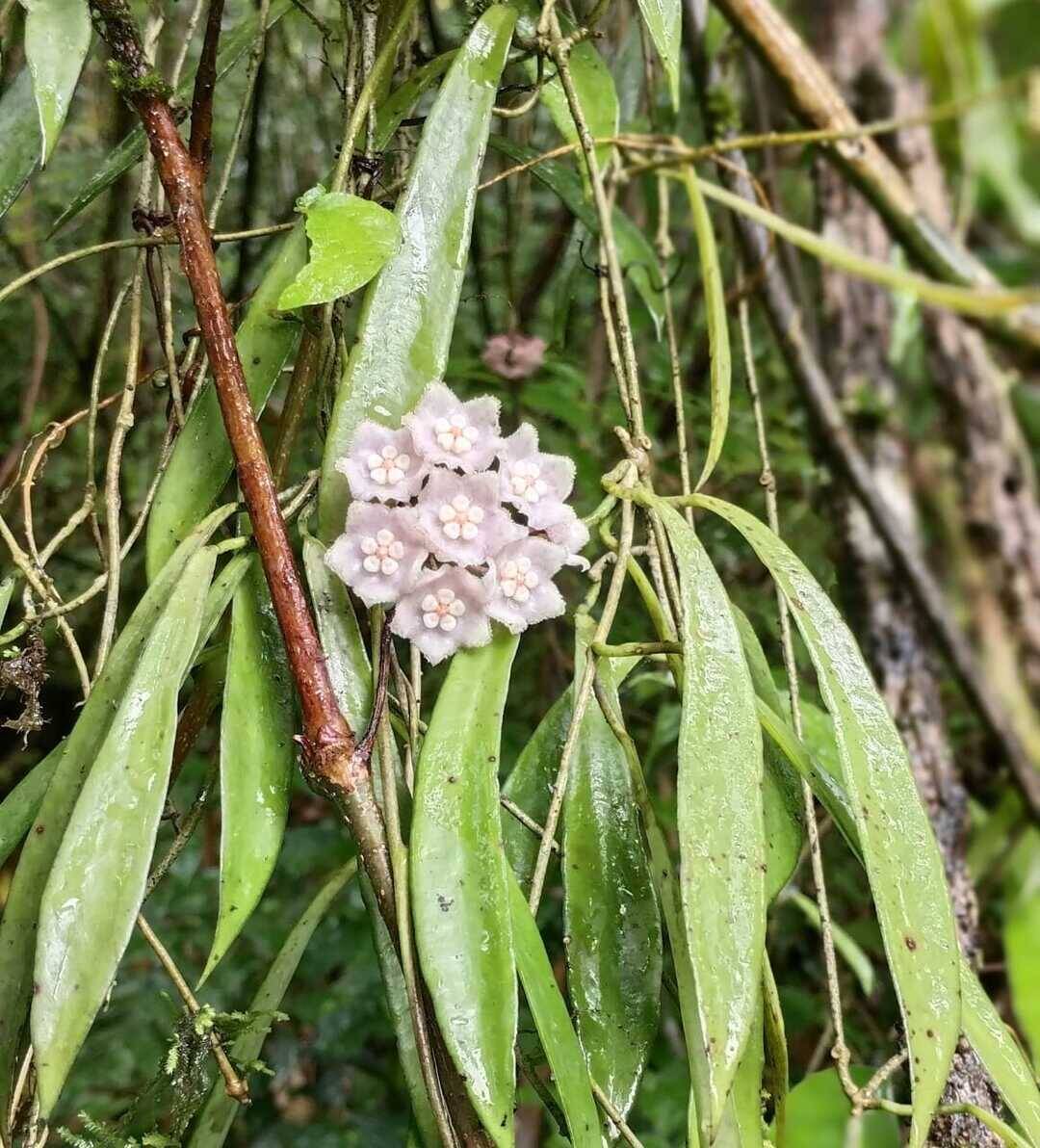
In a groundbreaking discovery, scientists from Nagaland University have identified a new plant species, Hoya nagaensis, in the community-protected high-altitude forests of Nagaland. The finding, which has been provisionally listed as Critically Endangered, underscores the region’s rich but under-explored biodiversity and highlights the vital role of indigenous forest conservation practices.
The discovery was made in the Phek district of Nagaland, a region known for its unique and diverse flora. The Hoya nagaensis, a species of flowering plant, was found to be endemic to the area, meaning it is found nowhere else in the world. The plant’s distinctive characteristics and limited geographic range make it a significant addition to the world of botany.
The team of scientists from Nagaland University, who conducted the research, were thrilled to stumble upon the new species. “We were on an expedition to study the flora of the region when we came across this unusual plant,” said one of the researchers. “Initial observations suggested that it was a new species, and further analysis confirmed our suspicions.”
The Hoya nagaensis is a climbing plant that grows up to 3 meters in length, with thick, waxy leaves and white, star-shaped flowers. The plant’s unique features and adaptations make it well-suited to the high-altitude forests of Nagaland, where it is found. However, its limited range and specific habitat requirements make it vulnerable to extinction.
The discovery of the Hoya nagaensis has significant implications for conservation efforts in the region. The plant’s Critically Endangered status highlights the need for urgent action to protect its habitat and ensure the long-term survival of the species. The community-protected forests of Nagaland, where the plant was found, are a testament to the effectiveness of indigenous forest conservation practices.
For centuries, the local communities of Nagaland have protected and managed their forests, using traditional practices and knowledge to maintain the delicate balance of the ecosystem. The discovery of the Hoya nagaensis is a validation of these efforts and underscores the importance of preserving indigenous knowledge and practices.
The research team from Nagaland University worked closely with local communities to study the plant and its habitat. “The local communities were instrumental in our research,” said a team member. “They shared their knowledge of the forest and its flora, which was invaluable in our discovery.”
The discovery of the Hoya nagaensis is not only significant for the scientific community but also for the local communities of Nagaland. The plant’s unique characteristics and potential medicinal properties make it a valuable resource for the region. The conservation of the plant and its habitat will not only ensure the long-term survival of the species but also provide economic benefits to the local communities.
The Nagaland University’s discovery is a reminder of the importance of exploring and preserving the natural world. The region’s rich biodiversity is a treasure trove of new species, many of which remain undiscovered. The discovery of the Hoya nagaensis is a call to action, highlighting the need for further research and conservation efforts to protect the unique flora and fauna of the region.
In conclusion, the discovery of the Hoya nagaensis is a significant milestone in the field of botany and conservation. The plant’s unique characteristics and limited range make it a valuable addition to the world of science, while its Critically Endangered status highlights the need for urgent action to protect its habitat. The research team from Nagaland University, in collaboration with local communities, has made a vital contribution to our understanding of the region’s biodiversity and underscores the importance of preserving indigenous knowledge and practices.
As we move forward, it is essential to recognize the significance of this discovery and the importance of conservation efforts in the region. The discovery of the Hoya nagaensis is a reminder of the wonders that await us in the natural world and the need to protect and preserve them for future generations.
About the Author