Goa considering Aus-like social media ban for children under 16
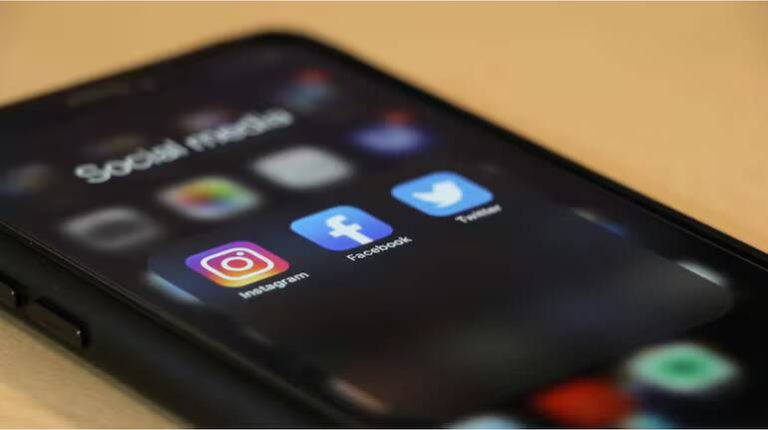
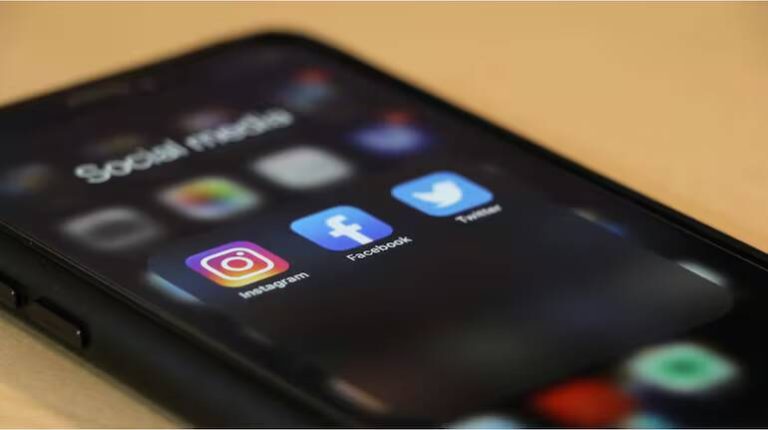
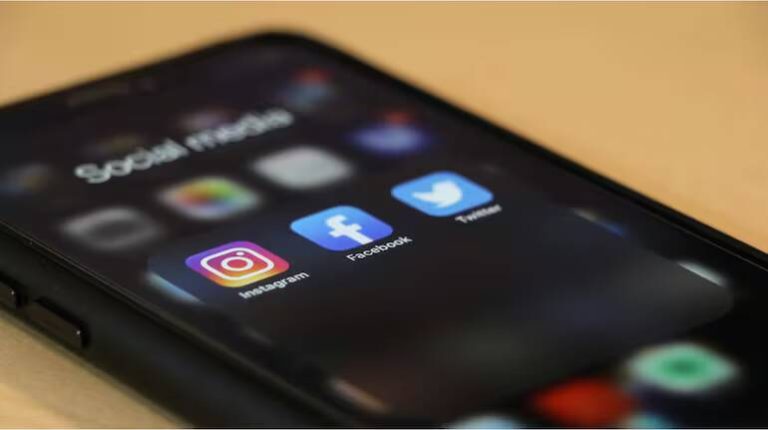
In a move that could have significant implications for the way children interact with social media, the Goa government is considering implementing a law that would ban social media for children below the age of 16. This move is inspired by a similar law in Australia, and is aimed at reducing the distraction and potential harm that social media can cause to young minds. According to Tourism and Information Technology (IT) Minister Rohan Khaunte, the government has been receiving a lot of complaints from parents who are concerned about the impact of social media on their children.
“We’ve had a lot of complaints from parents…social media and some of these platforms are becoming a distraction for children,” Khaunte stated. This concern is not unique to Goa, as Andhra Pradesh is also considering a similar ban. The proposed ban is a response to the growing concern about the impact of social media on children’s mental and emotional well-being. Social media platforms have been criticized for their potential to cause addiction, cyberbullying, and exposure to inappropriate content.
The idea of banning social media for children under 16 is not new, and several countries have already implemented or proposed similar laws. In Australia, for example, there are laws that regulate the use of social media by children, and require social media companies to obtain parental consent before collecting or using the personal data of children under the age of 16. The Australian law also requires social media companies to provide clear and transparent information about their data collection and usage practices, and to provide parents with tools and resources to help them monitor and control their children’s social media use.
If implemented, the proposed ban in Goa would likely have significant implications for social media companies operating in the state. Social media companies would need to comply with the new law by implementing age verification measures and obtaining parental consent before allowing children under 16 to use their platforms. This could involve using age verification technologies, such as AI-powered age detection tools, or requiring parents to provide consent through a verification process.
The proposed ban could also have implications for parents and children in Goa. Parents would need to be more involved in monitoring and controlling their children’s social media use, and would need to provide consent before their children could use social media platforms. Children under 16 would need to find alternative ways to stay connected with their friends and access information, such as through traditional media or online platforms that are designed specifically for children.
While the proposed ban has been welcomed by some as a necessary measure to protect children from the potential harm of social media, others have raised concerns about its effectiveness and potential consequences. Some have argued that the ban could be difficult to enforce, and that children may find ways to circumvent it. Others have raised concerns about the potential impact on children’s access to information and their ability to connect with others.
Despite these concerns, the proposed ban in Goa is an important step towards recognizing the potential risks and consequences of social media use by children. By considering a ban on social media for children under 16, the Goa government is acknowledging the need for greater regulation and oversight of social media companies, and for greater protection of children’s rights and well-being.
In conclusion, the proposed ban on social media for children under 16 in Goa is a significant development that highlights the growing concern about the impact of social media on children’s mental and emotional well-being. While the ban may have its challenges and limitations, it is an important step towards recognizing the need for greater regulation and oversight of social media companies, and for greater protection of children’s rights and well-being. As the Goa government considers this proposal, it is essential to weigh the potential benefits and consequences, and to consider the perspectives of all stakeholders, including parents, children, and social media companies.
About the Author