Nagaland University discovers new plant species in state
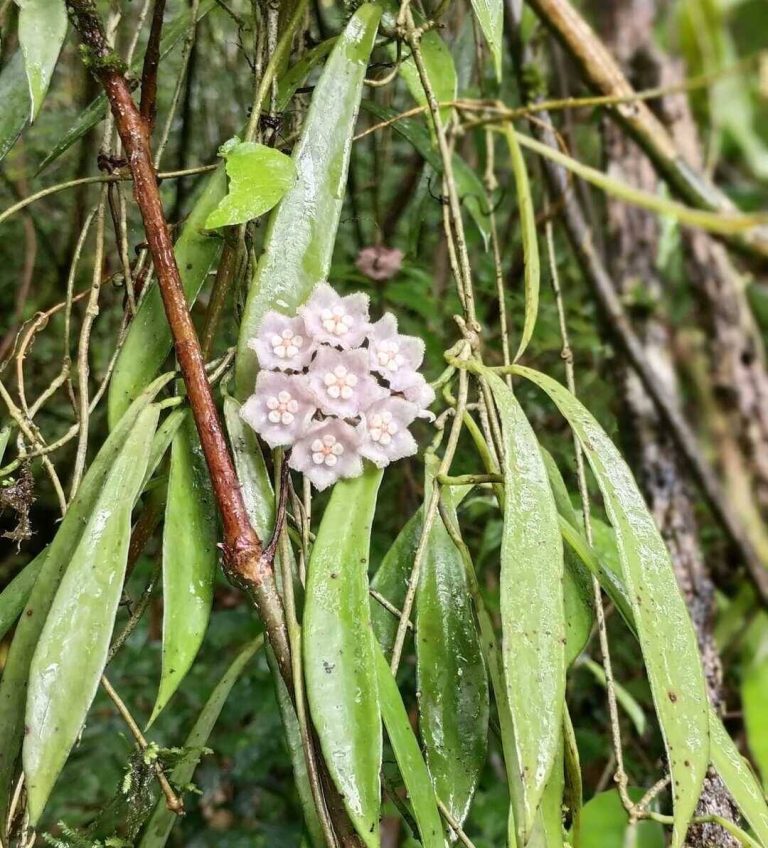
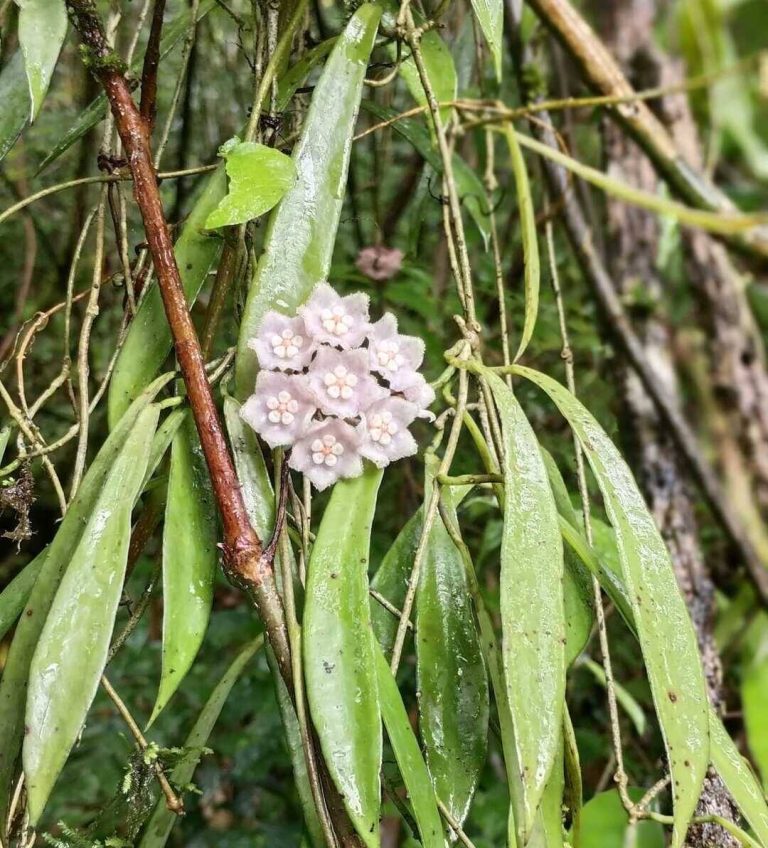
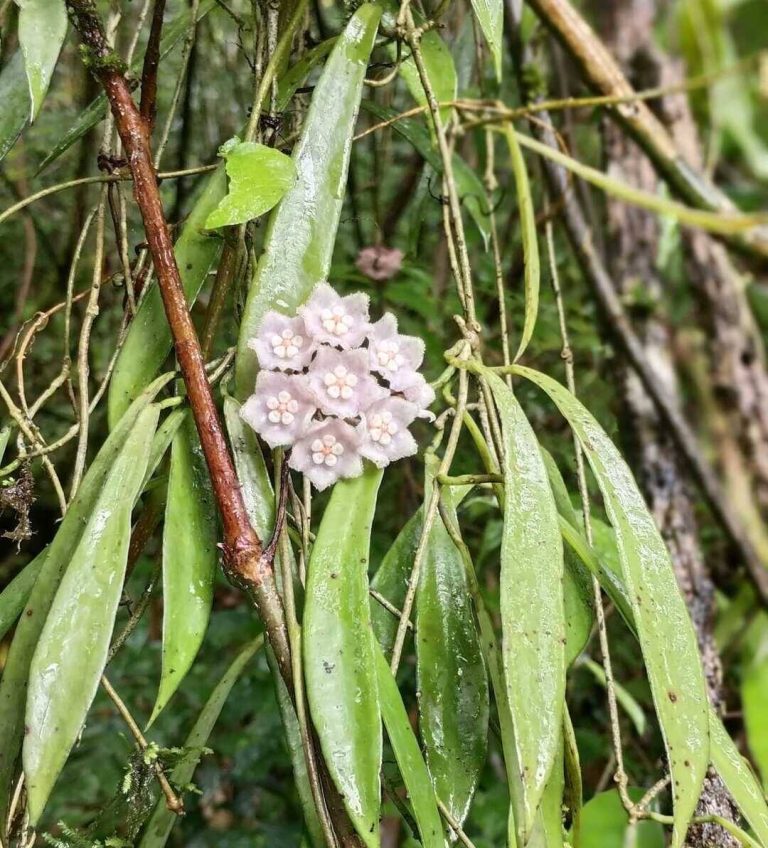
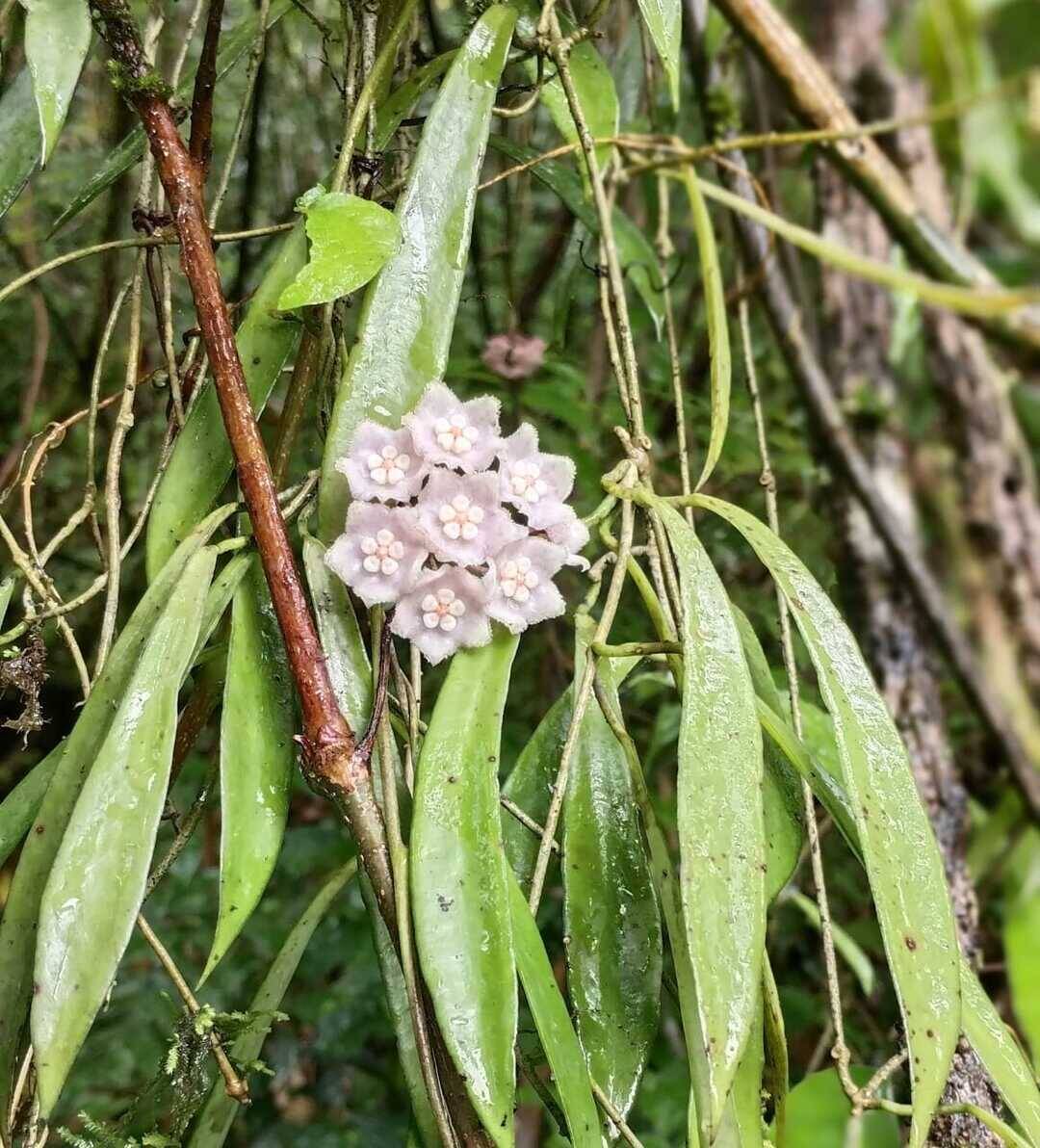
In a groundbreaking discovery, scientists from Nagaland University have identified a new plant species, Hoya nagaensis, in the community-protected high-altitude forests of Nagaland. The species, found in the Phek district, has been provisionally listed as Critically Endangered, highlighting the urgent need for conservation efforts to protect this unique and fragile ecosystem. This remarkable finding not only showcases the rich biodiversity of the region but also underscores the crucial role of indigenous forest conservation practices in preserving the natural heritage of Nagaland.
The discovery of Hoya nagaensis is a significant milestone in the field of botany, and it is a testament to the dedication and expertise of the research team from Nagaland University. The species was found in a remote area of the Phek district, which is known for its stunning natural beauty and diverse flora. The region’s unique geography, with its high-altitude forests and rugged terrain, has created a haven for a wide range of plant species, many of which are found nowhere else in the world.
The Hoya nagaensis is a member of the Apocynaceae family, which is commonly known for its ornamental and medicinal properties. The species is characterized by its distinctive leaf shape and flower structure, which sets it apart from other members of the same family. The plant is relatively small, with a height of around 2-3 meters, and it has a slender stem with oval-shaped leaves. The flowers are white with a yellow center, and they are highly fragrant, attracting a variety of pollinators, including bees and butterflies.
The discovery of Hoya nagaensis is not only significant from a scientific perspective, but it also highlights the importance of community-led conservation efforts. The forest where the species was found is a community-protected area, which means that it is managed and protected by the local community. This approach to conservation has been shown to be highly effective in preserving biodiversity, as it takes into account the traditional knowledge and practices of the local people.
The community-protected forests of Nagaland are a unique example of indigenous forest conservation practices. For generations, the local communities have been managing and protecting these forests, using their traditional knowledge and skills to maintain the delicate balance of the ecosystem. This approach has allowed the forests to thrive, and it has created a haven for a wide range of plant and animal species.
The discovery of Hoya nagaensis has significant implications for conservation efforts in Nagaland. The species is provisionally listed as Critically Endangered, which means that it is at high risk of extinction due to habitat loss, over-exploitation, and other human activities. The conservation of this species will require a multi-faceted approach, which involves not only the protection of its habitat but also the engagement of local communities in conservation efforts.
The Nagaland University research team is working closely with local communities and conservation organizations to develop a conservation plan for Hoya nagaensis. The plan will involve the creation of a protected area, where the species can thrive without the threat of habitat loss or over-exploitation. The team is also working to raise awareness about the importance of conservation and the need to protect this unique and fragile ecosystem.
The discovery of Hoya nagaensis is a reminder of the rich biodiversity of Nagaland and the importance of preserving it for future generations. The state is home to a wide range of flora and fauna, many of which are found nowhere else in the world. The unique geography and climate of the region have created a haven for plant and animal species, and it is essential that we take steps to protect and conserve this natural heritage.
In conclusion, the discovery of Hoya nagaensis is a significant milestone in the field of botany, and it highlights the importance of community-led conservation efforts. The species is a unique and fragile part of Nagaland’s biodiversity, and it is essential that we take steps to protect and conserve it. The conservation of Hoya nagaensis will require a multi-faceted approach, which involves not only the protection of its habitat but also the engagement of local communities in conservation efforts. We must work together to preserve the natural heritage of Nagaland and to ensure that this unique and fragile ecosystem continues to thrive for generations to come.
News Source: https://hubnetwork.in/nagaland-university-scientists-discover-new-plant-species-in-community-protected-forests/
About the Author