Nagaland University discovers new plant species in state
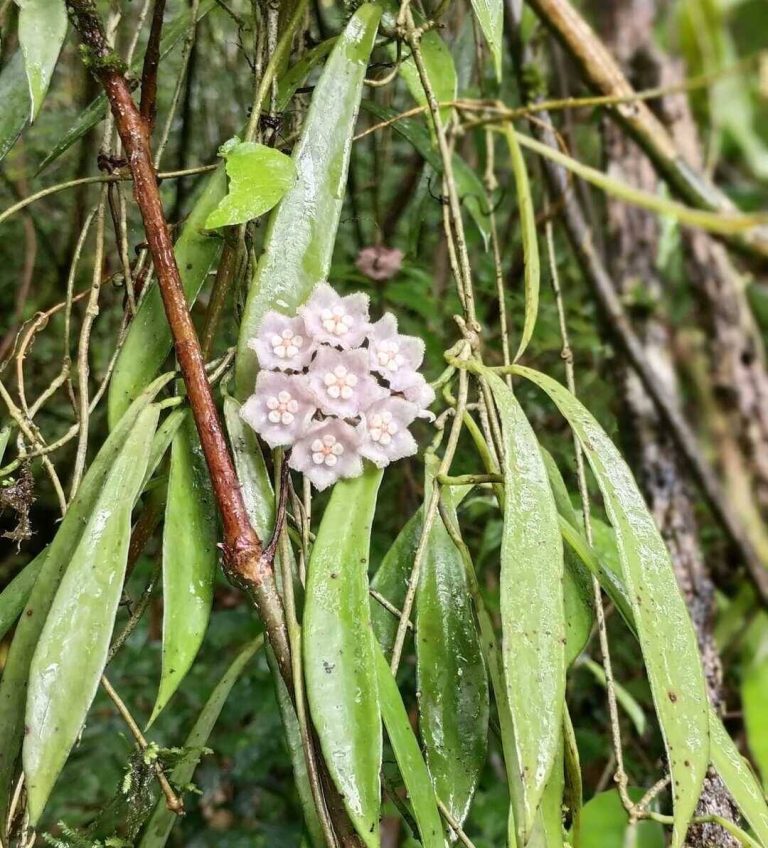
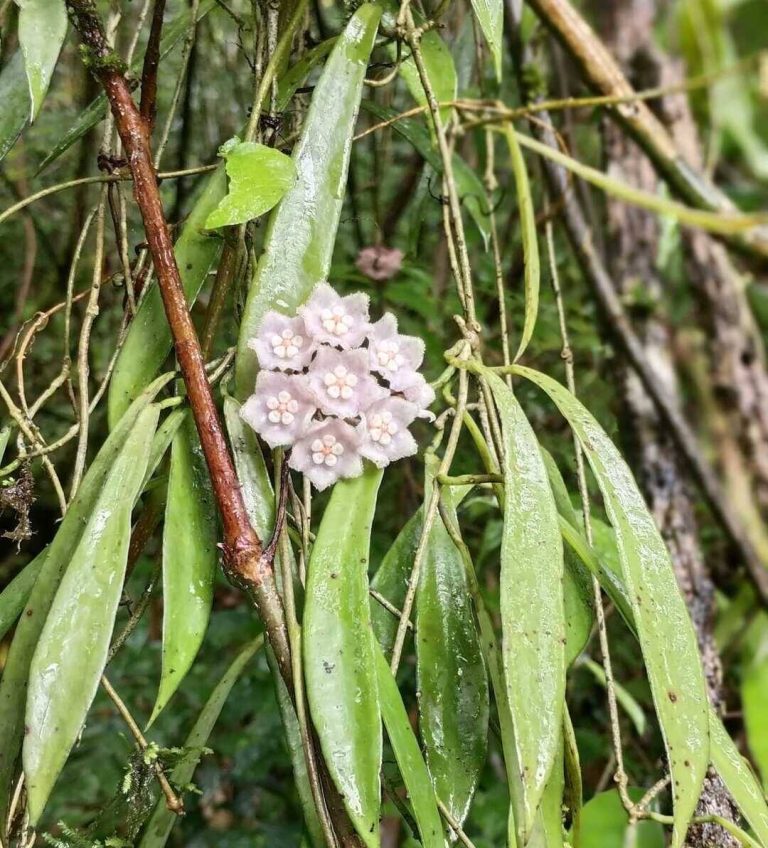
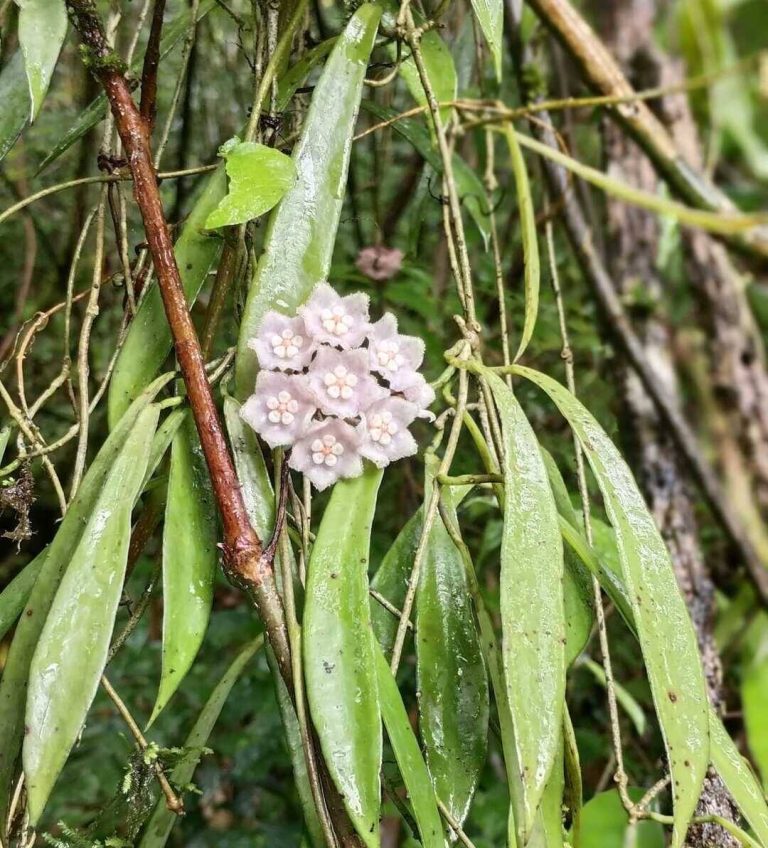
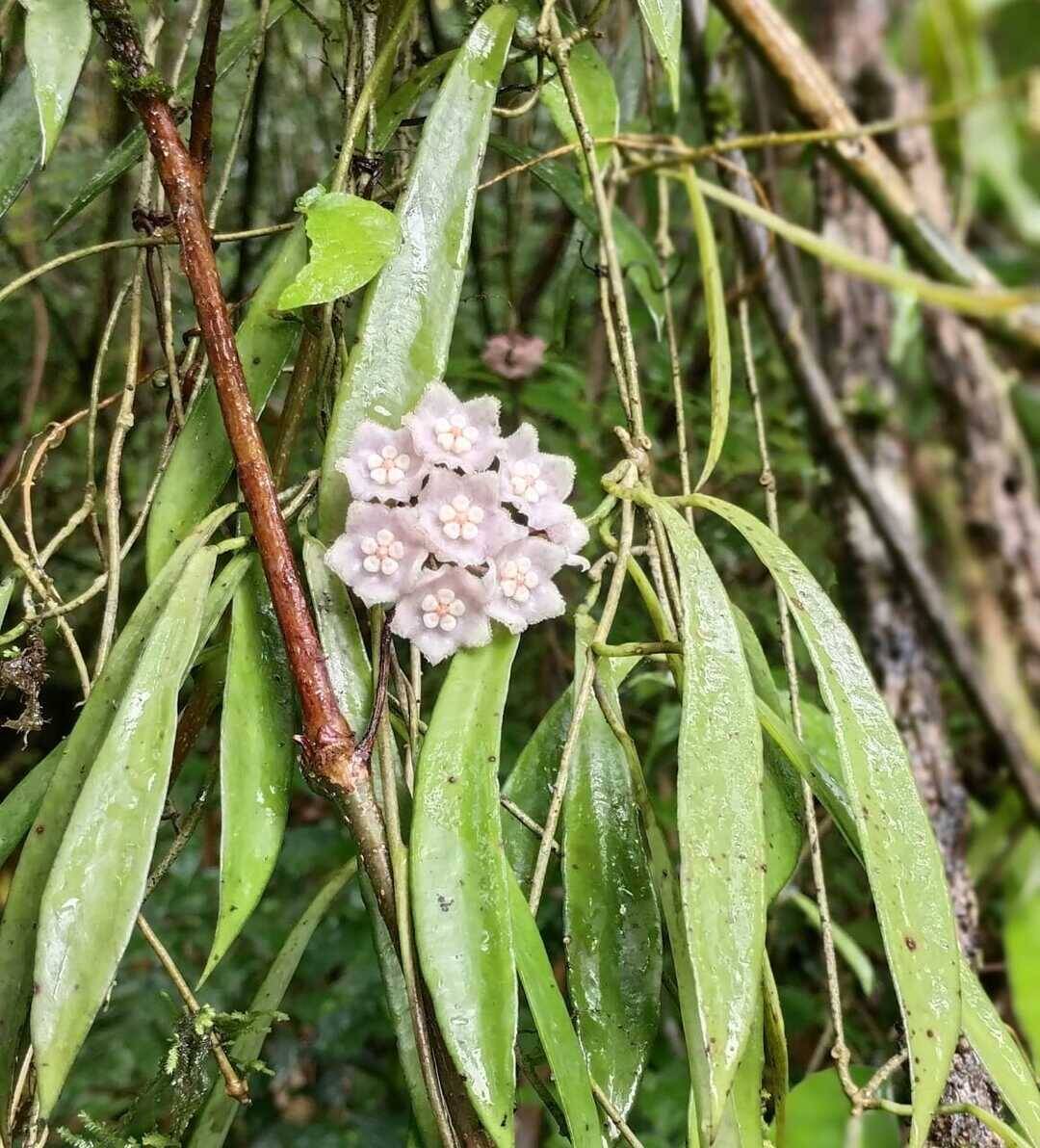
In a groundbreaking discovery, scientists from Nagaland University have identified a new plant species, Hoya nagaensis, in the community-protected high-altitude forests of Nagaland. The species, found in the Phek district, has been provisionally listed as Critically Endangered, highlighting the urgent need for conservation efforts to protect this unique and fragile ecosystem. This remarkable find not only showcases the rich biodiversity of the region but also underscores the crucial role of indigenous forest conservation practices in preserving the natural heritage of Nagaland.
The discovery of Hoya nagaensis is a significant milestone in the field of botany, as it marks the first time a new plant species has been identified in the state of Nagaland. The species belongs to the genus Hoya, a group of flowering plants commonly known as waxflowers or porcelain flowers. The name “nagaensis” is derived from the state of Nagaland, where the species was discovered. The plant is characterized by its distinctive leaves and flowers, which are unlike any other known species in the genus.
The discovery of Hoya nagaensis was made possible through a collaborative effort between scientists from Nagaland University and local community members. The research team, led by Dr. [Name], a renowned botanist, conducted an extensive survey of the high-altitude forests in Phek district, where they collected and analyzed plant samples. The team worked closely with local community members, who provided valuable insights into the traditional uses and conservation practices of the forest.
The community-protected forests of Nagaland are a unique example of indigenous forest conservation practices. For generations, local communities have protected and managed these forests, using traditional knowledge and practices to maintain the delicate balance of the ecosystem. The discovery of Hoya nagaensis highlights the importance of these conservation efforts, which have helped to preserve the rich biodiversity of the region.
The provisional listing of Hoya nagaensis as Critically Endangered is a cause for concern, as it indicates that the species is at high risk of extinction. The main threats to the species include habitat loss and degradation, due to encroachment and over-exploitation of the forest resources. Climate change is also a significant threat, as it can alter the delicate balance of the ecosystem and disrupt the plant’s life cycle.
The discovery of Hoya nagaensis has significant implications for conservation efforts in Nagaland. The species is a unique and valuable component of the region’s biodiversity, and its loss could have far-reaching consequences for the ecosystem. The research team is working closely with local community members and government agencies to develop a conservation plan for the species, which includes measures to protect the habitat, monitor the population, and raise awareness about the importance of conservation.
The discovery of Hoya nagaensis is also a testament to the rich cultural heritage of Nagaland. The state is home to a diverse array of indigenous communities, each with their own unique traditions and practices. The conservation of the community-protected forests is not only essential for preserving the biodiversity of the region but also for protecting the cultural heritage of the local communities.
In conclusion, the discovery of Hoya nagaensis is a significant achievement in the field of botany, and it highlights the importance of indigenous forest conservation practices in preserving the natural heritage of Nagaland. The provisional listing of the species as Critically Endangered is a cause for concern, and it underscores the need for urgent conservation efforts to protect this unique and fragile ecosystem. The research team, in collaboration with local community members and government agencies, is working to develop a conservation plan for the species, which will help to ensure the long-term survival of Hoya nagaensis.
As we celebrate this remarkable discovery, we must also acknowledge the crucial role of indigenous communities in preserving the biodiversity of Nagaland. The community-protected forests of the state are a shining example of the effectiveness of traditional conservation practices, and they serve as a model for conservation efforts elsewhere. The discovery of Hoya nagaensis is a reminder of the importance of preserving the natural heritage of Nagaland, and it highlights the need for continued support and recognition of indigenous conservation practices.
About the Author