Goa considering Aus-like social media ban for children under 16
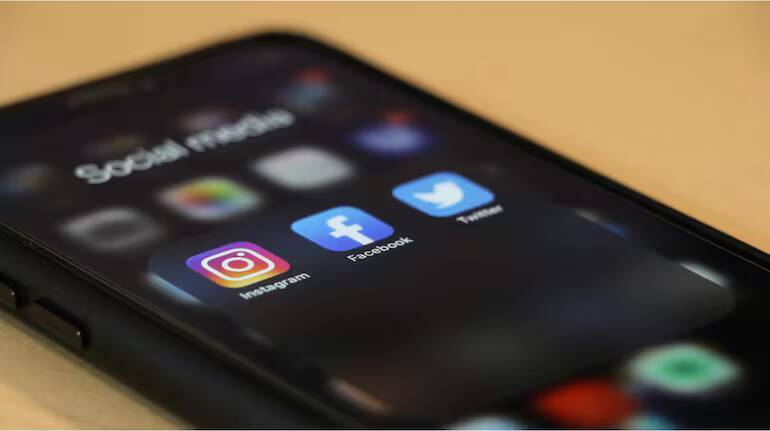
In a move that could have significant implications for the way children interact with social media, the Goa government is considering implementing a ban on social media for children below the age of 16. This move is inspired by a similar law in Australia, and it’s aimed at reducing the distractions and potential harm that social media can cause to young minds. According to Tourism and Information Technology (IT) Minister Rohan Khaunte, the government has been receiving numerous complaints from parents about the negative impact of social media on their children.
“We’ve had a lot of complaints from parents…social media and some of these platforms are becoming a distraction for children,” Khaunte stated. This concern is not unique to Goa, as Andhra Pradesh is also considering a similar ban. The proposed ban is a response to the growing concern about the impact of social media on children’s mental and emotional well-being. With the rise of social media, children are exposed to a vast array of online content, including cyberbullying, explicit material, and unrealistic expectations.
The Australian law, which Goa is looking to emulate, is designed to protect children from the potential harm of social media. The law requires social media companies to obtain parental consent before allowing children under the age of 16 to create an account. This move is aimed at giving parents more control over their children’s online activities and reducing the risk of children being exposed to harmful content.
The proposal to ban social media for children under 16 has sparked a debate about the role of social media in children’s lives. While some argue that social media can be a valuable tool for learning and socialization, others believe that it can be a significant distraction and a potential threat to children’s well-being. The Goa government’s move is an attempt to strike a balance between the benefits and risks of social media and to ensure that children are protected from its potential harm.
One of the main concerns about social media is its impact on children’s mental health. Studies have shown that excessive social media use can lead to increased symptoms of anxiety and depression in children. Social media platforms can create unrealistic expectations and promote consumerism, materialism, and narcissism. Children may feel pressure to present a perfect online image, which can lead to feelings of inadequacy and low self-esteem.
Another concern is the risk of cyberbullying, which can have serious consequences for children’s mental health and well-being. Cyberbullying can take many forms, including harassment, intimidation, and humiliation. Social media companies have a responsibility to protect their users from cyberbullying, but the proposed ban is an attempt to prevent children from being exposed to these risks in the first place.
The proposed ban is not without its challenges, however. Implementing a ban on social media for children under 16 would require significant resources and infrastructure. The government would need to develop a system to verify the age of social media users and to monitor compliance with the ban. Social media companies would also need to cooperate with the government to implement the ban, which could be a challenge.
Despite these challenges, the proposed ban is an important step towards protecting children from the potential harm of social media. By banning social media for children under 16, the Goa government is sending a strong message about the importance of protecting children’s online safety and well-being. The move is also an opportunity for parents, educators, and policymakers to rethink the role of social media in children’s lives and to develop strategies for promoting healthy social media use.
In conclusion, the proposed ban on social media for children under 16 in Goa is a significant development that could have far-reaching implications for the way children interact with social media. While there are challenges to implementing the ban, it’s an important step towards protecting children from the potential harm of social media. As the debate about social media and children’s well-being continues, it’s essential to consider the potential benefits and risks of social media and to develop strategies for promoting healthy social media use.
About the Author