Nagaland University discovers new plant species in state
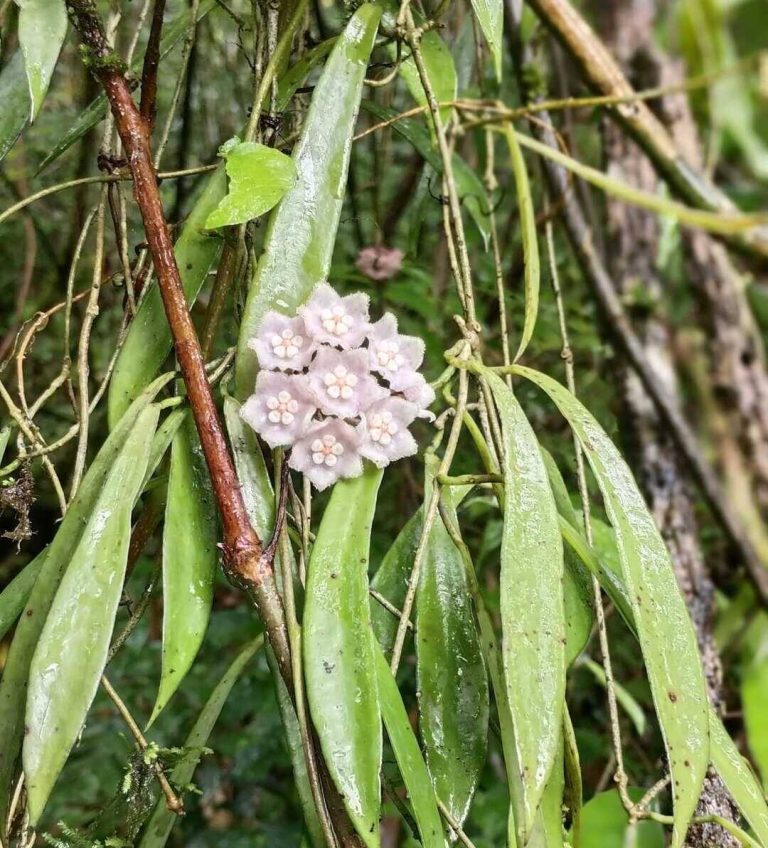
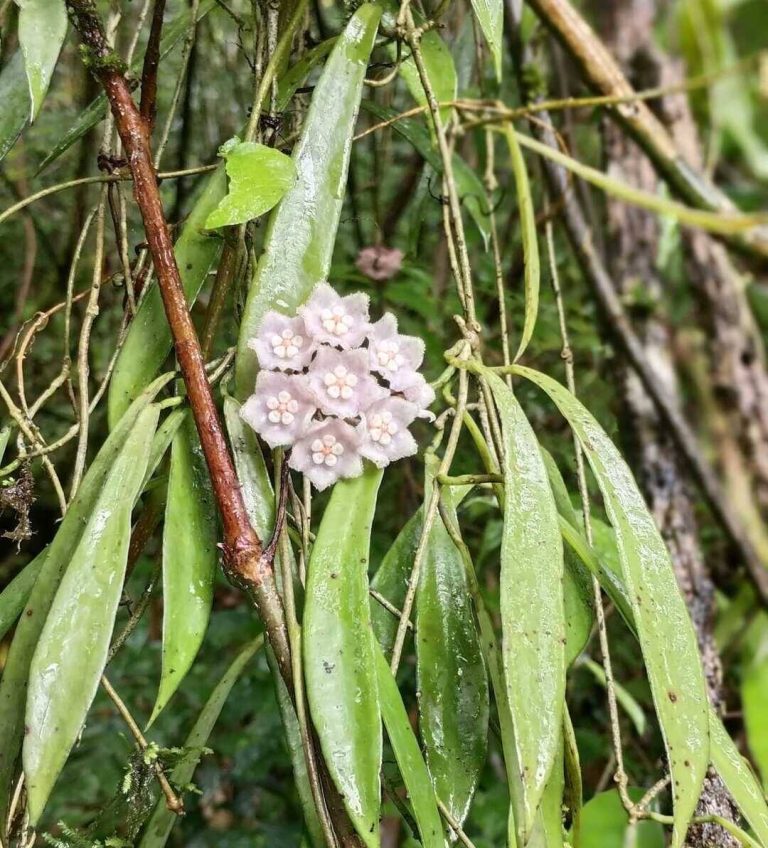
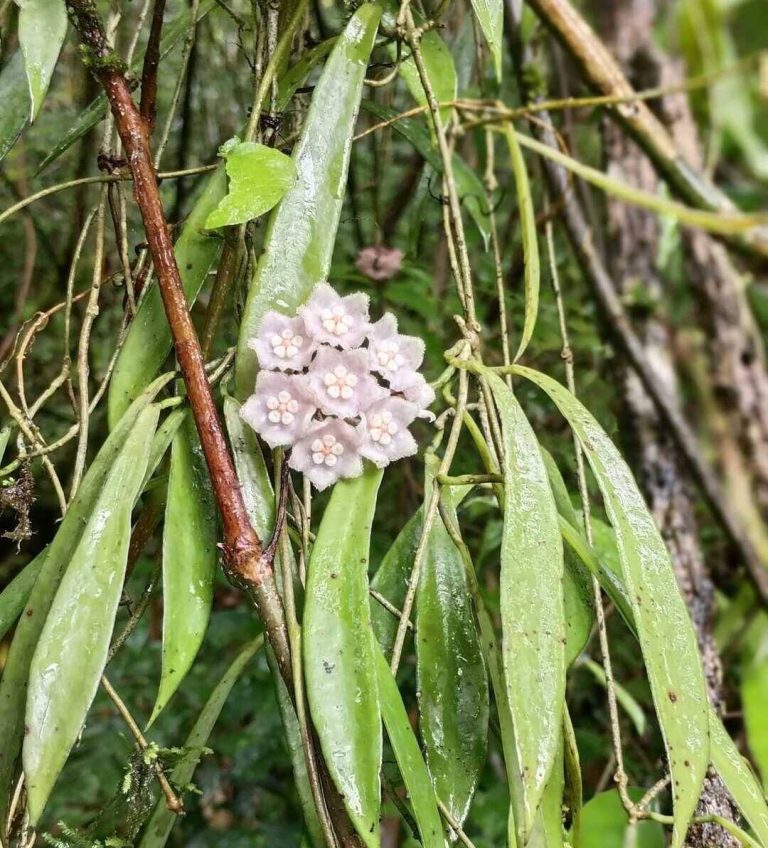
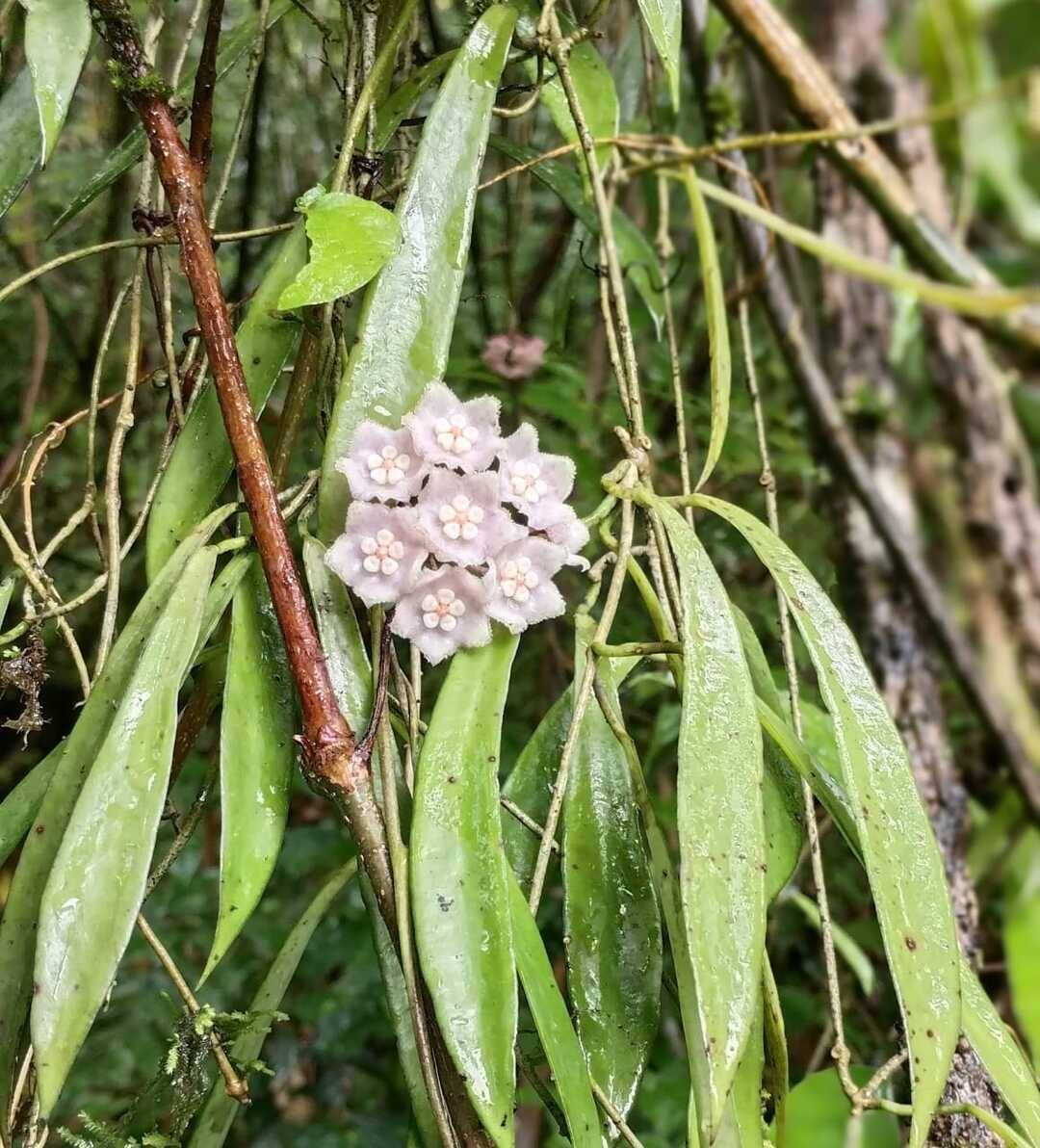
In a groundbreaking discovery, scientists from Nagaland University have identified a new plant species, Hoya nagaensis, in the community-protected high-altitude forests of Nagaland. The finding is a significant milestone in the field of botany and highlights the region’s rich but under-explored biodiversity. The new species, provisionally listed as Critically Endangered, was found in the Phek district of Nagaland, a state located in the northeastern part of India.
The discovery was made by a team of researchers from the Department of Botany, Nagaland University, who have been conducting extensive field surveys and taxonomic studies in the region. The team, led by Dr. [Name], a renowned botanist, has been working tirelessly to document and conserve the unique flora of Nagaland. The discovery of Hoya nagaensis is a testament to their dedication and expertise.
Hoya nagaensis is a member of the Apocynaceae family, commonly known as the dogbane family. The plant is characterized by its distinctive leaves, flowers, and fruits, which are unlike any other known species in the region. The species is found in the high-altitude forests of Phek district, where it grows in association with other plant species that are endemic to the region.
The discovery of Hoya nagaensis is significant not only because it is a new species but also because it highlights the importance of community-protected forests in conserving biodiversity. The forests where the species was found are protected and managed by local communities, who have been practicing sustainable forest management for generations. This approach has allowed the forests to maintain their natural integrity, providing a habitat for a wide range of plant and animal species, including the newly discovered Hoya nagaensis.
The discovery also underscores the need for further research and conservation efforts in the region. Nagaland is home to a rich and diverse array of flora and fauna, much of which remains unexplored and undocumented. The state’s unique geography, with its high-altitude forests, grasslands, and wetlands, supports a wide range of ecosystems that are found nowhere else in the world.
The provisional listing of Hoya nagaensis as Critically Endangered is a cause for concern, as it highlights the vulnerability of the species to extinction. The main threats to the species include habitat loss and degradation, over-exploitation, and climate change. The discovery of the species is a wake-up call for conservation efforts, and immediate action is needed to protect the species and its habitat.
The discovery of Hoya nagaensis is also a testament to the importance of indigenous knowledge and traditional conservation practices. The local communities in Nagaland have been managing their forests for generations, using traditional practices that have allowed the forests to maintain their natural integrity. The discovery of the new species highlights the importance of preserving and promoting indigenous knowledge and traditional conservation practices, which are essential for maintaining the health and biodiversity of ecosystems.
In conclusion, the discovery of Hoya nagaensis is a significant milestone in the field of botany and highlights the region’s rich but under-explored biodiversity. The discovery is a testament to the dedication and expertise of the researchers from Nagaland University and the importance of community-protected forests in conserving biodiversity. The provisional listing of the species as Critically Endangered is a cause for concern, and immediate action is needed to protect the species and its habitat. The discovery also underscores the need for further research and conservation efforts in the region, and the importance of preserving and promoting indigenous knowledge and traditional conservation practices.
As we celebrate this groundbreaking discovery, we must also recognize the importance of preserving and protecting our natural heritage. The discovery of Hoya nagaensis is a reminder of the beauty and diversity of the natural world and the importance of conservation efforts to protect it. We must work together to ensure that this newly discovered species is protected and conserved for future generations to enjoy.
About the Author