Hyundai Stock Falls 4% After Trump Imposes 25% Tariff on S-Korea
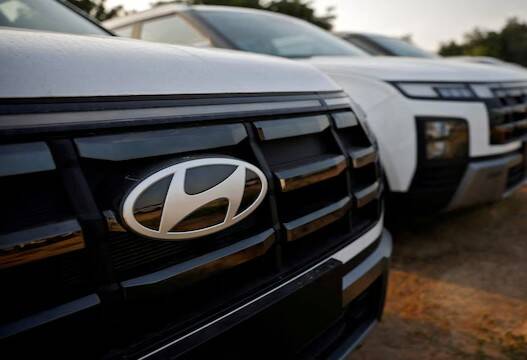
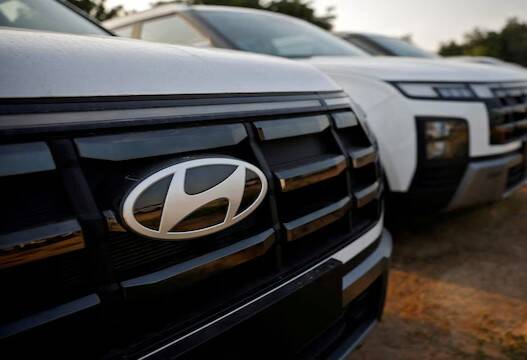
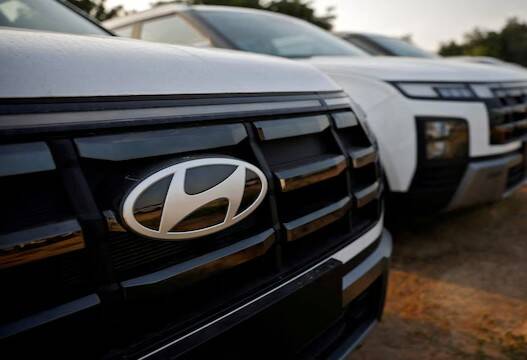
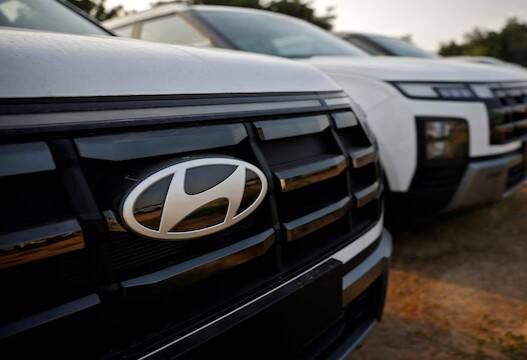
The shares of Hyundai, one of the biggest automobile companies in South Korea, saw a sharp decline on Tuesday, as it fell as much as 4.77% on Tuesday, according to CNBC TV18. This came after Donald Trump imposed a 25% tariff on the Southeast Asian country. Hyundai’s subsidiary Kia dropped nearly 3.5%, and the affiliated Hyundai Mobis was down 5%. The sudden decline in the stock prices of these major automobile companies has sent shockwaves through the market, with investors and analysts scrambling to understand the implications of this move.
The imposition of a 25% tariff on South Korean goods is a significant development, and it is likely to have far-reaching consequences for the country’s economy. South Korea is one of the largest exporters of goods to the United States, and the tariff is expected to affect a wide range of industries, including automobiles, pharmaceuticals, and electronics. The tariff is also likely to have a negative impact on the global economy, as it could lead to a trade war between the United States and South Korea.
Hyundai is one of the largest automobile companies in South Korea, and it has a significant presence in the global market. The company has been doing well in recent years, with its sales and revenue increasing steadily. However, the imposition of a 25% tariff on its goods is likely to affect its profitability and competitiveness in the market. The company may have to increase the prices of its vehicles to offset the cost of the tariff, which could affect its sales and market share.
The decline in the stock prices of Hyundai and its affiliates is a reflection of the uncertainty and volatility in the market. Investors are worried about the impact of the tariff on the company’s financial performance and its ability to compete in the global market. The tariff is also likely to affect the company’s plans for expansion and growth, as it may have to revisit its strategy in light of the new developments.
The imposition of a 25% tariff on South Korean goods is not the only challenge facing Hyundai and other automobile companies in the country. The global automobile industry is undergoing a significant transformation, with the rise of electric vehicles and autonomous driving. The companies are having to invest heavily in research and development to stay ahead of the curve, and the tariff is likely to add to their costs and challenges.
The South Korean government has expressed its disappointment and concern over the imposition of the tariff, and it has vowed to take all necessary measures to protect the interests of its companies and industries. The government has also urged the United States to reconsider its decision and to engage in negotiations to resolve the issue amicably.
The impact of the tariff on the global economy is also a major concern. The tariff is likely to lead to a trade war between the United States and South Korea, which could have far-reaching consequences for the global economy. The trade war could lead to a decline in trade and investment, and it could also affect the prices of goods and services.
In conclusion, the imposition of a 25% tariff on South Korean goods is a significant development that is likely to have far-reaching consequences for the economy and the automobile industry. The decline in the stock prices of Hyundai and its affiliates is a reflection of the uncertainty and volatility in the market, and it is likely to have a negative impact on the company’s financial performance and competitiveness. The South Korean government and the companies affected by the tariff are likely to take all necessary measures to protect their interests and to mitigate the impact of the tariff.
The situation is being closely watched by investors and analysts, who are waiting to see how the situation unfolds. The imposition of the tariff is a significant challenge for Hyundai and other automobile companies in South Korea, and it is likely to require a robust response to mitigate its impact.
As the situation continues to evolve, it is likely to have significant implications for the global economy and the automobile industry. The trade war between the United States and South Korea could have far-reaching consequences, and it is likely to affect the prices of goods and services. The companies affected by the tariff are likely to have to revisit their strategies and plans to stay ahead of the curve.
The news of the tariff has sent shockwaves through the market, and it is likely to have a significant impact on the stock prices of Hyundai and its affiliates. The company’s investors and analysts are closely watching the situation, and they are waiting to see how the company responds to the challenge.
In the meantime, the South Korean government is likely to take all necessary measures to protect the interests of its companies and industries. The government has vowed to engage in negotiations with the United States to resolve the issue amicably, and it is likely to take all necessary steps to mitigate the impact of the tariff.
As the situation continues to unfold, it is likely to have significant implications for the global economy and the automobile industry. The imposition of a 25% tariff on South Korean goods is a significant development, and it is likely to require a robust response to mitigate its impact.
About the Author