Nagaland University discovers new plant species in state
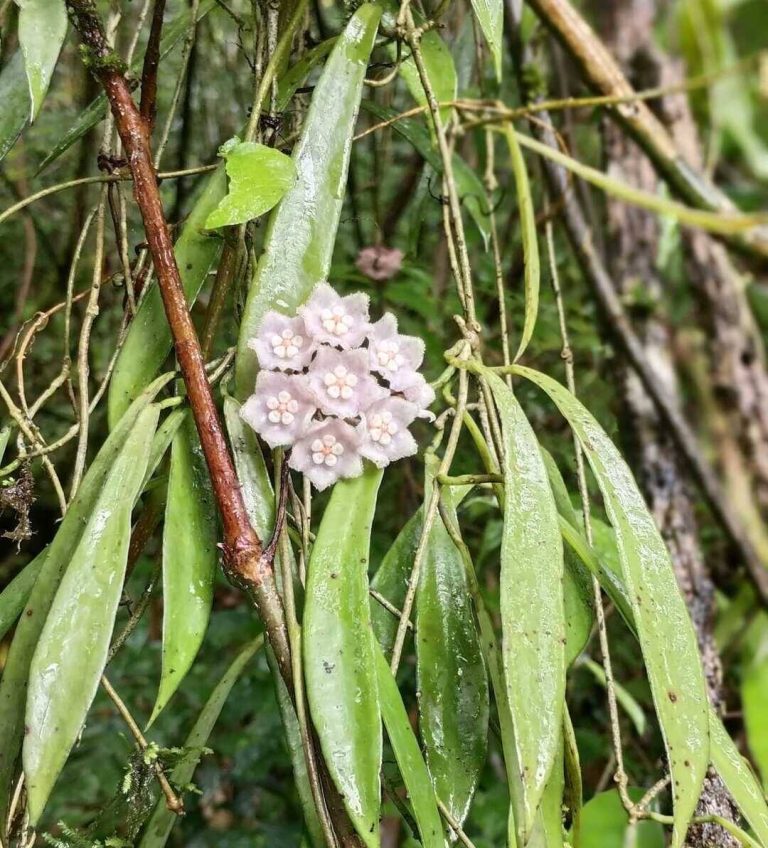
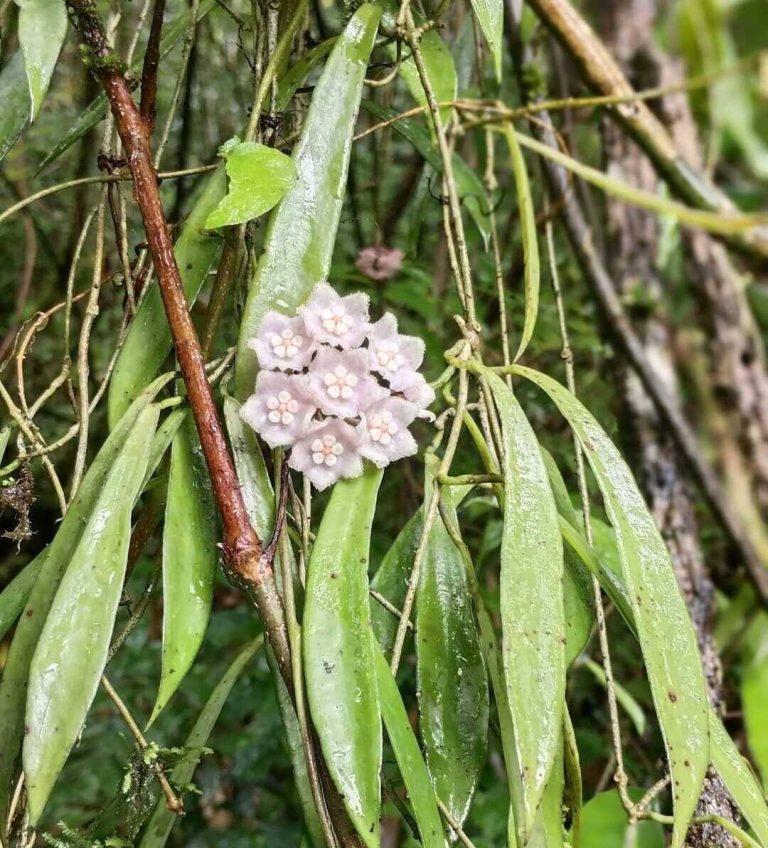
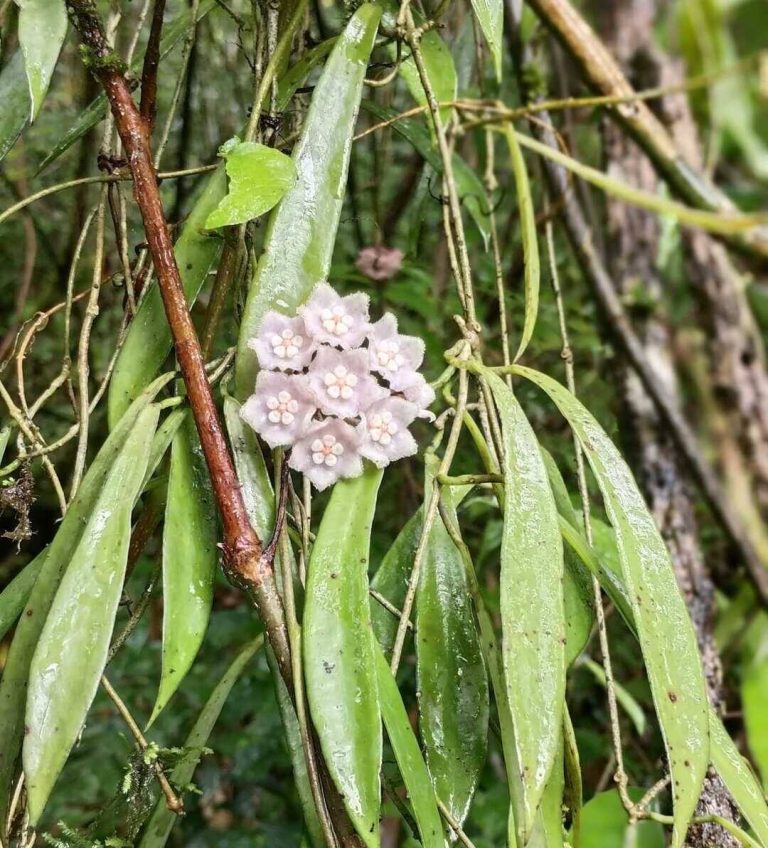
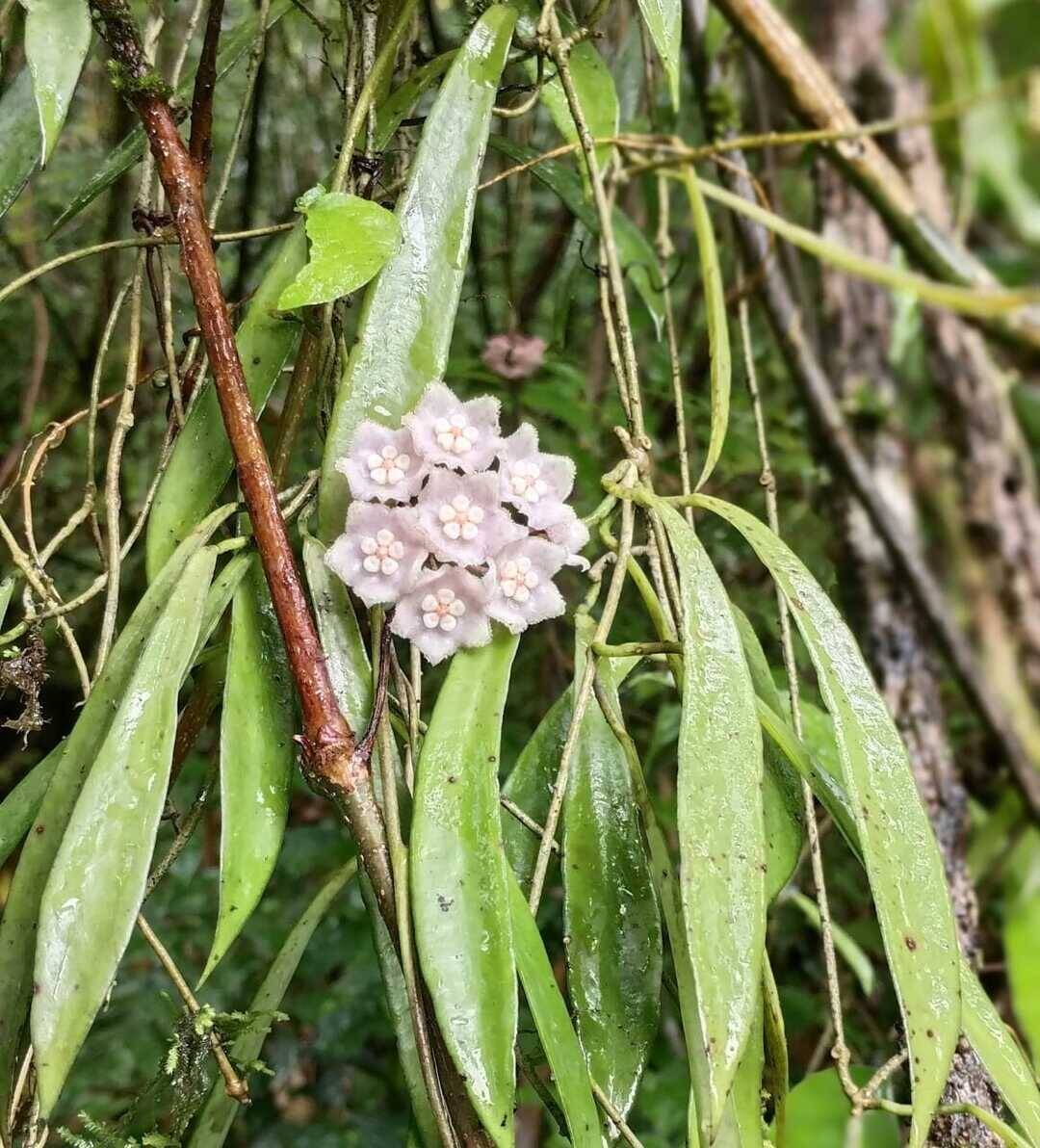
In a groundbreaking discovery, scientists from Nagaland University have identified a new plant species, Hoya nagaensis, in the community-protected high-altitude forests of Nagaland. The finding, which was made in the Phek district of the state, highlights the rich but under-explored biodiversity of the region and underscores the importance of indigenous forest conservation practices. The newly discovered species has been provisionally listed as Critically Endangered, emphasizing the need for urgent conservation efforts to protect it.
The discovery of Hoya nagaensis is a significant one, as it not only adds to the existing knowledge of plant species in the region but also sheds light on the unique characteristics of the flora found in Nagaland’s high-altitude forests. The species, which belongs to the Apocynaceae family, is a type of flowering plant that is commonly found in tropical and subtropical regions. However, the Hoya nagaensis is distinct from other members of the same family, with its unique leaf morphology and flower structure setting it apart.
The discovery was made possible through a collaborative effort between scientists from Nagaland University and local community members, who have been instrumental in protecting and conserving the forests of Phek district. The community-protected forests, which are managed and maintained by the local indigenous communities, have been found to be rich in biodiversity, with many rare and endemic species being discovered in these areas. The involvement of local communities in forest conservation has been crucial in maintaining the health and integrity of these ecosystems, and their efforts have been recognized and supported by the Nagaland University scientists.
The discovery of Hoya nagaensis has significant implications for conservation efforts in the region. As a Critically Endangered species, it requires immediate attention and protection to ensure its survival. The Nagaland University scientists, in collaboration with local community members and conservation organizations, are working to develop a conservation plan for the species, which includes habitat protection, ex-situ conservation, and education and awareness programs. The plan aims to not only protect the Hoya nagaensis but also promote sustainable forest management practices that benefit both the local communities and the environment.
The discovery of Hoya nagaensis also highlights the importance of exploring and documenting the biodiversity of the region. Nagaland, with its unique geography and climate, is home to a wide range of flora and fauna, many of which are found nowhere else in the world. However, the state’s biodiversity remains under-explored, and many species remain undescribed and unprotected. The discovery of Hoya nagaensis is a reminder of the need for further research and exploration of the region’s biodiversity, and the importance of involving local communities in conservation efforts.
The role of indigenous forest conservation practices in protecting biodiversity cannot be overstated. In Nagaland, local communities have been managing and conserving forests for generations, using traditional practices and knowledge that have been passed down through generations. These practices have been found to be effective in maintaining the health and integrity of forests, and have been recognized and supported by conservation organizations and governments. The discovery of Hoya nagaensis is a testament to the importance of these practices, and highlights the need to support and promote indigenous forest conservation efforts.
In conclusion, the discovery of Hoya nagaensis is a significant finding that highlights the rich biodiversity of Nagaland and the importance of indigenous forest conservation practices. The discovery of this new plant species is a reminder of the need for further research and exploration of the region’s biodiversity, and the importance of involving local communities in conservation efforts. As we move forward, it is essential that we work together to protect and conserve the unique and fragile ecosystems of Nagaland, and to promote sustainable forest management practices that benefit both the local communities and the environment.
About the Author