Nagaland University discovers new plant species in state
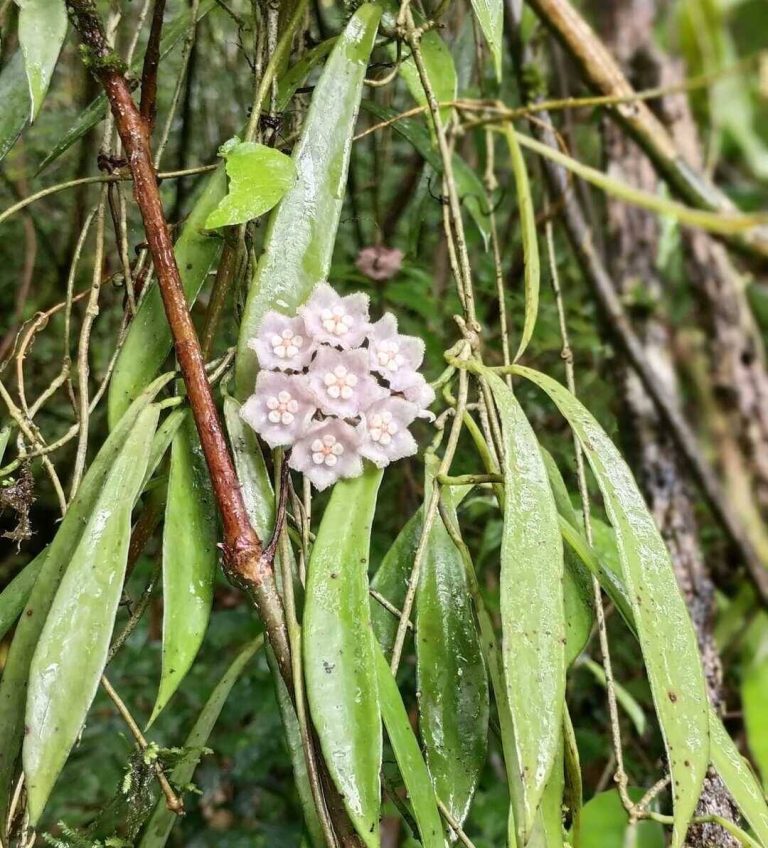
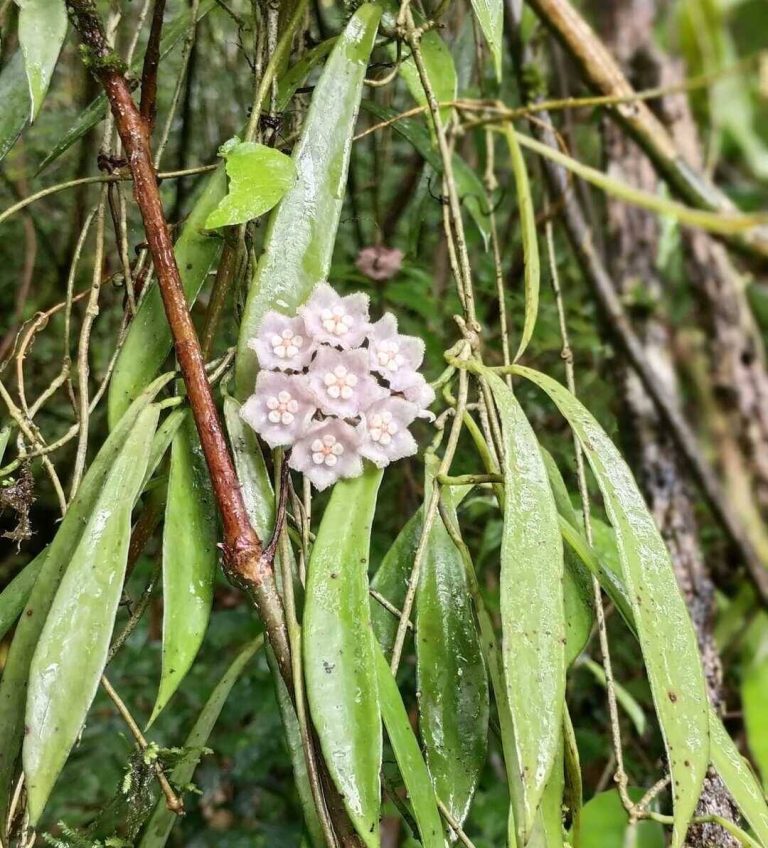
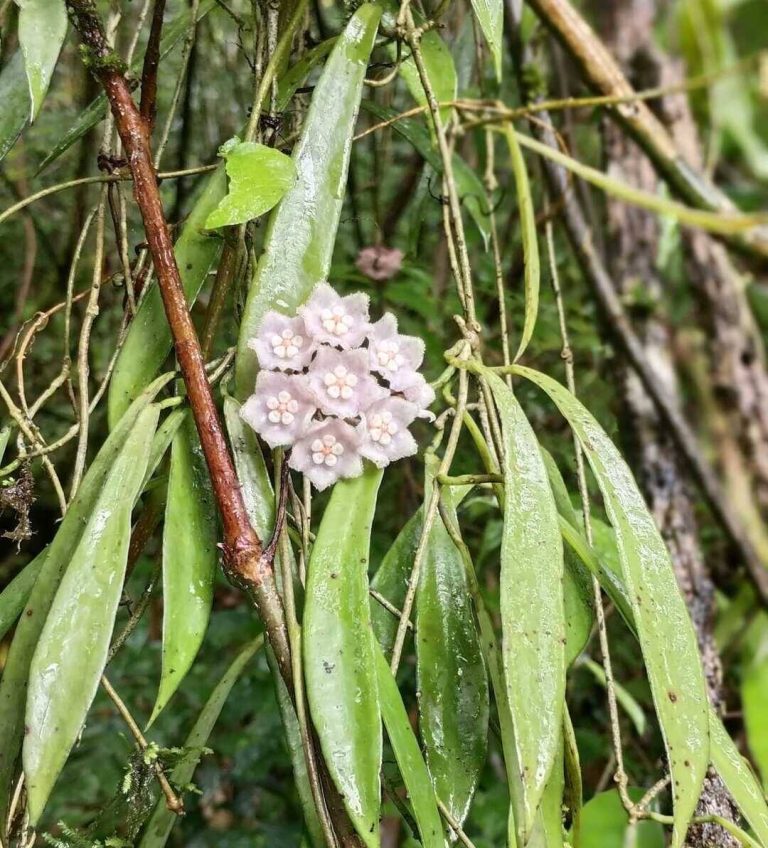
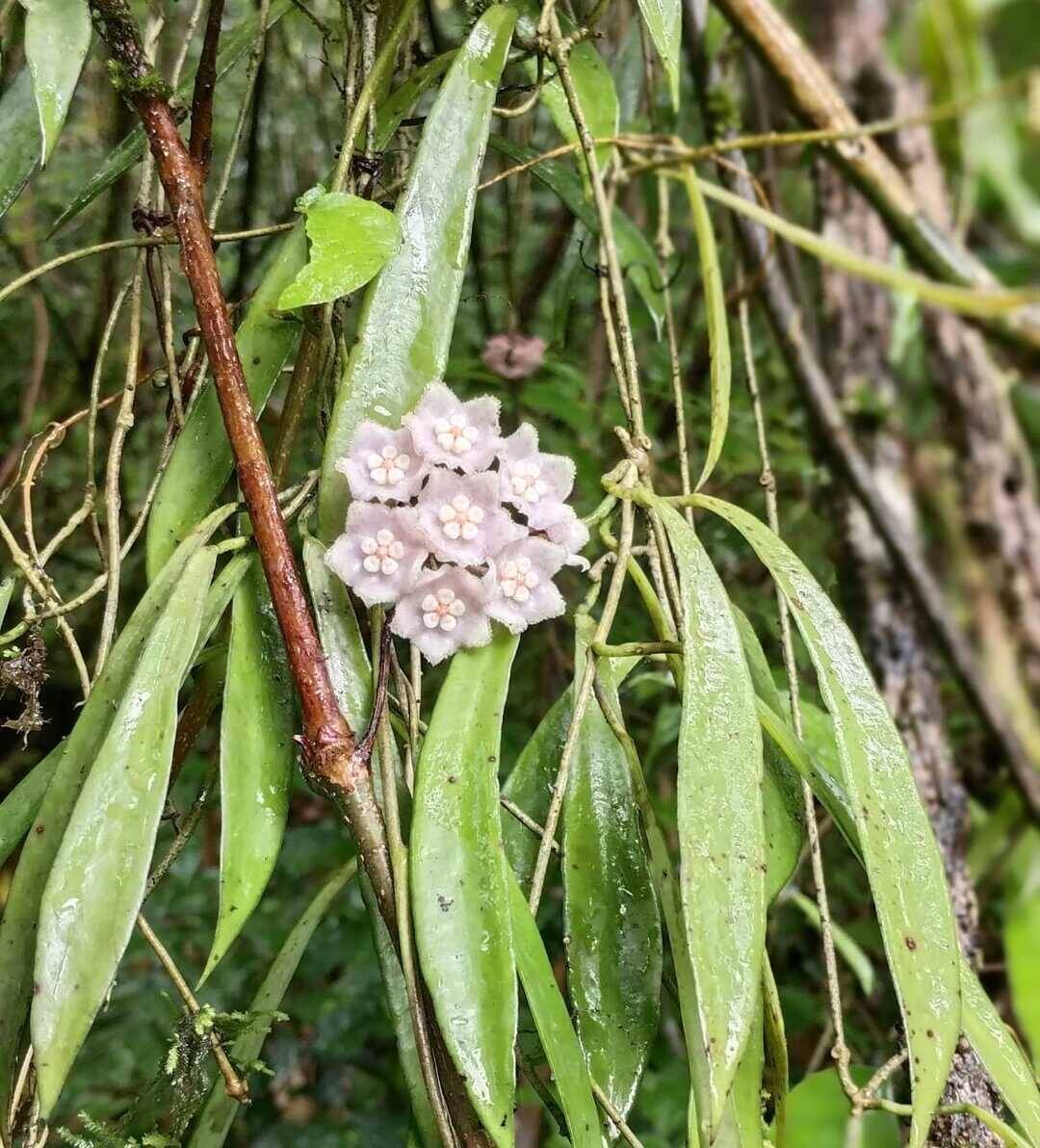
In a groundbreaking discovery, scientists from Nagaland University have identified a new plant species, Hoya nagaensis, in the community-protected high-altitude forests of Nagaland. The finding, which was made in the Phek district, highlights the rich but under-explored biodiversity of the region and underscores the crucial role of indigenous forest conservation practices. The newly discovered species has been provisionally listed as Critically Endangered, emphasizing the need for urgent conservation efforts to protect this unique and fragile ecosystem.
The discovery of Hoya nagaensis is a significant milestone in the field of botany, and it underscores the importance of exploring and documenting the vast array of plant species that exist in Nagaland. The state, which is located in the northeastern part of India, is home to a diverse range of flora and fauna, much of which remains unexplored and undocumented. The discovery of this new species is a testament to the region’s rich biodiversity and highlights the need for further research and conservation efforts.
The Hoya nagaensis is a type of flowering plant that belongs to the Apocynaceae family. It is a climbing plant that grows up to 5 meters in length, with thick, fleshy leaves and small, white flowers. The plant is found in the high-altitude forests of Phek district, where it grows on trees and rocks. The discovery of this plant species is significant not only because of its unique characteristics but also because of its potential medicinal and economic value.
The discovery of Hoya nagaensis was made possible by the collaborative efforts of scientists from Nagaland University and local community members. The researchers spent several months conducting field surveys and collecting plant samples in the community-protected forests of Phek district. The plant samples were then analyzed using advanced techniques such as DNA sequencing and morphological analysis, which confirmed the discovery of a new species.
The community-protected forests of Nagaland are a unique and fascinating example of indigenous forest conservation practices. For generations, local communities have protected and managed these forests, using traditional knowledge and practices to maintain the delicate balance of the ecosystem. The discovery of Hoya nagaensis highlights the importance of these conservation efforts and the need to support and recognize the role of indigenous communities in protecting biodiversity.
The provisional listing of Hoya nagaensis as Critically Endangered is a cause for concern, as it highlights the fragility of this ecosystem and the need for urgent conservation efforts. The main threats to the survival of this species include habitat loss and degradation, over-exploitation, and climate change. The Nagaland University researchers are working closely with local communities and conservation organizations to develop a conservation plan that will protect this species and its habitat.
The discovery of Hoya nagaensis is not only significant from a scientific perspective but also has important implications for the local community. The plant species has the potential to provide economic benefits to the local community, through sustainable harvesting and trade. Additionally, the discovery of this species can help to promote eco-tourism in the region, providing an alternative source of income for local communities.
In conclusion, the discovery of Hoya nagaensis is a significant milestone in the field of botany, and it highlights the rich biodiversity of Nagaland. The discovery of this new plant species is a testament to the importance of indigenous forest conservation practices and the need for further research and conservation efforts. The provisional listing of Hoya nagaensis as Critically Endangered emphasizes the need for urgent conservation efforts to protect this unique and fragile ecosystem.
The discovery of Hoya nagaensis is a reminder of the importance of preserving our natural heritage and the need to support indigenous communities in their efforts to protect biodiversity. As we move forward, it is essential that we prioritize conservation efforts and work towards protecting this unique ecosystem for future generations.
About the Author