Goa considering Aus-like social media ban for children under 16
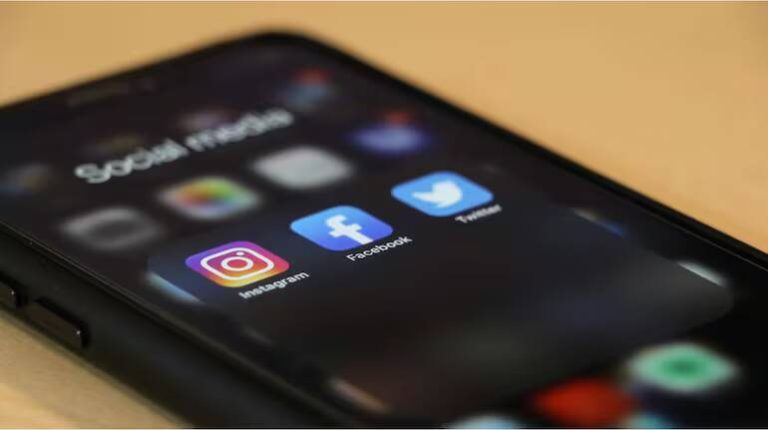
The world of social media has become an integral part of our daily lives, and its impact on children has been a topic of concern for parents, educators, and policymakers alike. In a bid to mitigate the negative effects of social media on minors, the Goa government is considering implementing a law that bans social media for children below the age of 16, similar to the one in Australia. This move is aimed at reducing the distractions and potential harm that social media can cause to young minds.
According to Tourism and Information Technology (IT) Minister Rohan Khaunte, the government has been receiving numerous complaints from parents regarding the excessive use of social media by their children. “We’ve had a lot of complaints from parents…social media and some of these platforms are becoming a distraction for children,” Khaunte stated. This concern is not unique to Goa, as Andhra Pradesh is also considering a similar ban, highlighting the growing awareness about the need to regulate social media usage among children.
The proposed ban is inspired by Australia’s law, which has been successful in reducing the amount of time children spend on social media. The Australian government has implemented various measures to protect children from the potential harms of social media, including cyberbullying, online harassment, and exposure to explicit content. By following suit, the Goa government aims to create a safer online environment for its young citizens.
The idea of banning social media for children under 16 may seem drastic to some, but it is essential to consider the potential benefits of such a move. Social media can be a significant distraction for children, affecting their academic performance, social skills, and mental health. Excessive social media usage has been linked to increased rates of depression, anxiety, and loneliness among children. By limiting their access to social media, the government hopes to promote healthier habits and reduce the risk of these negative outcomes.
Moreover, social media platforms are designed to be highly engaging, using algorithms that keep users hooked for extended periods. This can lead to a decrease in physical activity, outdoor play, and face-to-face interactions, all of which are essential for a child’s overall development. By banning social media for children under 16, the government can encourage them to engage in more productive and creative activities, such as sports, reading, or arts and crafts.
Another significant concern is the potential for online harassment and cyberbullying. Social media platforms can be breeding grounds for bullying, with children often being the most vulnerable targets. By limiting their access to social media, the government can reduce the risk of children being exposed to such harmful behavior.
However, it is also important to consider the potential challenges and drawbacks of implementing such a ban. Social media is an integral part of modern life, and completely banning it for children under 16 may not be practical or effective. Many children use social media for educational purposes, such as research, online learning, or staying in touch with friends and family who live far away. A complete ban could potentially deprive them of these benefits.
Furthermore, enforcing such a ban could be difficult, as children may find ways to access social media through various means, such as using fake profiles or accessing platforms through friends or family members. The government would need to develop effective mechanisms to monitor and regulate social media usage among children, which could be a complex and resource-intensive task.
In conclusion, the Goa government’s consideration of an Australia-like social media ban for children under 16 is a step in the right direction. While there are potential challenges and drawbacks to such a move, the benefits of reducing distractions, promoting healthier habits, and protecting children from online harm cannot be ignored. As the government moves forward with this proposal, it is essential to engage with parents, educators, and experts to develop a comprehensive and effective plan that balances the need to regulate social media usage with the need to provide children with access to the benefits of technology.
The proposed ban is a testament to the growing awareness about the need to regulate social media usage among children. As Andhra Pradesh and other states consider similar measures, it is clear that this is a concern that transcends regional boundaries. The Indian government must take a proactive approach to addressing the potential harms of social media and work towards creating a safer online environment for all citizens, particularly children.
For more information, visit: https://www.moneycontrol.com/news/india/goa-likely-to-bar-children-under-16-from-social-media-it-dept-studies-australia-law-13791276.html/amp
About the Author