Nagaland University discovers new plant species in state
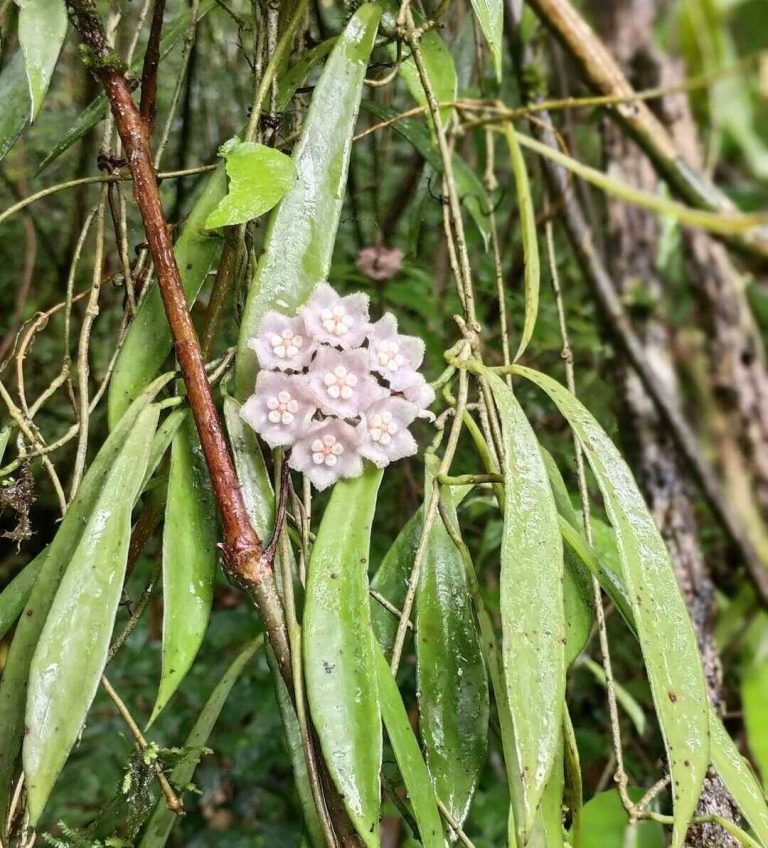
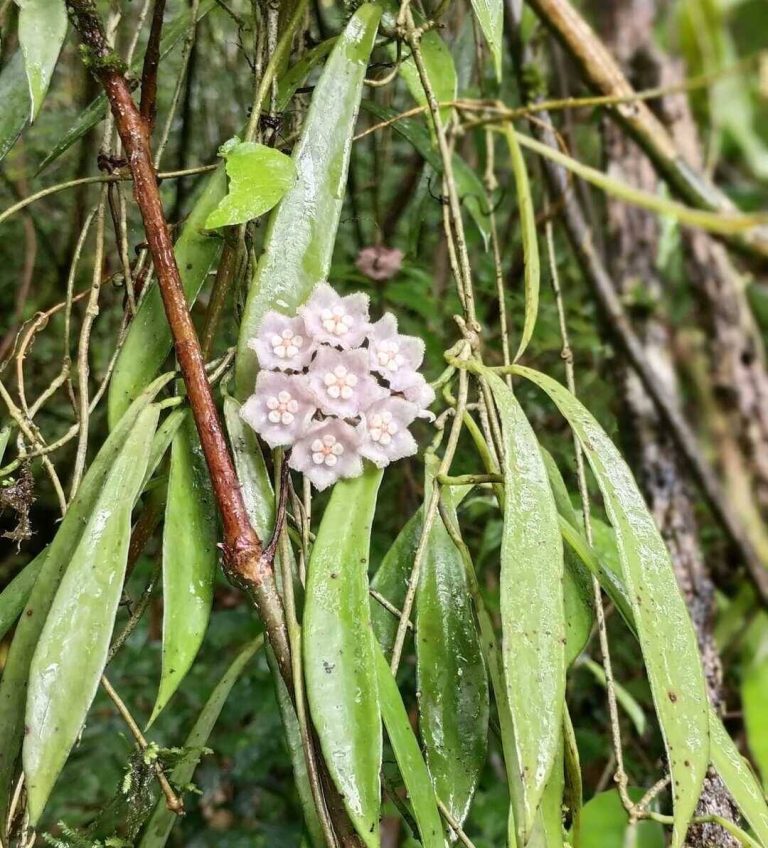
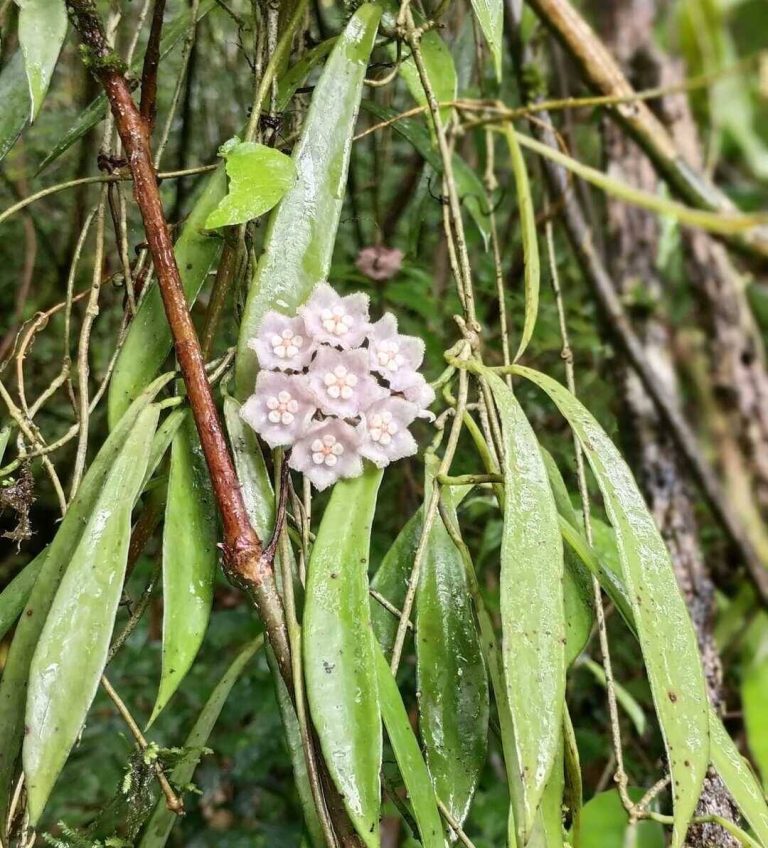
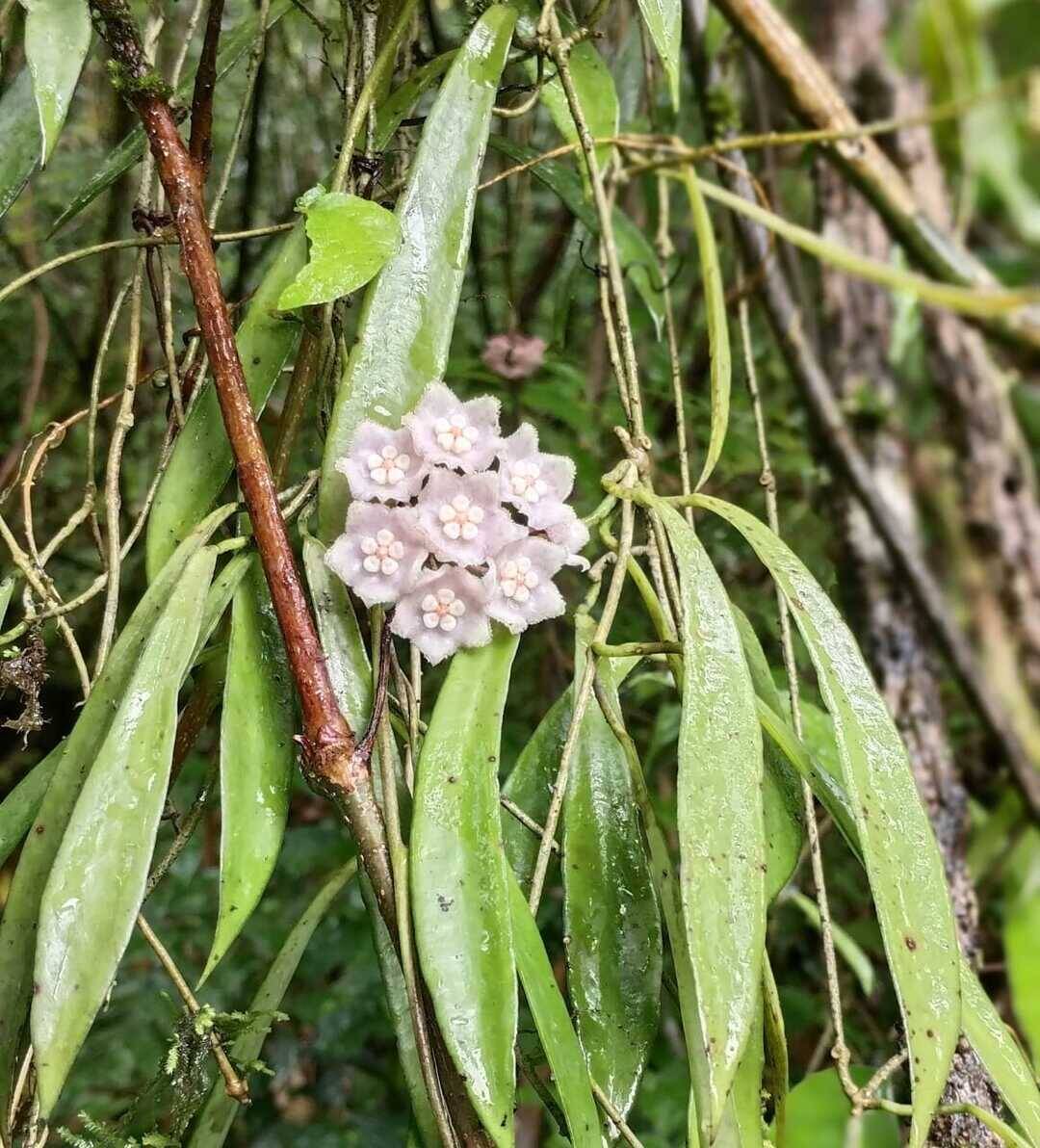
In a groundbreaking discovery, scientists from Nagaland University have identified a new plant species, Hoya nagaensis, in the community-protected high-altitude forests of Nagaland. The discovery was made in the Phek district of the state, and the species has been provisionally listed as Critically Endangered. This finding highlights the rich but under-explored biodiversity of the region and underscores the importance of indigenous forest conservation practices.
The discovery of Hoya nagaensis is a significant addition to the botanical world, and it has sparked excitement among scientists and conservationists. The new species belongs to the genus Hoya, which is a group of flowering plants commonly known as waxflowers or porcelain flowers. The genus is known for its diverse range of species, with over 200 species found in tropical and subtropical regions of the world.
The Hoya nagaensis is a unique species that is adapted to the high-altitude forests of Nagaland. It has distinct morphological characteristics, including its leaf shape, flower structure, and growth habit. The plant is a climber, and it produces small, white flowers that are highly fragrant. The species is found in the community-protected forests of Phek district, which are known for their rich biodiversity and conservation value.
The discovery of Hoya nagaensis is a testament to the rich biodiversity of Nagaland. The state is home to a wide range of flora and fauna, including many endemic species that are found nowhere else in the world. The high-altitude forests of Nagaland are particularly rich in biodiversity, with many species of plants and animals that are adapted to the unique conditions of the region.
The community-protected forests of Nagaland play a crucial role in conserving the state’s biodiversity. These forests are managed and protected by local communities, who have a deep understanding of the forest ecosystem and its importance. The community-protected forests are not only important for biodiversity conservation but also provide livelihoods for local people, who depend on the forests for their daily needs.
The discovery of Hoya nagaensis highlights the importance of indigenous forest conservation practices. The community-protected forests of Nagaland are a shining example of how local communities can come together to protect and conserve their natural resources. The forests are managed using traditional practices and knowledge, which have been passed down through generations.
The provisional listing of Hoya nagaensis as Critically Endangered is a cause for concern. The species is found in a limited range, and its population is small and fragmented. The main threat to the species is habitat loss and degradation, which is driven by deforestation and land conversion. Climate change is also a major threat, as it alters the delicate balance of the forest ecosystem and makes it difficult for the species to adapt.
The discovery of Hoya nagaensis is a call to action for conservationists and policymakers. The species requires immediate attention and protection to ensure its survival. The Nagaland University and other research institutions can play a crucial role in studying the species and its habitat, and in developing conservation strategies to protect it.
The government of Nagaland and other stakeholders can also support conservation efforts by providing funding and resources. The community-protected forests of Nagaland can be strengthened and expanded, and local communities can be empowered to continue their conservation work.
In conclusion, the discovery of Hoya nagaensis is a significant breakthrough that highlights the rich biodiversity of Nagaland. The species is a unique addition to the botanical world, and its conservation is crucial to maintaining the health of the forest ecosystem. The community-protected forests of Nagaland are a model for conservation, and they demonstrate the importance of indigenous forest conservation practices.
As we move forward, it is essential to prioritize the conservation of Hoya nagaensis and its habitat. This will require a collaborative effort from scientists, conservationists, policymakers, and local communities. Together, we can ensure the long-term survival of this unique species and protect the rich biodiversity of Nagaland.
The discovery of Hoya nagaensis is a reminder of the importance of exploring and conserving the natural world. There are many more species waiting to be discovered, and each one has the potential to inspire wonder and awe. As we continue to explore and learn about the natural world, we must also take action to protect it.
The conservation of Hoya nagaensis is not just about protecting a single species; it is about preserving the delicate balance of the forest ecosystem. The species is an integral part of the web of life, and its loss could have far-reaching consequences. By protecting Hoya nagaensis, we are also protecting the many other species that depend on it, and the ecosystem as a whole.
In the end, the discovery of Hoya nagaensis is a celebration of the natural world and its many wonders. It is a reminder of the importance of conservation and the need to protect the rich biodiversity of our planet. As we move forward, let us prioritize the conservation of this unique species and its habitat, and let us work together to protect the natural world for future generations.
About the Author