Goa considering Aus-like social media ban for children under 16
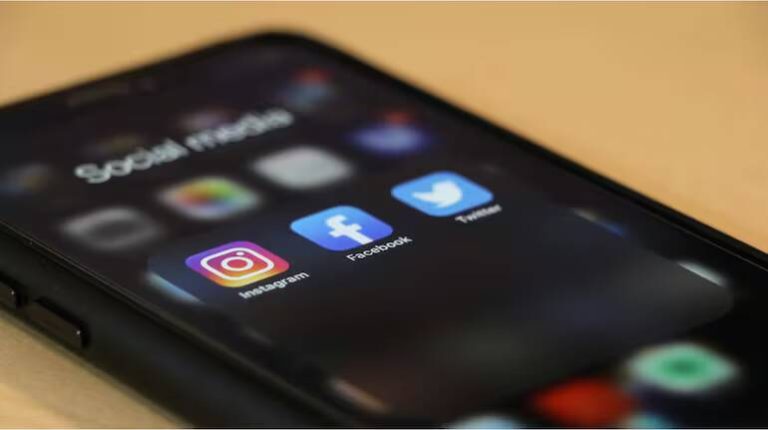
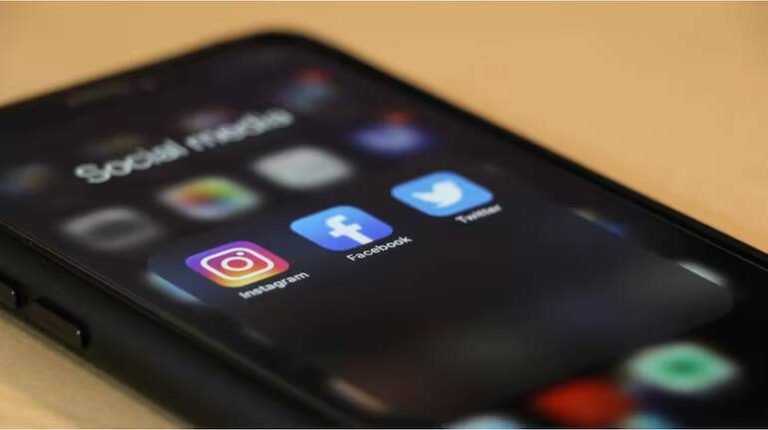
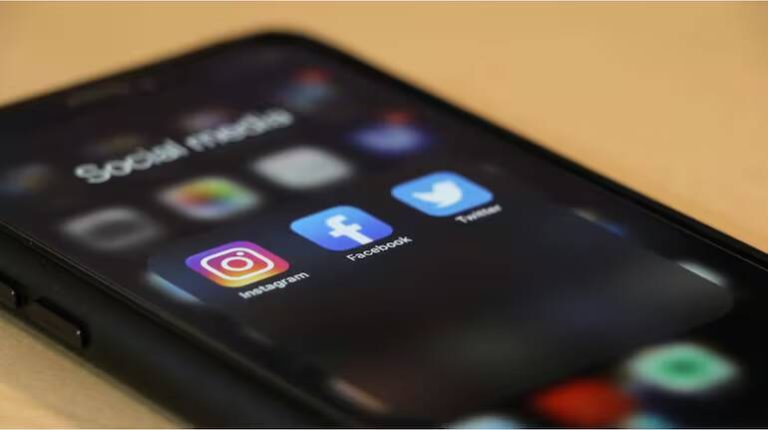
In a move that could have significant implications for the way children interact with social media, the Goa government is considering implementing a ban on social media use for children under the age of 16. This proposed ban is inspired by a similar law in Australia and has been announced by Tourism and Information Technology (IT) Minister Rohan Khaunte. According to Khaunte, the government has been receiving numerous complaints from parents about the negative impact of social media on their children.
“We’ve had a lot of complaints from parents…social media and some of these platforms are becoming a distraction for children,” Khaunte stated. This sentiment is likely to resonate with many parents who have concerns about the amount of time their children spend on social media and the potential risks associated with it. The proposed ban is aimed at protecting children from the potential harms of social media, including cyberbullying, online harassment, and exposure to inappropriate content.
The idea of banning social media for children under 16 is not new, and several countries have already implemented or proposed similar laws. In Australia, for example, there are laws in place that restrict children’s access to social media and other online platforms. The Australian government has implemented a range of measures to protect children online, including age verification requirements and restrictions on the collection of personal data from children.
In India, Andhra Pradesh is also considering a similar ban on social media for children under 16. This move is part of a broader effort to regulate social media and protect children from its potential harms. The proposed ban in Goa is likely to be watched closely by other states in India, and could potentially inspire similar laws elsewhere in the country.
The proposed ban in Goa has sparked a debate about the role of social media in children’s lives and the best way to protect them from its potential harms. While some argue that social media can be a valuable tool for children, providing them with access to information and opportunities for socialization, others believe that it can be a significant distraction and a source of harm.
One of the key challenges associated with implementing a ban on social media for children under 16 is enforcing it. Social media platforms are widely available and easily accessible, making it difficult to prevent children from using them. Additionally, many children have access to social media through their parents’ or friends’ accounts, which could make it difficult to enforce a ban.
Another challenge associated with the proposed ban is balancing the need to protect children from the potential harms of social media with the need to ensure that they have access to the benefits of social media. Social media can be a valuable tool for children, providing them with access to information, educational resources, and opportunities for socialization. A blanket ban on social media for children under 16 could potentially deprive them of these benefits, and could have unintended consequences.
To address these challenges, the Goa government will need to develop a comprehensive plan for implementing and enforcing the proposed ban. This could include working with social media companies to develop age verification measures, educating parents and children about the potential risks and benefits of social media, and providing alternative online platforms and resources for children.
In conclusion, the proposed ban on social media for children under 16 in Goa is a significant development that could have far-reaching implications for the way children interact with social media. While there are challenges associated with implementing and enforcing such a ban, it is an important step towards protecting children from the potential harms of social media. As the Goa government moves forward with its plans, it will be important to monitor the situation closely and to consider the potential impacts on children, parents, and society as a whole.
About the Author