Nagaland University discovers new plant species in state
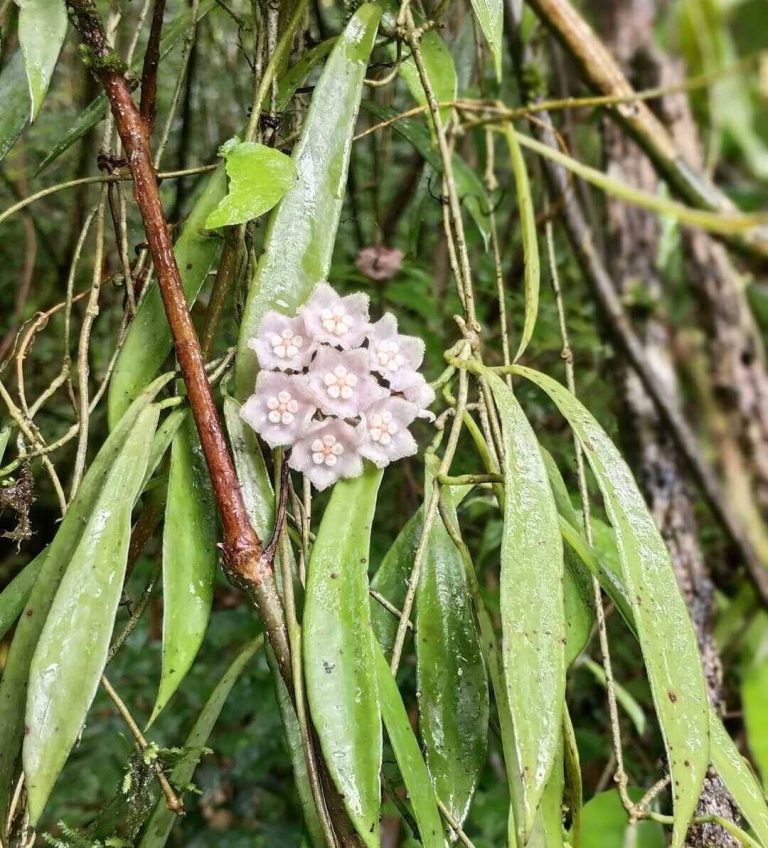
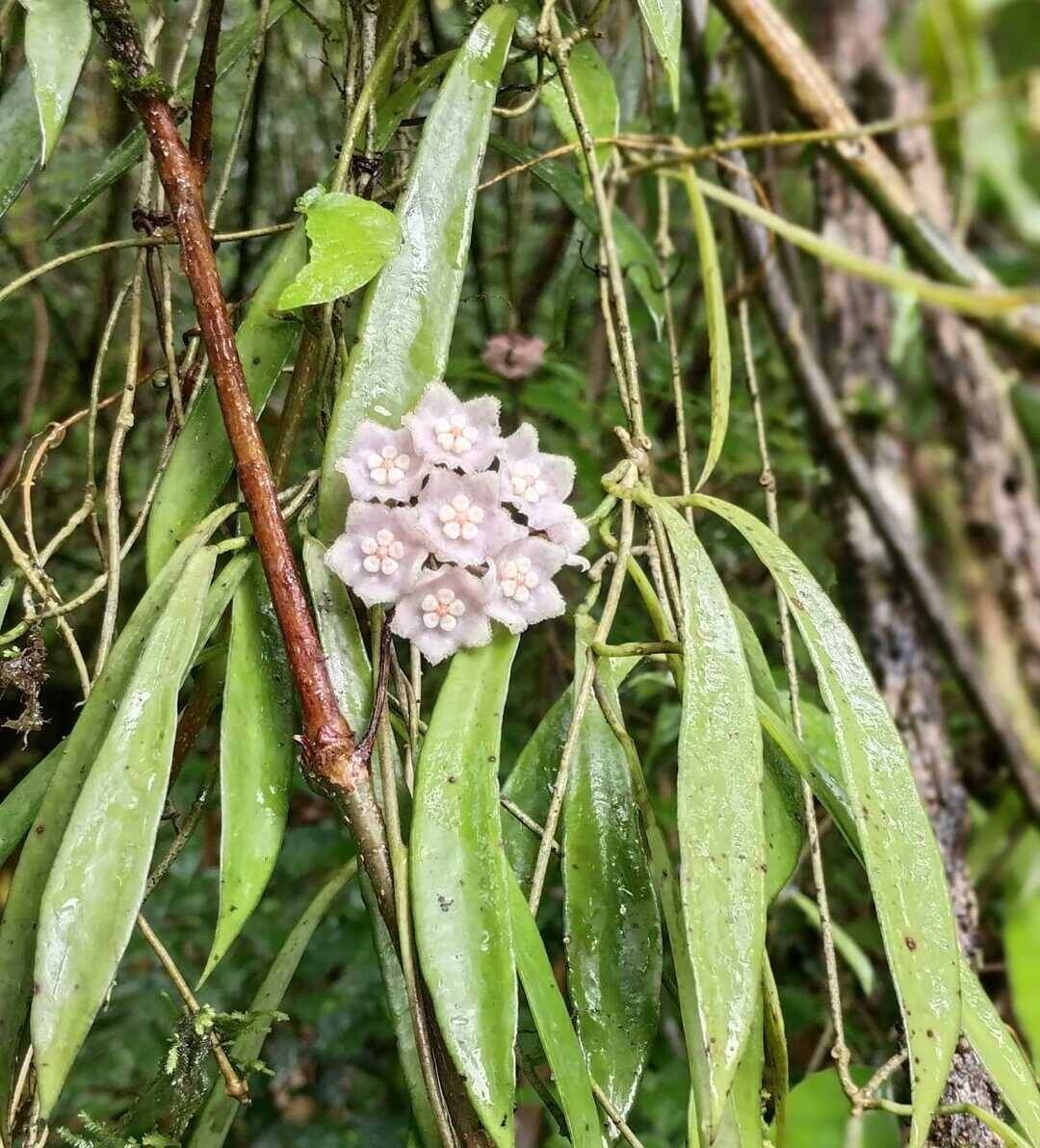
In a groundbreaking discovery, scientists from Nagaland University have identified a new plant species, Hoya nagaensis, in the community-protected high-altitude forests of Nagaland. The discovery was made in the Phek district, and the species has been provisionally listed as Critically Endangered. This remarkable finding highlights the rich but under-explored biodiversity of the region and underscores the vital role of indigenous forest conservation practices in preserving the natural heritage of Nagaland.
The discovery of Hoya nagaensis is a significant milestone in the field of botany, and it underscores the importance of exploring and documenting the unique flora of Nagaland. The state’s diverse geography, which ranges from tropical to alpine ecosystems, supports a wide range of plant species, many of which remain unknown to science. The discovery of this new species is a testament to the region’s incredible biodiversity and the need for further research and conservation efforts.
The Hoya nagaensis is a member of the Apocynaceae family, which is commonly known for its ornamental and medicinal properties. The plant is characterized by its distinctive leaves and flowers, which are unlike any other known species in the region. The discovery of this new species has sparked excitement among botanists and conservationists, who believe that it could have significant implications for the development of new medicines and other products.
The discovery of Hoya nagaensis was made possible by the collaborative efforts of scientists from Nagaland University and local community members who have been working together to conserve and protect the state’s unique biodiversity. The community-protected forests of Nagaland are a remarkable example of indigenous forest conservation practices, where local communities have been working tirelessly to protect their natural resources for generations.
The community-protected forests of Nagaland are not only important for conserving biodiversity but also play a critical role in maintaining the ecological balance of the region. These forests provide a range of ecosystem services, including soil conservation, water regulation, and climate regulation, which are essential for the well-being of both local communities and the environment.
The discovery of Hoya nagaensis highlights the importance of community-led conservation initiatives and the need for greater support and recognition of indigenous forest conservation practices. The provision of financial and technical resources to local communities can help to strengthen their conservation efforts and promote the long-term sustainability of these unique ecosystems.
The provisional listing of Hoya nagaensis as Critically Endangered is a stark reminder of the threats facing the region’s biodiversity. The main threats to the species include habitat loss and fragmentation, over-exploitation, and climate change. The destruction of habitats and the degradation of ecosystems can have severe consequences for the long-term survival of species like Hoya nagaensis, which are often found in limited ranges and are highly specialized to their environments.
To address these threats, it is essential to develop and implement effective conservation strategies that take into account the unique characteristics of the species and the ecosystem in which it is found. This may involve the establishment of protected areas, the development of sustainable land-use practices, and the promotion of community-led conservation initiatives.
In conclusion, the discovery of Hoya nagaensis is a significant milestone in the field of botany and highlights the rich but under-explored biodiversity of Nagaland. The discovery of this new species underscores the importance of community-led conservation initiatives and the need for greater support and recognition of indigenous forest conservation practices. As we move forward, it is essential to prioritize the conservation of this unique species and the ecosystem in which it is found, and to promote the long-term sustainability of the region’s incredible biodiversity.
The discovery of Hoya nagaensis is a testament to the power of collaboration and community-led conservation initiatives. By working together, we can make a positive impact on the environment and promote the long-term sustainability of unique ecosystems like the community-protected forests of Nagaland. As we celebrate this remarkable discovery, we must also recognize the importance of continued research and conservation efforts to protect the region’s incredible biodiversity for future generations.
The conservation of Hoya nagaensis and other unique species in Nagaland requires a multi-faceted approach that involves local communities, scientists, and policymakers. By working together, we can develop and implement effective conservation strategies that take into account the unique characteristics of the species and the ecosystem in which it is found. This may involve the establishment of protected areas, the development of sustainable land-use practices, and the promotion of community-led conservation initiatives.
Ultimately, the discovery of Hoya nagaensis is a reminder of the incredible biodiversity that exists in Nagaland and the importance of preserving it for future generations. By prioritizing conservation and sustainability, we can promote the long-term health of the environment and the well-being of local communities. As we look to the future, it is essential to recognize the importance of community-led conservation initiatives and the need for greater support and recognition of indigenous forest conservation practices.
About the Author