Hyundai Stock Falls 4% After Trump Imposes 25% Tariff on S-Korea
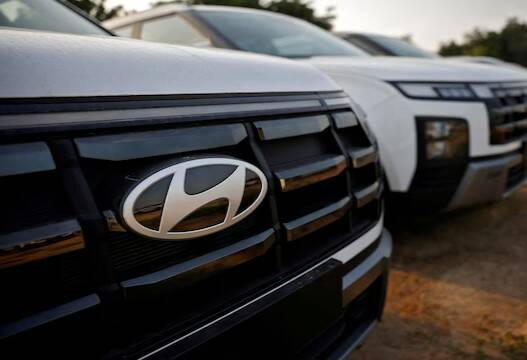
The shares of Hyundai, one of the biggest automobile companies in South Korea, saw a sharp decline on Tuesday, as it fell as much as 4.77% on Tuesday, according to CNBC TV18. This came after Donald Trump imposed a 25% tariff on the Southeast Asian country. Hyundai’s subsidiary Kia dropped nearly 3.5%, and the affiliated Hyundai Mobis was down 5%. The sudden decline in the stock prices of these major automobile companies has sent shockwaves throughout the industry, leaving investors and analysts wondering about the potential impact of the tariffs on the South Korean economy.
The tariffs imposed by the Trump administration are part of a broader effort to renegotiate trade agreements with various countries, including South Korea. The move is aimed at reducing the trade deficit between the two countries and protecting American industries. However, the tariffs are likely to have far-reaching consequences for the South Korean economy, particularly for the automobile and pharmaceutical industries, which are among the country’s largest exporters.
Hyundai, which is one of the largest automobile manufacturers in the world, is heavily reliant on exports to the United States. The company’s vehicles are popular in the American market, and the tariffs are likely to make them more expensive for consumers. This could lead to a decline in sales, which would have a negative impact on the company’s revenue and profitability. The tariffs could also lead to higher production costs, as Hyundai may be forced to pay more for imported components and raw materials.
The impact of the tariffs on Hyundai’s subsidiary Kia is also likely to be significant. Kia is a major player in the American automobile market, and the tariffs could make its vehicles less competitive. The company’s sales could decline, which would have a negative impact on its revenue and profitability. The affiliated Hyundai Mobis, which is a leading manufacturer of automobile parts, is also likely to be affected by the tariffs. The company’s exports to the United States could decline, which would have a negative impact on its revenue and profitability.
The tariffs imposed by the Trump administration are not just limited to the automobile industry. The pharmaceutical industry is also likely to be affected, as many South Korean pharmaceutical companies export their products to the United States. The tariffs could make these products more expensive for American consumers, which could lead to a decline in sales. This could have a negative impact on the revenue and profitability of these companies, which could lead to job losses and other economic disruptions.
The South Korean government has expressed its opposition to the tariffs, and has vowed to take all necessary measures to protect its industries. The government has argued that the tariffs are unfair and could have a devastating impact on the country’s economy. The government has also urged the Trump administration to reconsider its decision and to engage in negotiations to find a mutually beneficial solution.
The impact of the tariffs on the South Korean economy is likely to be significant. The country’s exports are a major driver of its economic growth, and the tariffs could lead to a decline in exports. This could lead to a slowdown in economic growth, which could have far-reaching consequences for the country’s economy. The tariffs could also lead to higher unemployment, as companies may be forced to reduce their workforce in response to declining sales.
In conclusion, the imposition of a 25% tariff on South Korea by the Trump administration is likely to have a significant impact on the country’s economy, particularly on the automobile and pharmaceutical industries. The tariffs could lead to a decline in exports, which could have a negative impact on the revenue and profitability of companies such as Hyundai and Kia. The tariffs could also lead to higher production costs, which could make these companies less competitive in the global market. The South Korean government has expressed its opposition to the tariffs, and has vowed to take all necessary measures to protect its industries. As the situation continues to unfold, it will be important to monitor the impact of the tariffs on the South Korean economy and to assess the effectiveness of the government’s response.
About the Author