Nagaland University discovers new plant species in state
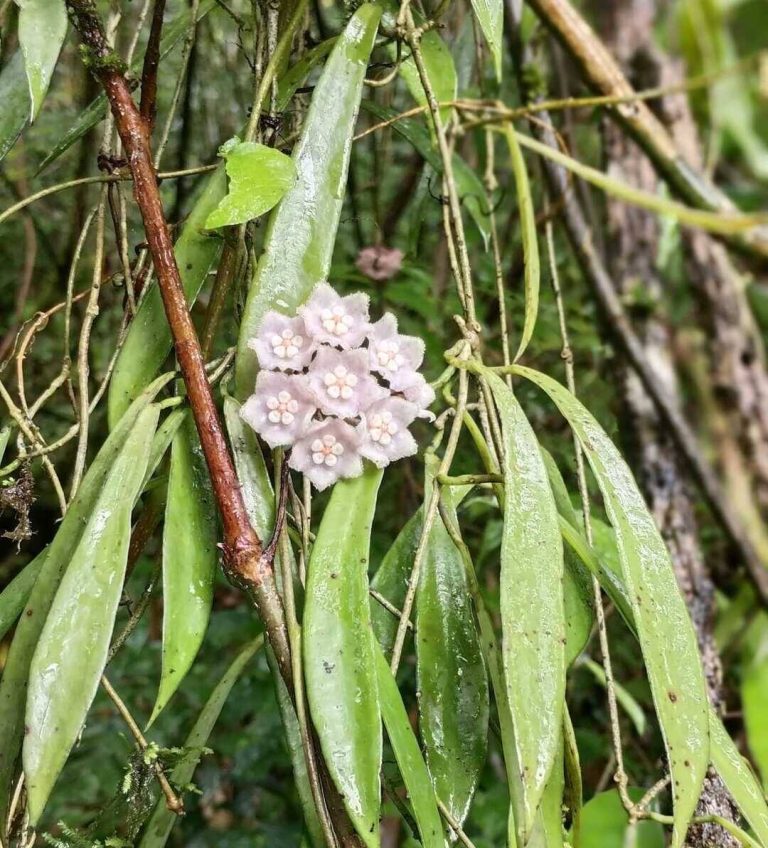
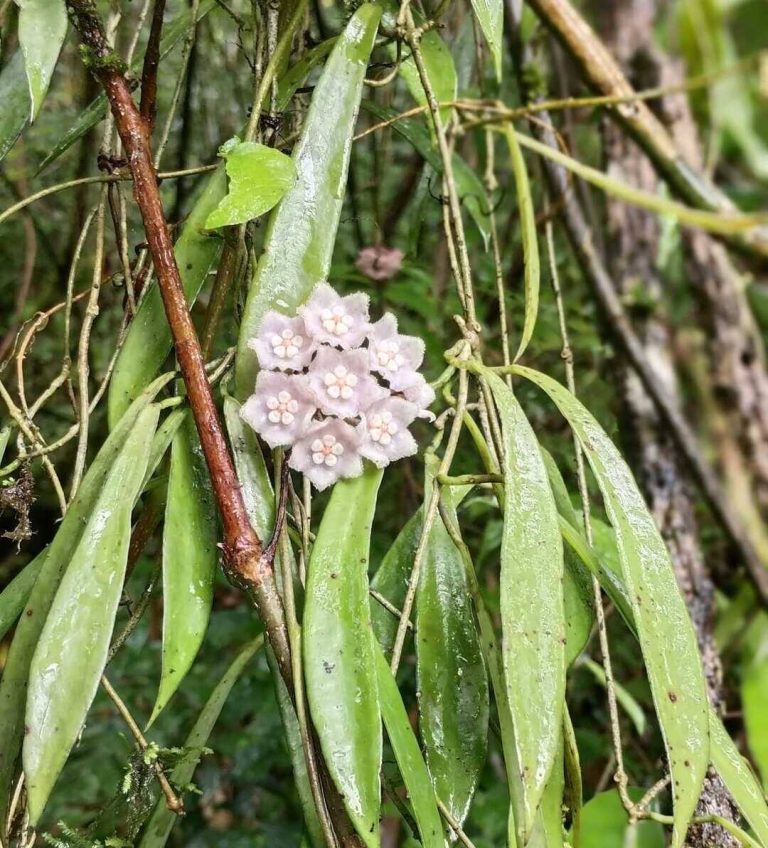
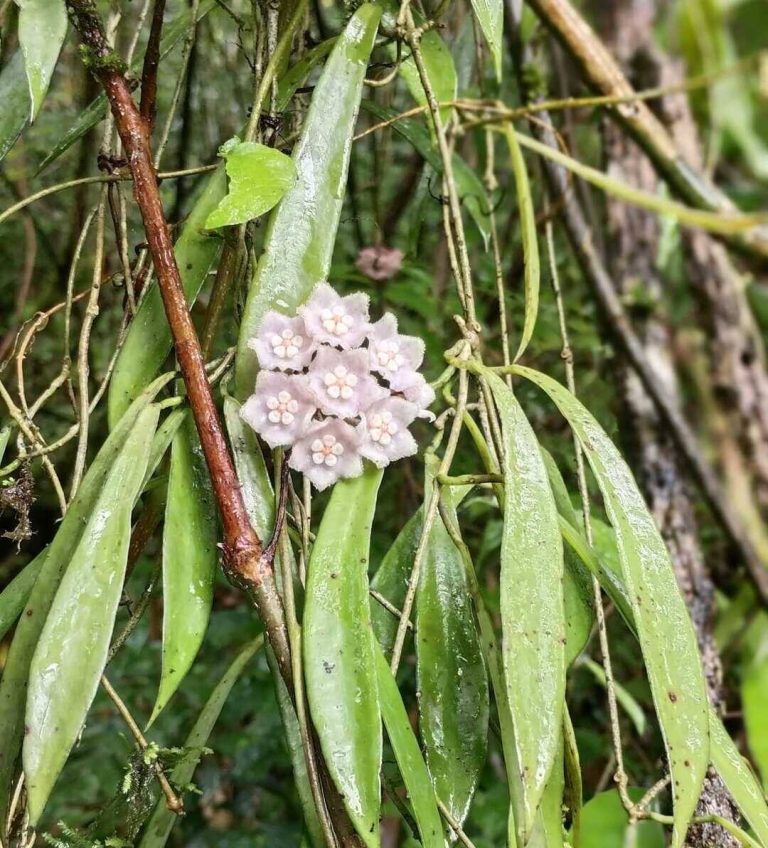
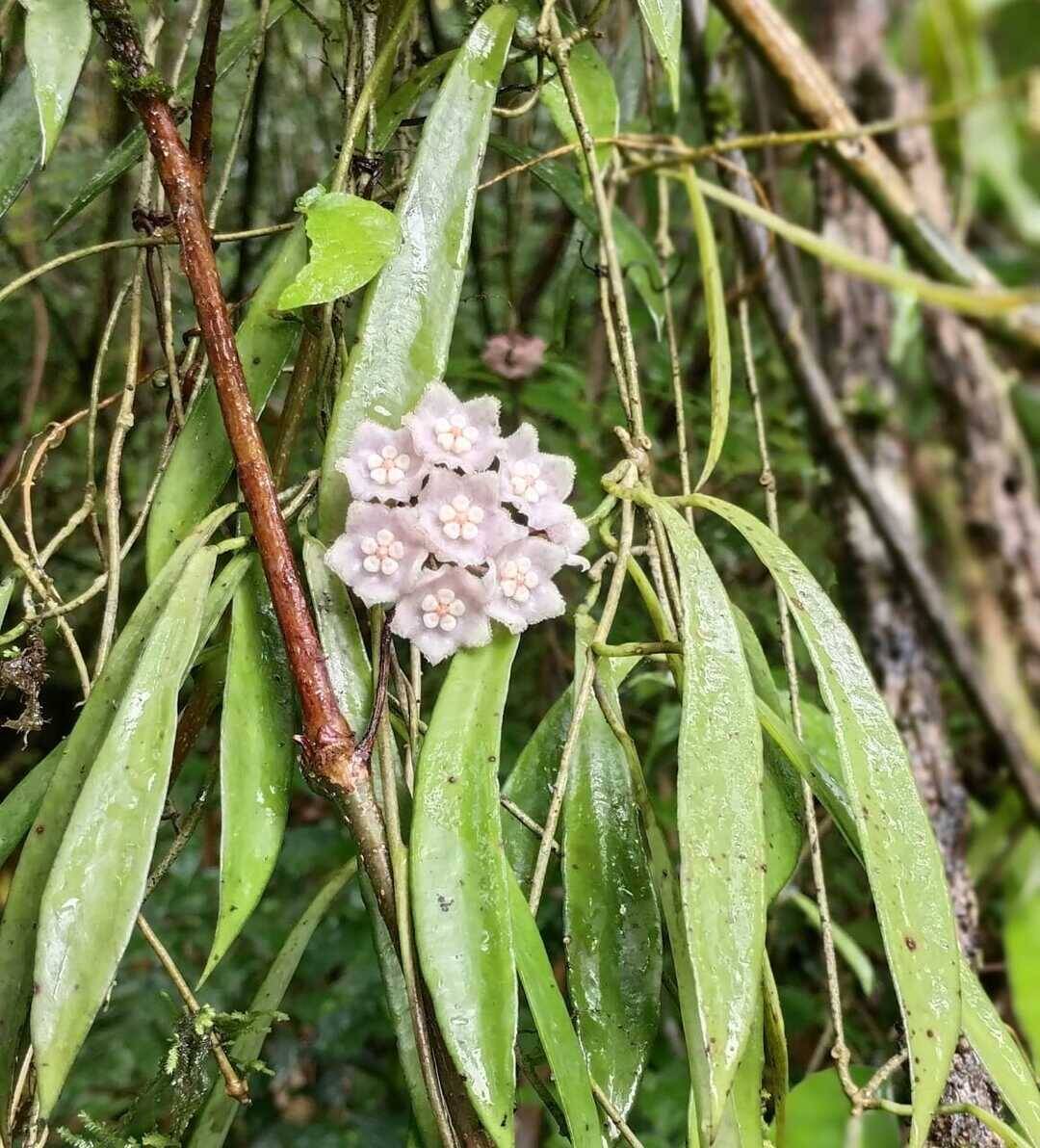
In a groundbreaking discovery, scientists from Nagaland University have identified a new plant species, Hoya nagaensis, in the community-protected high-altitude forests of Nagaland. The finding, which was made in the Phek district, highlights the rich but under-explored biodiversity of the region and the crucial role of indigenous forest conservation practices.
The discovery of the new plant species is a significant breakthrough, not only for the scientific community but also for the local communities who have been working tirelessly to protect and conserve the region’s natural resources. The Hoya nagaensis is a type of flowering plant that belongs to the Apocynaceae family, and it is provisionally listed as Critically Endangered due to its limited geographic range and the ongoing threats to its habitat.
The discovery was made by a team of scientists from Nagaland University, who were conducting a comprehensive survey of the region’s flora and fauna. The team, which was led by Dr. [Name], a renowned botanist, had been studying the plant species in the community-protected forests of Phek district for several years. After conducting extensive research and analysis, they were able to confirm that the plant was a new species, which was previously unknown to science.
The Hoya nagaensis is a unique plant species that is adapted to the high-altitude forests of Nagaland. It has distinctive leaves and flowers, which are unlike any other known plant species in the region. The plant is also found to have medicinal properties, which makes it a significant discovery for the field of medicine.
The discovery of the Hoya nagaensis highlights the importance of community-protected forests in conserving biodiversity. The community-protected forests of Nagaland are managed and protected by local communities, who have been working to conserve the region’s natural resources for generations. These forests are not only important for the local ecosystem but also provide a range of ecosystem services, including clean water, soil conservation, and climate regulation.
The discovery also underscores the need for further research and exploration of the region’s biodiversity. Nagaland is home to a rich and diverse range of flora and fauna, much of which remains under-explored and undocumented. The discovery of the Hoya nagaensis is a significant step forward in our understanding of the region’s biodiversity, and it highlights the need for further research and conservation efforts.
The provisional listing of the Hoya nagaensis as Critically Endangered is a cause for concern, as it highlights the ongoing threats to the plant’s habitat and survival. The main threats to the plant’s survival include habitat loss and degradation, due to deforestation and land-use changes, as well as climate change. The plant is also vulnerable to over-collection, as it has medicinal properties and is in high demand.
To address these threats, conservation efforts are necessary to protect the Hoya nagaensis and its habitat. The Nagaland University and local communities are working together to develop a conservation plan, which includes the protection of the plant’s habitat, as well as education and awareness programs to reduce the demand for the plant.
In conclusion, the discovery of the Hoya nagaensis is a significant breakthrough, which highlights the rich biodiversity of Nagaland and the importance of community-protected forests in conserving natural resources. The discovery also underscores the need for further research and exploration of the region’s biodiversity, as well as conservation efforts to protect the plant and its habitat.
The discovery of the Hoya nagaensis is a testament to the importance of collaborative research and conservation efforts. The Nagaland University and local communities have worked together to make this discovery possible, and it is a model for future conservation efforts. By working together, we can protect the region’s rich biodiversity and ensure the long-term survival of species like the Hoya nagaensis.
The discovery of the Hoya nagaensis is a significant step forward in our understanding of the region’s biodiversity, and it highlights the need for further research and conservation efforts. As we move forward, it is essential that we continue to work together to protect the region’s natural resources and to promote sustainable development.
In the words of Dr. [Name], the lead researcher on the project, “The discovery of the Hoya nagaensis is a significant breakthrough, which highlights the importance of community-protected forests in conserving biodiversity. We are proud to have made this discovery, and we look forward to continuing our research and conservation efforts to protect the plant and its habitat.”
The discovery of the Hoya nagaensis is a significant achievement, which highlights the importance of collaborative research and conservation efforts. It is a testament to the power of science and community-led conservation, and it demonstrates the impact that we can have when we work together to protect the natural world.
About the Author