Hyundai Stock Falls 4% After Trump Imposes 25% Tariff on S-Korea
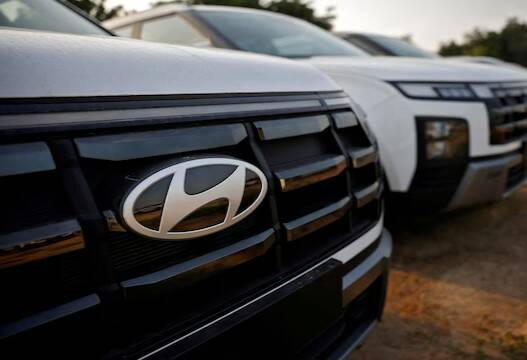
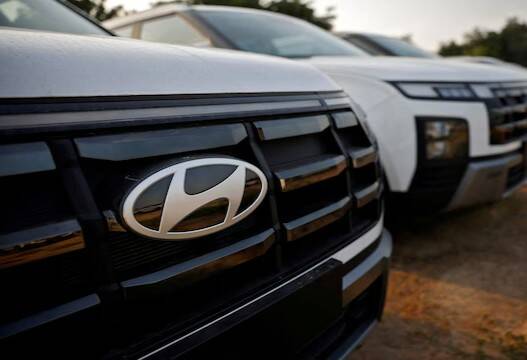
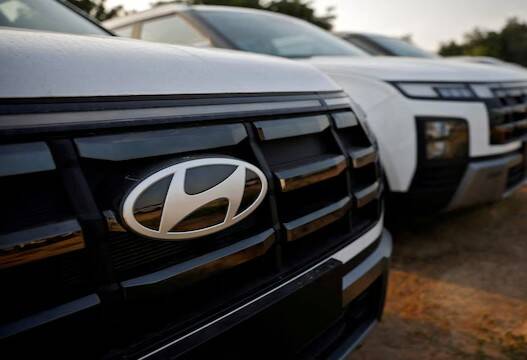
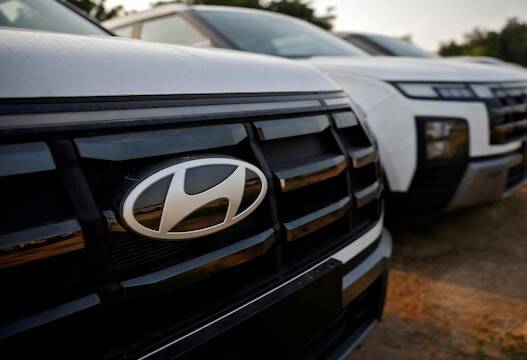
The global automotive industry has been facing numerous challenges in recent years, from shifting consumer preferences to rising trade tensions. On Tuesday, the sector faced another significant blow when the shares of Hyundai, one of the biggest automobile companies in South Korea, saw a sharp decline. According to CNBC TV18, the stock fell as much as 4.77% on Tuesday, following the imposition of a 25% tariff on the Southeast Asian country by US President Donald Trump. This move is expected to have far-reaching consequences for the South Korean auto industry, and Hyundai is likely to be one of the hardest hit.
The tariff imposition is part of a broader trade dispute between the US and South Korea, which has been escalating in recent months. The US has been seeking to renegotiate its trade agreements with several countries, including South Korea, and has been using tariffs as a tool to exert pressure. The 25% tariff on South Korean autos is likely to increase the cost of Hyundai vehicles in the US market, making them less competitive compared to American-made cars.
The impact of the tariff imposition was felt across the Hyundai group, with the company’s subsidiary Kia dropping nearly 3.5% on Tuesday. The affiliated Hyundai Mobis was also down 5%, reflecting the widespread concern among investors about the potential consequences of the tariff hike. The decline in Hyundai’s stock price is a significant setback for the company, which has been working to expand its presence in the global market.
The US is one of the largest markets for Hyundai, and the company has invested heavily in its American operations. The tariff imposition is likely to disrupt Hyundai’s business plans in the US, and could lead to a decline in sales and revenue. The company may be forced to raise prices to offset the increased cost of tariffs, which could make its vehicles less competitive in the market.
The implications of the tariff imposition go beyond Hyundai, and are likely to have a broader impact on the South Korean economy. The auto industry is one of the largest sectors in South Korea, and a decline in exports could have significant consequences for the country’s trade balance and economic growth. The South Korean government has been working to diversify its economy and reduce its dependence on exports, but the tariff imposition is likely to create new challenges.
The tariff imposition is also likely to have significant consequences for the global automotive industry. The US is one of the largest markets for autos, and a tariff hike could lead to a decline in sales and revenue for several companies. The move is also likely to escalate trade tensions between the US and other countries, leading to a rise in protectionism and a decline in global trade.
In recent years, the global automotive industry has been facing significant challenges, from shifting consumer preferences to rising trade tensions. The tariff imposition is likely to add to these challenges, and companies like Hyundai will need to adapt quickly to the changing market conditions. The company may need to consider alternative strategies, such as increasing production in the US or other countries, to offset the impact of the tariff hike.
The decline in Hyundai’s stock price is a significant setback for the company, but it is not the only challenge that the company is facing. The global automotive industry is undergoing significant changes, with the rise of electric vehicles and autonomous driving technologies. Companies like Hyundai will need to invest heavily in research and development to stay ahead of the curve, and the tariff imposition could make it more difficult for the company to achieve its goals.
In conclusion, the imposition of a 25% tariff on South Korean autos by the US is a significant blow to the country’s auto industry, and Hyundai is likely to be one of the hardest hit. The company’s stock fell as much as 4.77% on Tuesday, reflecting the widespread concern among investors about the potential consequences of the tariff hike. The implications of the tariff imposition go beyond Hyundai, and are likely to have a broader impact on the South Korean economy and the global automotive industry.
As the trade dispute between the US and South Korea continues to escalate, companies like Hyundai will need to adapt quickly to the changing market conditions. The company may need to consider alternative strategies, such as increasing production in the US or other countries, to offset the impact of the tariff hike. The decline in Hyundai’s stock price is a significant setback, but the company has the resources and the expertise to navigate the challenges ahead.
About the Author