Nagaland University discovers new plant species in state
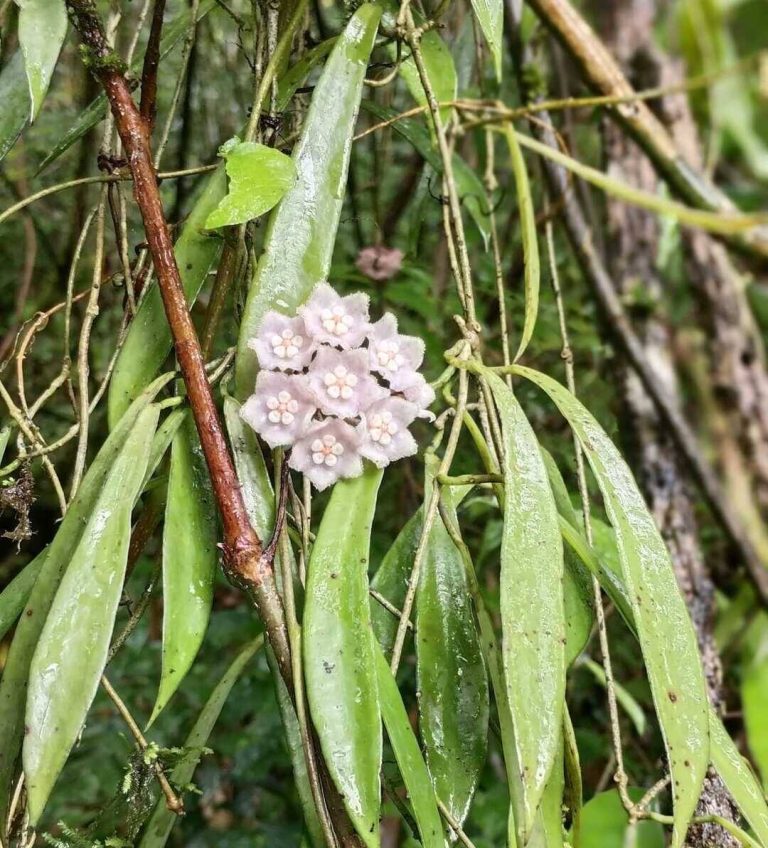
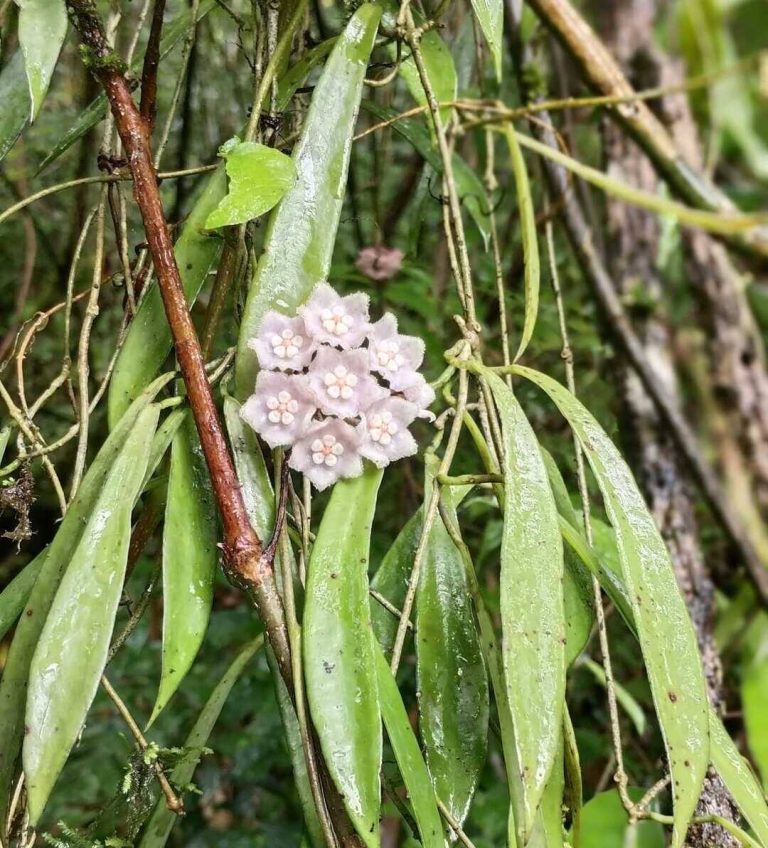
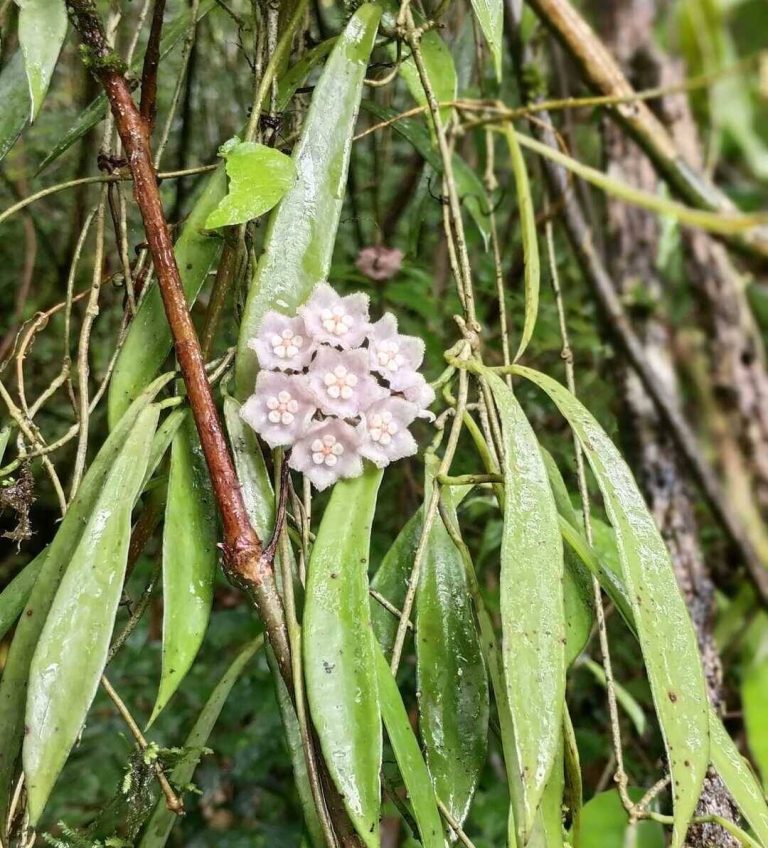
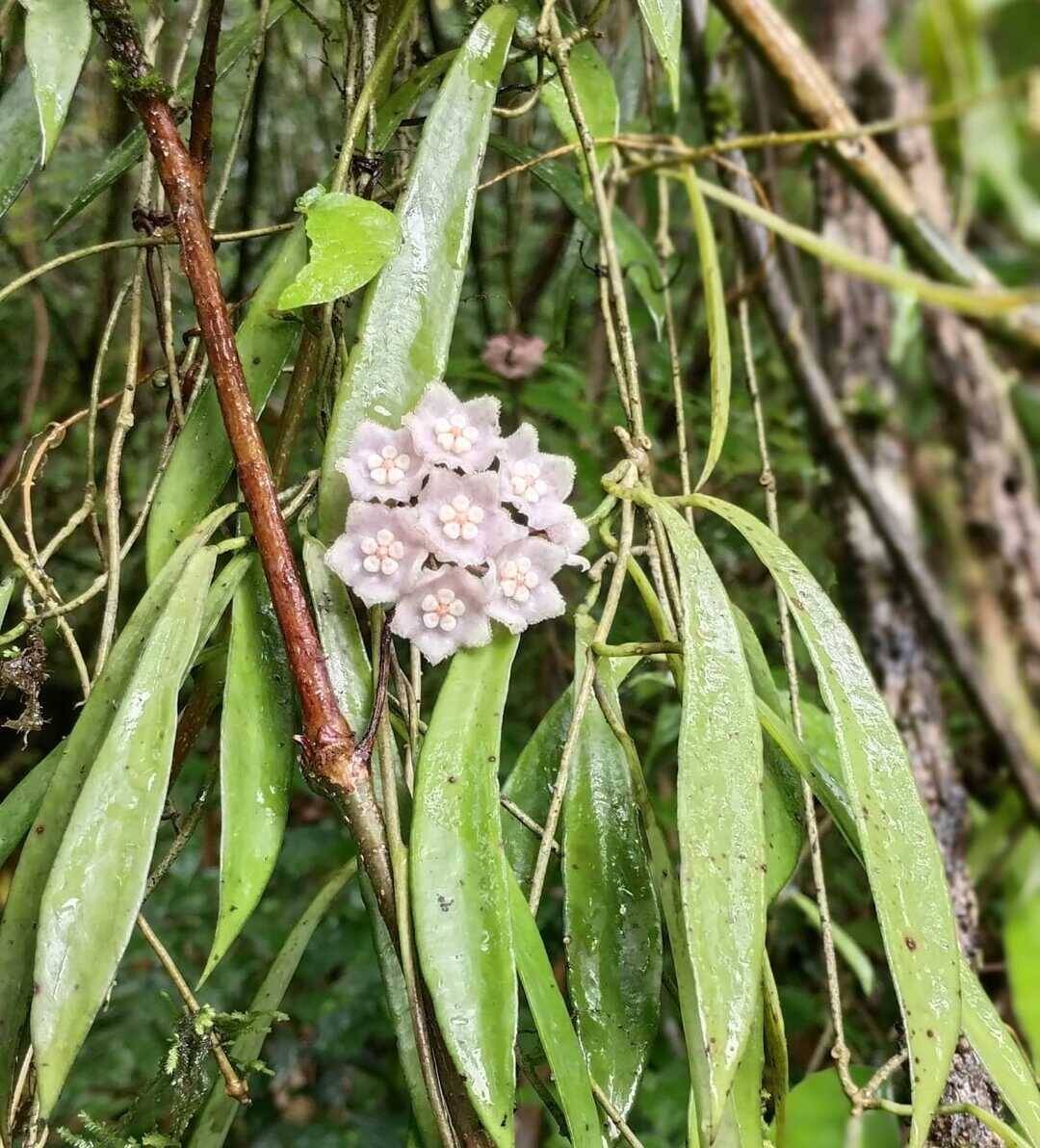
In a groundbreaking discovery, scientists from Nagaland University have identified a new plant species, Hoya nagaensis, in the community-protected high-altitude forests of Nagaland. The finding, which was made in the Phek district, highlights the rich but under-explored biodiversity of the region and underscores the importance of indigenous forest conservation practices. The newly discovered species has been provisionally listed as Critically Endangered, emphasizing the need for urgent conservation efforts to protect it.
The discovery of Hoya nagaensis is a significant milestone in the field of botany, as it sheds light on the vast and unexplored plant diversity of Nagaland. The state, located in the northeastern part of India, is known for its unique geography and climate, which support a wide range of flora and fauna. The high-altitude forests of Nagaland, in particular, are home to a diverse array of plant species, many of which remain unknown to science.
The discovery of Hoya nagaensis was made possible through the collaborative efforts of scientists from Nagaland University and local communities. The researchers conducted extensive field surveys and collected plant specimens from the community-protected forests of Phek district. The specimens were then analyzed using advanced techniques, including DNA sequencing and morphological analysis, to confirm the identity of the new species.
Hoya nagaensis is a member of the Apocynaceae family, which includes a wide range of plant species commonly known as wax flowers or porcelain flowers. The new species is characterized by its unique leaf morphology and flower structure, which distinguish it from other members of the genus. The plant is found to grow in the high-altitude forests of Phek district, where it thrives in the cool and humid climate.
The provisional listing of Hoya nagaensis as Critically Endangered highlights the urgent need for conservation efforts to protect the species. The main threats to the survival of the species include habitat loss and degradation, primarily due to deforestation and land-use changes. Climate change is also a significant threat, as it alters the delicate balance of the ecosystem and affects the distribution and abundance of plant species.
The discovery of Hoya nagaensis also underscores the importance of indigenous forest conservation practices in protecting biodiversity. The community-protected forests of Nagaland, where the new species was found, are a testament to the effectiveness of community-led conservation efforts. These forests are managed and protected by local communities, who have traditionally conserved and utilized the forest resources in a sustainable manner.
The role of indigenous communities in conserving biodiversity cannot be overstated. For centuries, local communities have lived in harmony with nature, developing traditional practices and knowledge systems that promote the conservation of natural resources. The discovery of Hoya nagaensis highlights the importance of recognizing and supporting indigenous conservation efforts, which are often overlooked in favor of more conventional conservation approaches.
The discovery of Hoya nagaensis has significant implications for conservation efforts in Nagaland and beyond. It highlights the need for increased support and recognition of community-led conservation initiatives, which are critical in protecting biodiversity hotspots. The discovery also emphasizes the importance of collaborative research efforts, which bring together scientists, local communities, and policymakers to address the complex challenges facing biodiversity conservation.
In conclusion, the discovery of Hoya nagaensis is a significant milestone in the field of botany, highlighting the rich but under-explored biodiversity of Nagaland. The provisional listing of the species as Critically Endangered emphasizes the need for urgent conservation efforts to protect it. The discovery also underscores the importance of indigenous forest conservation practices and the need for increased support and recognition of community-led conservation initiatives. As we move forward, it is essential that we prioritize the conservation of biodiversity hotspots, such as the community-protected forests of Nagaland, and recognize the critical role of local communities in protecting the natural world.
News Source: https://hubnetwork.in/nagaland-university-scientists-discover-new-plant-species-in-community-protected-forests/
About the Author